India’s civic sense: A national habit hard to break
A not-so silent struggle

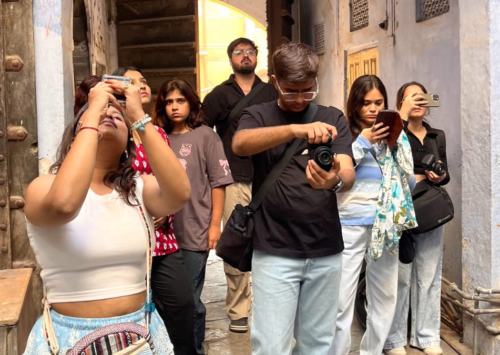
The absence of civic sense in the country has quietly eroded the quality of life in the cities (Photo: Media India Group/Sunil Yadav)
The complete absence of civic sense is widespread across India and in all forms, be it from spitting or relieving oneself on the roads, playing loud music in public, speaking loudly on telephones or pushing people around to make way for oneself.
The absence of civic sense in the country has quietly eroded the quality of life in the cities (Photo: Media India Group/Sunil Yadav)
One of the many things that are striking to foreigners visiting India is the near-total absence of civic sense displayed by people in practically every aspect of their daily routines, irrespective of the place or the socio-economic stature of the person concerned.
It is not just the visitors, but even many Indians are troubled by how widespread is the lack of civic sense.
Chetan Sharma, a professional at an MNC says that indiscipline in the country has quietly eroded the quality of life in the cities.
“India’s biggest challenge today isn’t just infrastructure, it’s civic sense. From littering and noise pollution to reckless driving and encroachment of public spaces, everyday indiscipline is quietly eroding the quality of life in our cities. Call it the famous “Chicken and Egg paradox” or lack of collaboration between the government and citizens, civic sense is a joint problem that has prevailed over many years. I think the solution is only possible when both come the government and citizens come together, be honest and work towards it- one garbage at a time, one pothole at a time,” Sharma tells Media India Group.
“Real progress will come not only from building smarter roads and cleaner systems, but from building a stronger culture of responsibility and respect for shared spaces,” he adds.
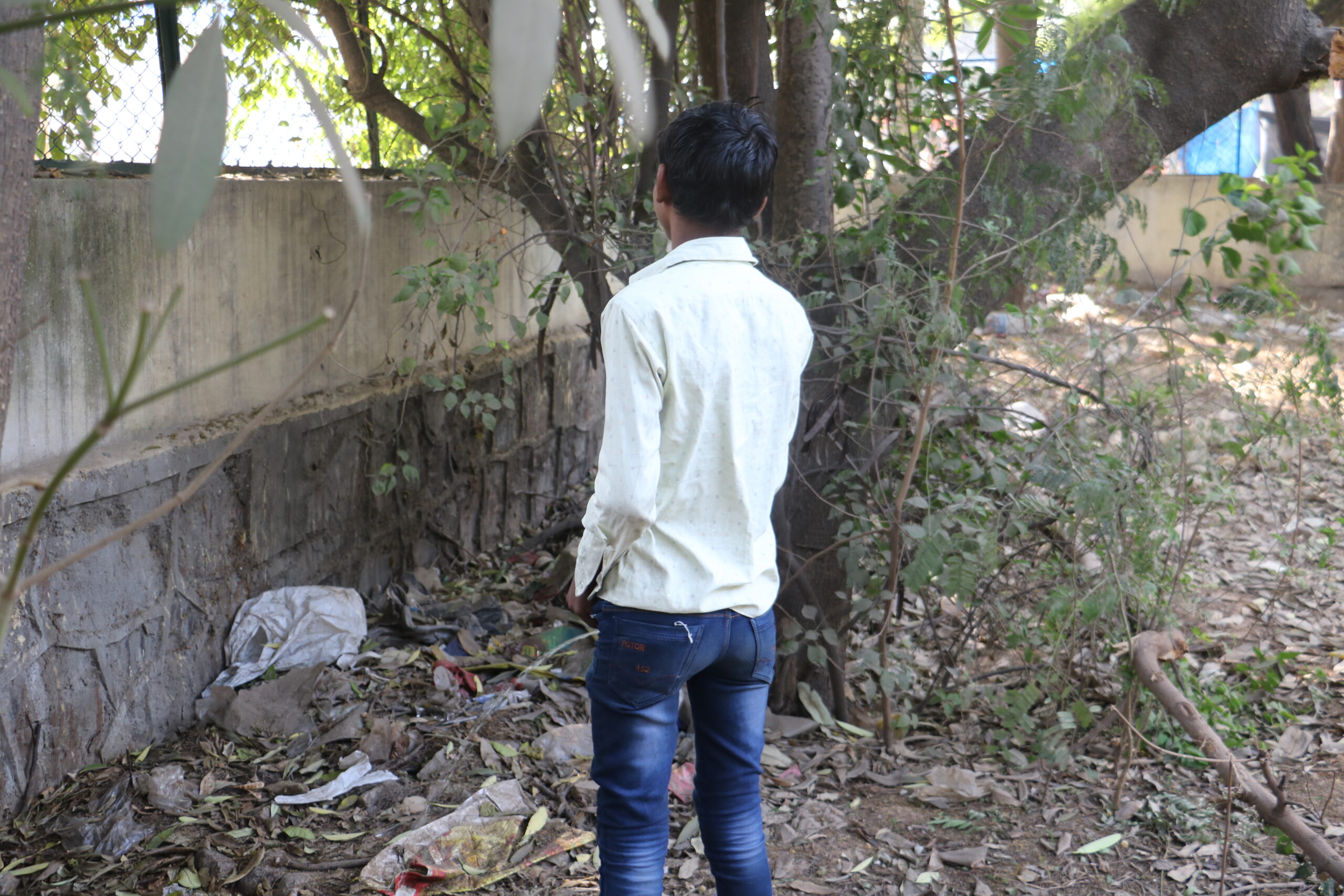
Indiscipline in the country has quietly eroded the quality of life in the cities
While the physical and social landscape of the country continues to develop at a rapid pace with growing infrastructure, and increasing population movement, the absence of civic responsibility becomes a substantial hurdle. It affects not only the quality of public life but also the efficiency of systems that are already under pressure.
If these problems were limited to rural areas, they could be attributed to a lack of education, awareness, and access to proper facilities. However, the issue extends far beyond this.
Today, even major metropolitan cities such as Bengaluru, Chennai, and Mumbai, which are centres of education, technology, and economic growth continue to struggle with basic civic discipline. This indicates that the problem is not merely infrastructural or educational, but behavioural and systemic.
One of the most visible consequences of poor civic sense in India is the condition of footpaths. Designed to provide a safe walking space for pedestrians, they are often under-maintained, encroached upon, or used for purposes other than walking. In many cities, footpaths are lined with debris, construction material, parked vehicles, hawkers, forcing pedestrians to walk on busy roads.
A report published in 2024 found that in cities like Pune, Delhi and Hyderabad, over 60 pc roads did not have footpaths. Another study revealed that only 26 pc of the existing footpaths met the norms set by the Indian Road Congress, the apex body of highway engineers in India.
Arun Ravichandran, 29, a native of Chennai residing in Delhi, says that whether in Delhi or his native town, using public walking spaces is a challenge.
“Chennai’s footpaths are extremely under-maintained, which makes it difficult to even think of going on a run. There are unofficial designated locations that we are forced to choose to run on. Littering and spitting on the footpaths makes our favourite places simply unapproachable for recreation,” Ravichandran tells Media India Group.
Another long-standing civic issue in India is the widespread practice of littering in public places. Despite the existence of waste management systems and awareness campaigns, it is still common for people to dispose of garbage on streets, empty plots, and public spaces. This problem is especially prominent in densely populated cities. And with rising population as well as higher disposable incomes, waste generation in India is also rising rapidly, without any commensurate increase in handling that waste properly.
According to a report by the Ministry of Environment, Forest and Climate Change, India is expected to generate around 165 million tonnes of waste every year from 2030, far more than the current waste management capacity of the country, where even now about 40 pc of urban waste generated ends up on streets and public spaces.
Also Read: Rising Stray Dog Crisis: A growing threat
Shubhangini Pareek, 23, a resident of Bengaluru, says though it is called the high-tech capital of India, the city’s living conditions have gone from bad to worse due to the problem of littering.
“Bengaluru’s civic sense is at a new low. Everyone has been complaining that the city has changed from a ‘garden city’ to a ‘garbage city’. We do forget that it is the citizens who have changed the city into a place like this. The daily scenario for me is just looking at people throwing garbage out of their homes,” Pareek tells Media India Group.
The mountains of garbage pose health hazards not just for humans but also it has also led to suffering of the animals. According to a news report, a team of veterinarians in Faridabad in Haryana recently extracted around 71 kg of plastic, nails and other garbage from a pregnant cow, who later died.
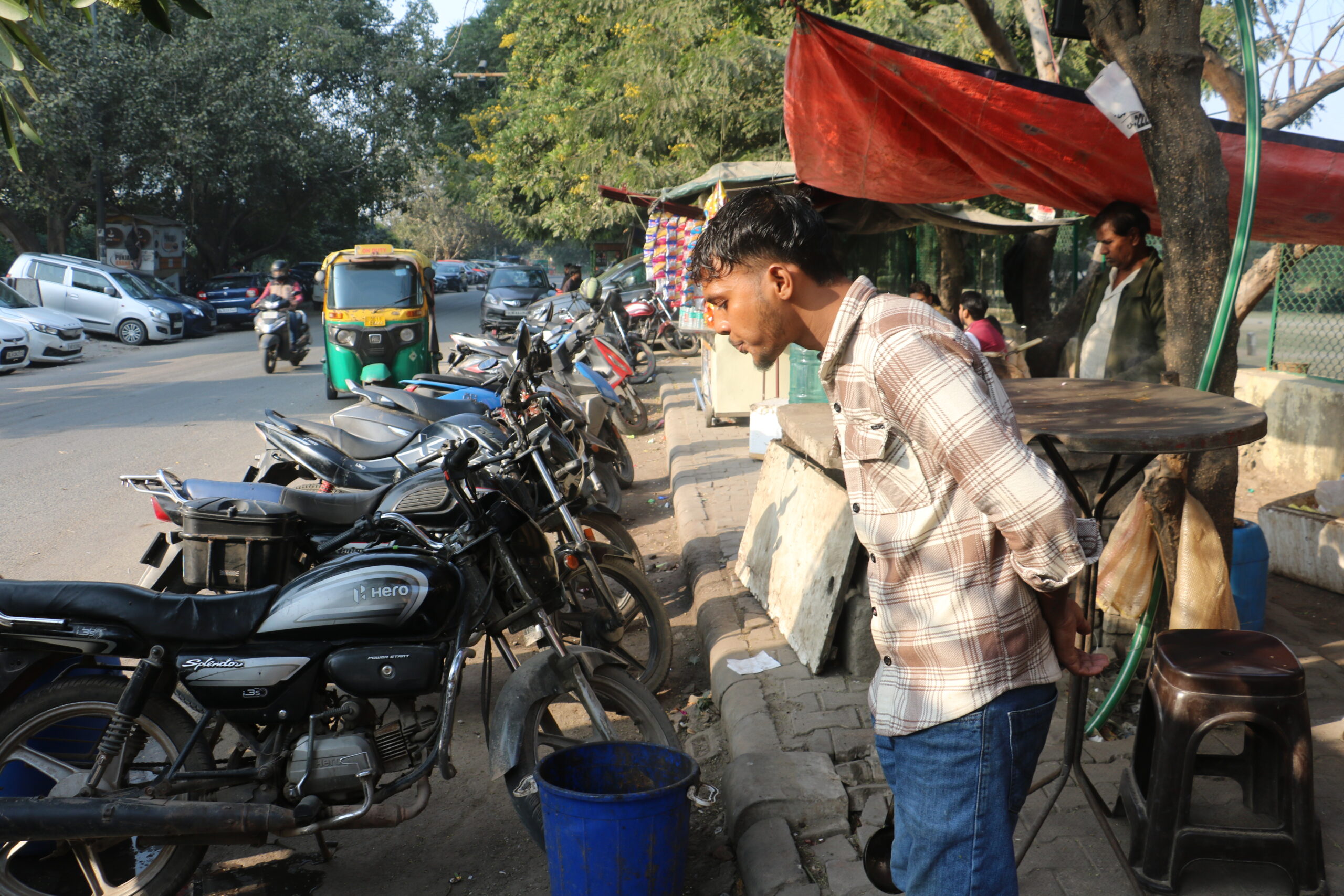
India’s civic sense has gone from bad to worse
Along with issues related to public cleanliness and infrastructure, recent videos circulating online have highlighted instances of unruly behaviour by passengers while disembarking from aeroplanes. Such videos have gained international attention and have led to mockery from people around the world.
More than at airports, the lack of civic sense in transport is visible in railways and urban transport.
Prachi Sharma, a student in Ghaziabad who frequently travels to Delhi, notes a decline in the quality of her travel experience on metro services and special trains such as the Vande Bharat.
“I was travelling by a train and everytime the train stopped at a station, I could see people on the platform trying to get in the train without letting the passengers get off the train first. It is common sense to let the passengers get down first. However, in India, we only believe in pushing people in or out of the trains, even though the halt is long enough for an orderly disembarkation and embarkation,’’ Sharma tells Media India Group.
Sharma also recalls experiences on the Delhi Metro that reflect the disregard for basic public etiquette. She describes frequent episodes of passengers shouting, pushing, or disregarding coach-specific rules.
“On days when I travel in the coach reserved for women, I often see men entering the coach. I have also seen people lying on the seats, even during peak hours. People really need to learn basic manners and display some civic sense,’’ Sharma adds.
Although for decades, various campaigns, run by governments, civil society organisations and even private companies have tried to create a sense of pride and civic responsibility amongst the masses, the worsening attitude of people in general indicates the need for penal action to bring about the much-needed change in the way Indians treat India.