Gurez Valley: Trekkers’ untouched haven in Kashmir
Remote valley, rich in nature, preserves ancient Dard-Shina culture
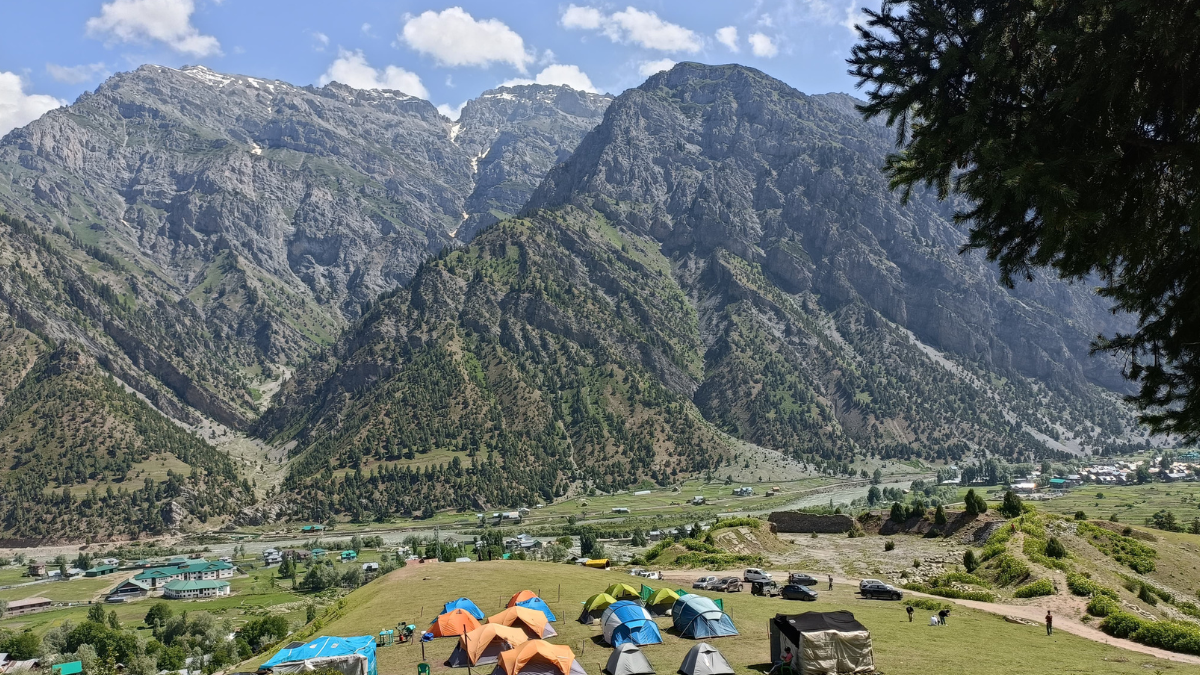
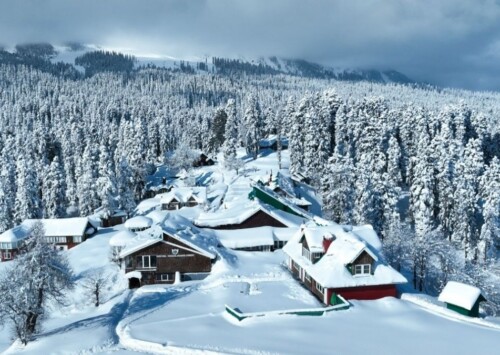
Gurez Valley is separated from the main Kashmir Valley by the imposing Himalayan mountain range (Photo: Amir Bin Rafi)
Gurez Valley remains one of the most unexplored destinations in Jammu and Kashmir, offering untouched natural beauty and a rich cultural heritage. Its remote location and rugged terrain have preserved its pristine environment and unique traditions. For travellers seeking offbeat adventures, hidden treasures like Habba Khatoon Peak, Tulail Valley and the Shina cultural villages provide authentic and peaceful experiences far from crowded tourist spots.
Gurez Valley is separated from the main Kashmir Valley by the imposing Himalayan mountain range (Photo: Amir Bin Rafi)
Tucked away in the high Himalayas of northern Kashmir, Gurez Valley, also known as Gurais locally, is one of the most captivating yet least explored Indian tourist destinations.
Known for its snow-capped peaks, the flowing Kishanganga River, and rich Dard-Shina culture, the valley offers untapped tourism treasures, including Habba Khatoon Peak, Dawar, Razdan Pass, Patalwan Lakes, Tulail Valley and Shina villages, providing a unique and peaceful Kashmiri experience.
Nestled at about 2,400 metres above sea level, this breathtaking valley of Jammu and Kashmir’s Bandipora district is approximately 123 km from the capital city of Srinagar. It is separated from the main Kashmir Valley by the imposing Himalayan mountain range with passage through the Razdan Pass. Historically, Gurez was part of ancient Dardistan, with its strategic location making it a vital trading corridor on the ancient Silk Road. It connected Kashmir with Gilgit-Baltistan and further to Kashgar in China, as well as the broader Central Asia region.
This region is the homeland and last sanctuary of the ethnic Dard-Shina tribe, one of the oldest and most culturally distinct ethnic groups in the Himalayan region, spread across Gurez in Jammu and Kashmir, Kargil in Ladakh, and Gilgit Baltistan in Pakistan-Occupied Kashmir (POK). They speak the Shina language and have rich cultural traditions that have been preserved through the centuries.
Once restricted for tourists due to its proximity to the Line of Control, Gurez is now accessible to Indian nationals carrying a valid government-issued ID, inviting travellers to discover its serene landscapes and vibrant culture. Among its numerous attractions, the following seven places are among the most hidden and unexplored sites offering unique experiences.
Habba Khatoon Peak
Named after Habba Khatoon, the 16th-century Kashmiri poetess and queen, the peak is a symbol of eternal love and cultural heritage. The pyramid-shaped Habba Khatoon Peak rises to approximately 13,000 feet and is surrounded by lush meadows and alpine forests. Visitors are drawn here not only by the natural grandeur but also by the folklore and poetic legacy associated with Kashmir’s poetess queen, who is remembered as the ‘Nightingale of Kashmir’.
The area around the peak offers gentle treks and panoramic views of the valley and the Kishanganga River. The best time to visit is during the summer, when the meadows bloom and the weather is favourable for trekking.
Dawar
Dawar is the main town and cultural hub of Gurez Valley, widely regarded as one of the must-visit places in the region. Serving as the administrative center of Gurez sub-district, Dawar offers visitors a chance to experience the vibrant daily life and authentic culture through its bustling local markets, where traditional handicrafts are available. The town is known for its warm and welcoming residents, inviting travellers to stroll through its streets and immerse themselves in the valley’s rich heritage.
The town served as a vital link to the historical Silk Route, which adds to the riches of the region’s past. The township also offers a glimpse into the customs and lifestyle of the nearby Gujjar and Bakarwal communities. Surrounded by lush green meadows and framed by the majestic Himalayan peaks, Dawar exudes a rustic charm that captures the essence of mountain life.
Razdan Pass
An important gateway into Gurez Valley, Razdan Pass is a high-altitude mountain pass known for its spectacular vistas. It connects the valley to Bandipora and broader Kashmir Valley. Trekking and road trips through the pass during summer months reward travellers with outstanding mountain scenery and wildflower carpets, while winter snows shut it off, preserving its almost mystical solitude.
Patalwan Lakes
Located in the heart of the valley, Patalwan Lakes are pristine alpine lakes nestled among untouched wilderness. These are ideal for trekking and nature photography, offering solitude amid rare Himalayan flora and fauna. The lakes are important ecological zones supporting migratory birds and diverse wildlife.
Kishanganga River
Flowing crystal-clear through the valley, the Kishanganga River is both a life-giver and a playground. The river supports trout fishing and offers opportunities for white-water rafting and riverside camping. It also has spiritual significance for local communities, who celebrate its purity and bounty.
Tulail Valley
Located beyond Dawar, Tulail Valley is one of the less accessible yet mesmerising corners of the region. It is sparsely populated and offers tranquil hikes through alpine meadows and streams. The valley remains largely untouched by mass tourism, making it an ideal destination for those seeking offbeat adventures.
Villages of Cultural Legacy
Besides Dawar and Tulail, villages such as Kanzalwan, Bagtore, Chakwali and Chorwan serve as custodians of the unique language and culture of the Dard-Shina tribe in the region. Visiting these villages allows travellers to experience age-old traditions, folk music, handicrafts, and local cuisine. The communities here have preserved their identity through sustainable living, closely connected to the land.
Each of these hidden places in Gurez Valley holds ecological, cultural, or historical significance, harmoniously blending natural beauty with the rich heritage of the Dard people. Together, they offer an authentic experience of Kashmir’s lesser-known wonders.