
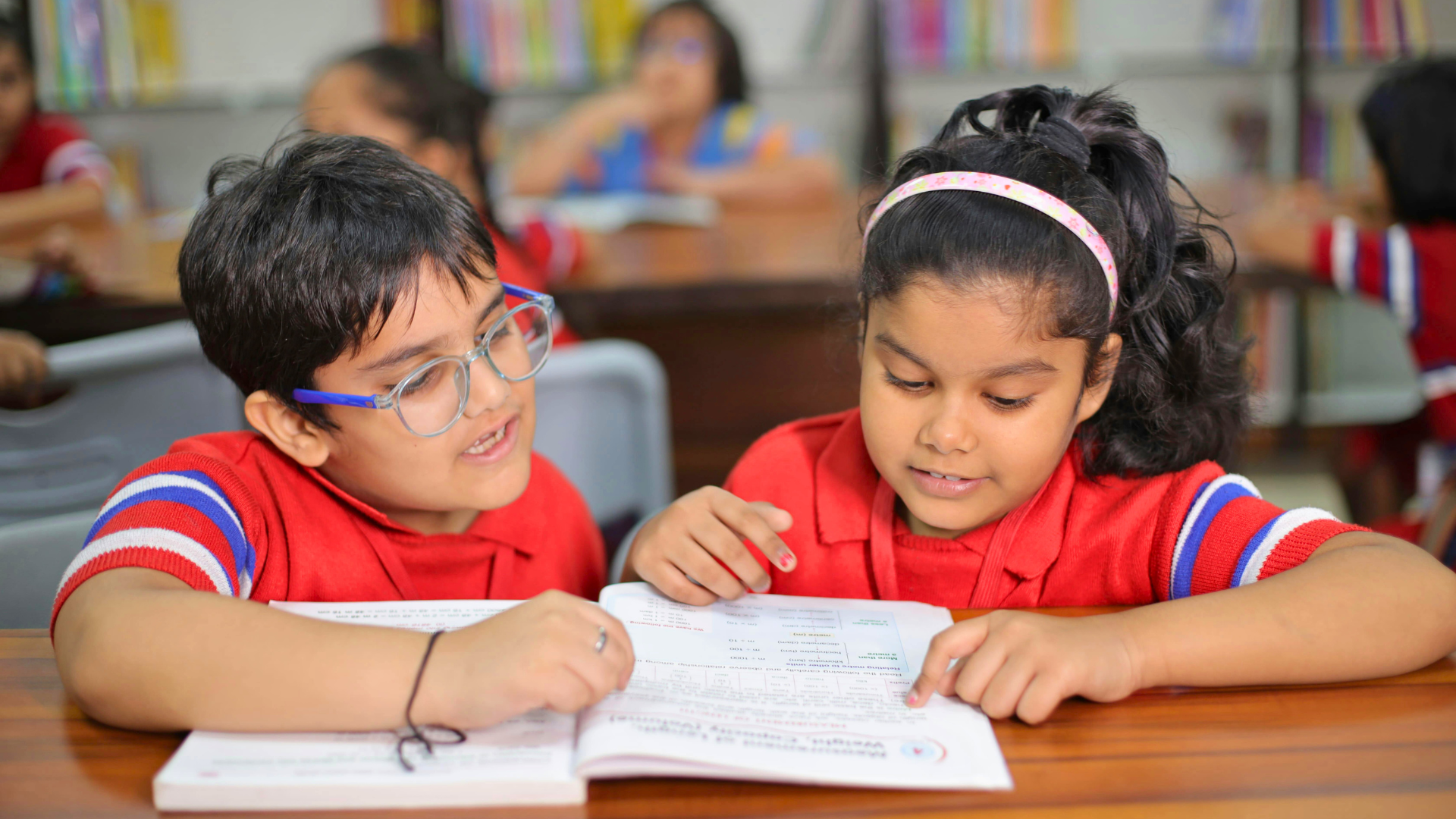
WACE promotes a skills-based, inquiry-driven curriculum that moves away from rote learning and high-pressure examinations (Photo: Canva)
Western Australian Certificate of Education (WACE) has become the first foreign government-backed school board to begin operations in India in over two decades.
Rollout is expected to begin with pilot implementation in select Indian schools from July, expanding to 100 partner institutions nationwide during the 2025–26 academic year.
The WACE programme, overseen by the School Curriculum and Standards Authority (SCSA) of Western Australia, has received equivalence recognition from the Association of Indian Universities (AIU). This recognition ensures that WACE’s Year 10 and Year 12 qualifications are valid for admission to Indian universities.
Its formal entry into the Indian education landscape follows significant moves by Australian universities such as Deakin University and the University of Wollongong, which are establishing campuses in Gujarat’s GIFT City.
Curriculum highlights
WACE promotes a skills-based, inquiry-driven curriculum that moves away from rote learning and high-pressure examinations. Students are assessed through a blend of internal coursework and external moderation.
A distinctive feature of the programme is the Australian Tertiary Admission Rank (ATAR), a globally-recognised university entrance score that enables students to apply directly to universities in Australia, the United Kingdom, the United States and other countries, often without the need for additional standardised testing.
In terms of affordability, WACE is positioned to be up to 65 pc more cost-effective than other international boards available in India, which could increase access to internationally recognised education for a wider group of students.
Other International Boards in India
India already hosts several well-established international school curricula, each with distinct academic frameworks and recognition:
International Baccalaureate (IB)
The IB is a Swiss-based curriculum offered in over 200 schools in India. It includes the Primary Years Programme (PYP), Middle Years Programme (MYP), and the Diploma Programme (DP) for senior secondary students.
The IB is known for its emphasis on global citizenship, independent research and conceptual learning.
Cambridge Assessment International Education (CAIE)
Previously known as CIE, this United Kingdom-based curriculum is popular in India under the IGCSE (International General Certificate of Secondary Education) and A-Level structure.
It is offered in over 500 schools across India and is highly regarded for its subject flexibility and international university acceptance.
Edexcel (Pearson)
Edexcel, another United Kingdom-based board, offers International GCSEs and A-Levels. It is less widespread compared to CAIE and IB but still recognised by many global universities.
Edexcel is known for its structured assessment and alignment with the UK national curriculum.
Advanced Placement (AP)
Administered by the College Board (the United States), the AP programme is not a full curriculum but offers college-level courses and exams in subjects such as Calculus, Physics and Psychology.
It is typically offered by elite international schools in India as a supplement to other curricula.
