
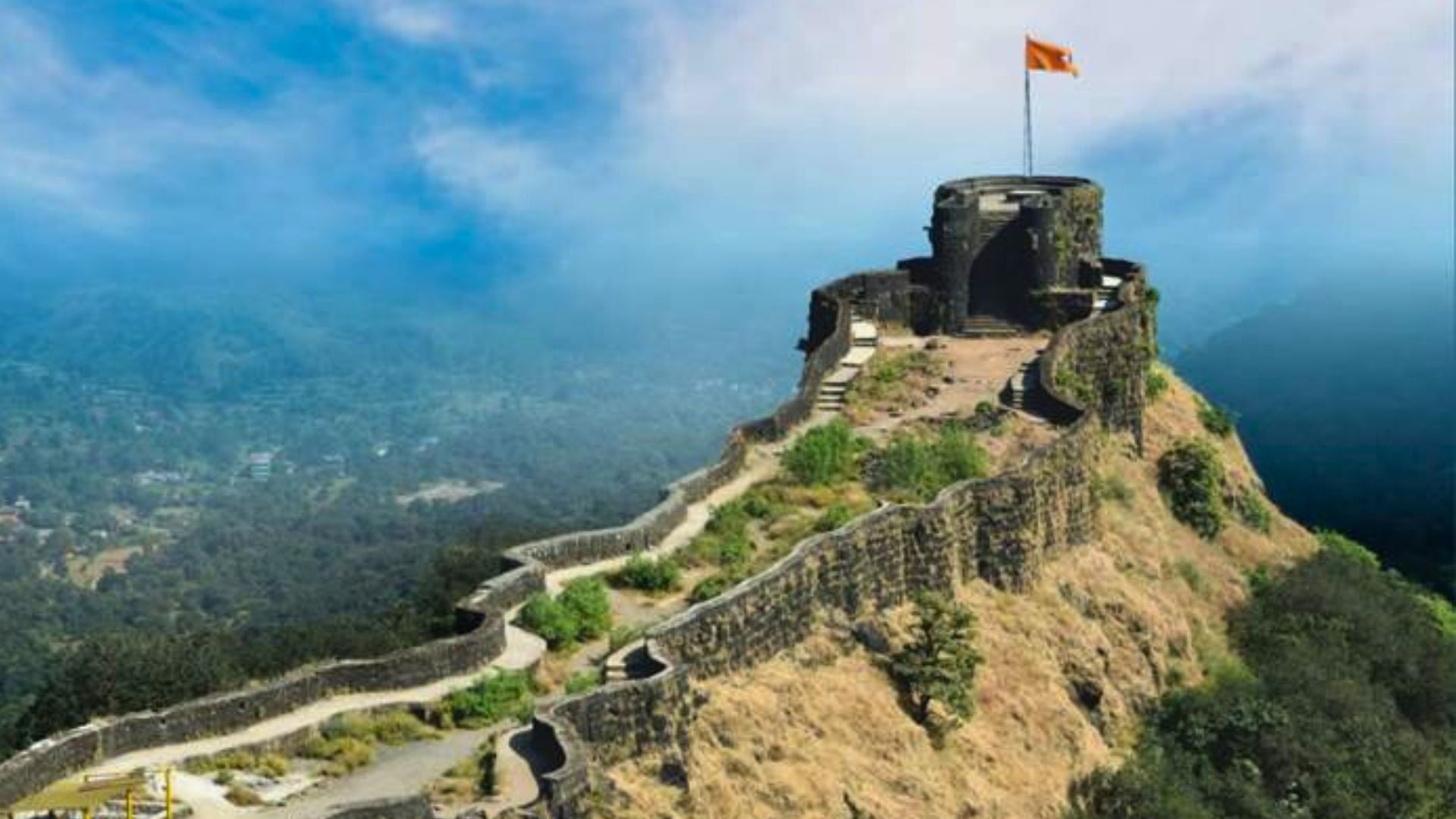
The newly designated World Heritage Site comprises 11 forts in Maharashtra and one in Tamil Nadu
The ‘Maratha Military Landscapes of India,’ a network of twelve imposing forts, have been added to the UNESCO World Heritage List in an acknowledgement of India’s rich legacy. The addition was made during the 47th session of the World Heritage Committee in Paris.
The newly designated World Heritage Site comprises 11 forts in Maharashtra and one in Tamil Nadu, each reflecting the strategic brilliance and architectural ingenuity of the Maratha Empire. The 12 forts are Salher, Shivneri, Lohagad, Khanderi, Raigad, Rajgad, Pratapgad, Suvarnadurg, Panhala, Vijaydurg, Sindhudurg (all in Maharashtra), and Gingee Fort in Tamil Nadu.
As per the experts, these forts, constructed between the 17th and 19th centuries, were envisioned by Maratha rulers as part of a fortification and military system that played a pivotal role in the region’s history.
The UNESCO citation highlights the forts’ adaptation to diverse terrains, from coastal outposts to hilltop strongholds, showcasing an understanding of geography and military defense. This network exemplifies how Maratha rulers leveraged the landscape for strategic advantage, with forts classified as hill forts, hill-forest forts, hill-plateau forts, coastal forts and island forts.
The inclusion of these forts is particularly significant as it is the first time India has achieved a serial nomination of multiple sites representing a single historical legacy. Experts note that the Maratha defense network, expanding along three axes and the concept of Swarajya (self-rule) had a lasting impact on India’s freedom movement.
