
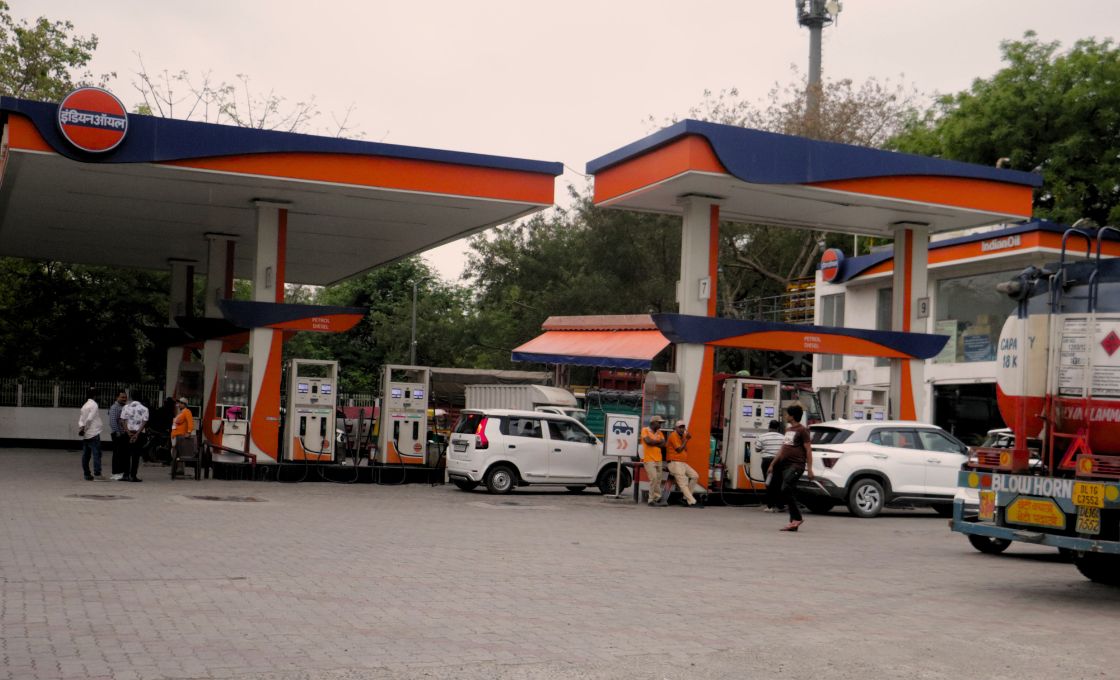
350.org’s report Out of Pocket highlights how fossil fuel dependence is adding financial strain on households and economies worldwide (Photo: MIG/Sunil Yadav)
Amid rising global concerns over energy affordability and ongoing oil price shocks, climate campaign group 350.org has launched its report Out of Pocket: How Fossil Fuels Are Draining Households and Economies, highlighting how continued dependence on fossil fuels is placing a significant financial burden on ordinary people worldwide, while benefiting major oil companies and delaying the transition to cleaner, more affordable energy systems.
In a press statement, 350.org says that the report, based on updated peer-reviewed models, reveals total support to the fossil fuel industry through direct subsidies and tax breaks, along with the wider costs of climate and health damages paid by people, estimating that this amounts to around USD 1,400 per person annually worldwide.

Bill McKibben
It adds that prolonged conflicts and market volatility have further exposed the instability of fossil fuel systems, with price spikes and supply disruptions directly impacting household budgets and economic resilience.
“As this remarkable report, the best combination of numbers and reporting on this issue I have ever seen, makes crystal clear, we have been unwise for many decades to rely on fossil fuels. That reliance has produced riches for a few and penury for far too many, almost all of us live in the grip of a system over which we have little or no control. The price spikes and supply shocks that have come with this new war are just the latest and most profound evidence of these basic truths,” says Bill McKibben, climate activist and Founder, 350.org.
Also Read: 350.org urges Asian nations to tax oil windfalls as energy costs rise
According to the statement the report launch comes ahead of the first international conference focussed on transitioning away from fossil fuels, co-hosted by the governments of Colombia and the Netherlands, where over 50 countries will gather in Santa Marta from April 24-29 to discuss how to turn political commitments into practical implementation.
The statement says that bringing together global experts including Anne Jellema, Executive Director of 350.org, Hala Kilani of REN21, Hilda Flavia Nakabuye of Fridays for Future Uganda, Jan Rosenow of Oxford University and Muhammad Mustafa Amjad of Renewables First, the event will explore how fossil fuel dependence affects affordability, peace and sustainable development, while highlighting real-world solutions driven by renewable energy.
The statement adds that the report also captures human stories from regions such as the Amazon and the Horn of Africa, illustrating how ‘fossilflation’ is impacting everyday lives, while showcasing how renewable energy solutions are already helping lower costs, improve public health and build resilient local economies.
