
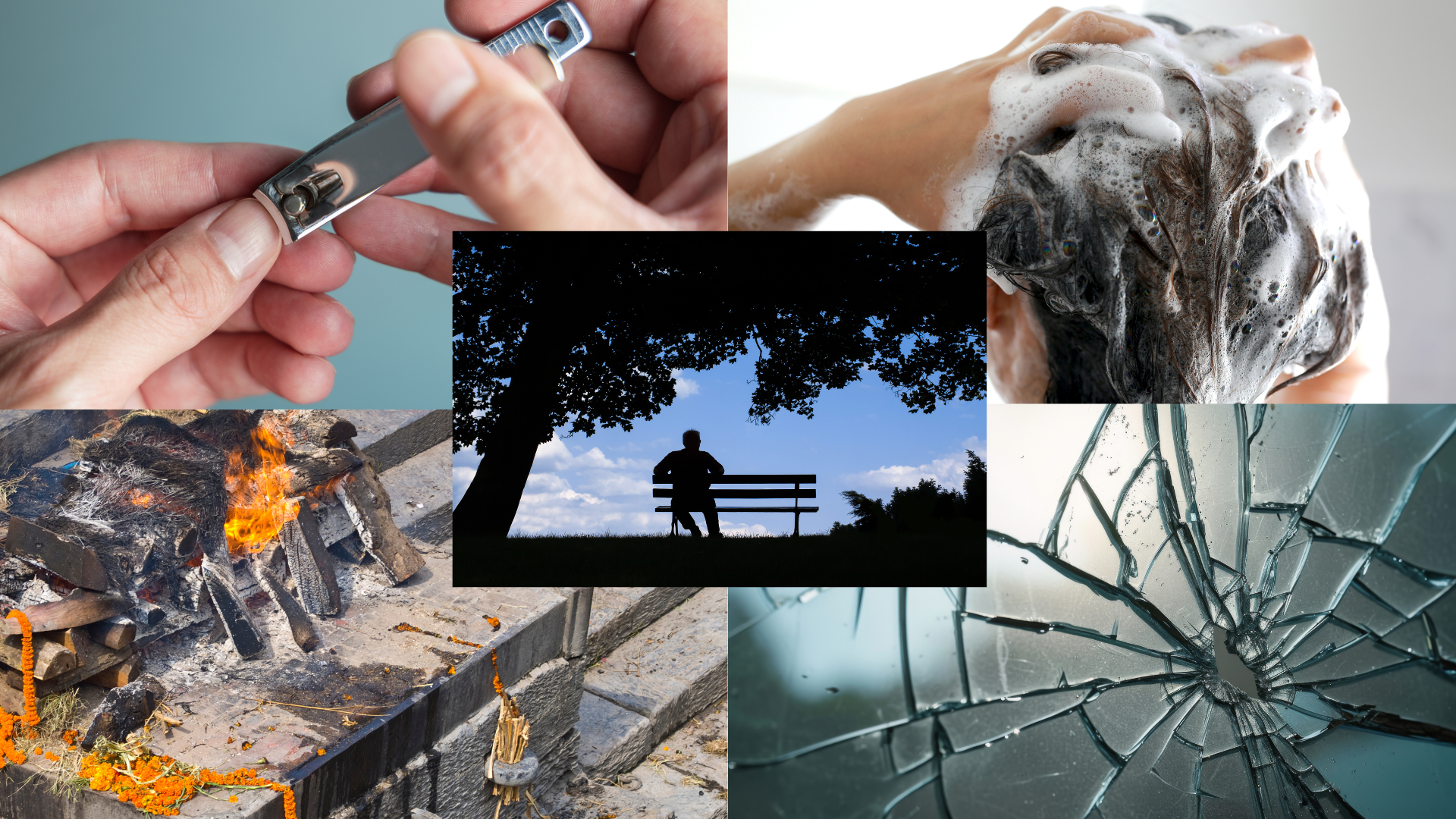
Some superstitions like these may seem quirky or outdated, but they still hold a surprisingly strong grip on everyday life across India
Across cultures in India, many everyday customs and taboos are passed down through generations, often without questioning their origin. Yet behind these seemingly irrational beliefs lie strong historical reasonings shaped by the limitations of earlier times, lack of electricity, scarce resources, or basic hygiene.
While they may seem bizarre today, many of these beliefs had practical or even deeply scientific reasons in the past. Over time, however, those original contexts have faded, and the practices have turned into superstitions followed simply out of habit or fear of bad luck.
Take, for instance, the old belief that one should not sweep the house after sunset. Before the invention of electricity, sweeping in the dark could mean accidentally throwing away small valuables like coins, jewellery, or important papers.
Similarly, hanging a string of lemon and chillies at the entrance was likely once a natural insect repellent and a symbolic way to absorb negative energy. But now, it is mostly used to ward off the “evil eye” or attract good fortune, with little regard for its original intention.
Superstitions like these may seem quirky or outdated, but they still hold a surprisingly strong grip on everyday life across India.
Cutting nails or hair after dark
The Belief:
It is considered inauspicious to cut nails or hair after sunset.
The Logic:
In the period before electric lighting, cutting nails or hair at night could be unsafe and lead to injury due to poor visibility. There was also a risk of losing sharp tools like scissors or blades. Over time, this practical advice transformed into a superstition.
Taking a bath after attending a funeral
The Belief:
One must bathe after returning from a cremation or burial ground to cleanse oneself of impurity and the sadness and negativity associated with death.
The Logic:
This practice stems from hygiene and public health concerns. Funerals, especially traditional ones involving cremation or burial, were held in open grounds and since the mortal remains carry a lot of bacteria as well as potential infections, bathing was a way to prevent the spread of disease.
Not washing hair on Tuesdays or Thursdays
The Belief:
Washing your hair on specific days, like Tuesdays or Thursdays, is said to bring bad luck or loss of wealth. Additionally, women are discouraged from washing hair on Thursdays as it is believed in many communities that it could bring bad luck to the male members of the family.
The Logic:
This belief likely originated from water scarcity or social customs. In many communities, these days were linked to rituals or fasting, and conserving water was encouraged. In rural areas where water was drawn from wells or ponds, assigning no-wash days helped manage usage efficiently.
Not sitting under a Peepal tree (sacred fig or Ficus religiosa) at night
The Belief:
It is widely believed that sitting or resting under a Peepal tree at night invites bad spirits or negative energies. Some believe that ghosts or supernatural beings reside in or around the tree after sunset and lingering near it can bring misfortune or illness.
The Logic:
Scientifically, all trees, including the Peepal, release carbon dioxide at night due to the absence of photosynthesis. Sitting under the tree for long periods after dark could lead to discomfort or dizziness from lower oxygen levels. In ancient times, discouraging night-time visits to isolated or forested areas also served as a safety precaution against wild animals or accidents.
Breaking a mirror
The Belief:
Breaking a mirror is considered highly unlucky and is believed to bring seven years of bad luck. In many cultures, mirrors are thought to reflect not just one’s image but also their soul or fortune, breaking it is seen as damaging one’s destiny.
The Logic:
Historically, mirrors were expensive and rare, made from polished metal or glass backed with silver. Breaking one could be a significant financial loss.
