
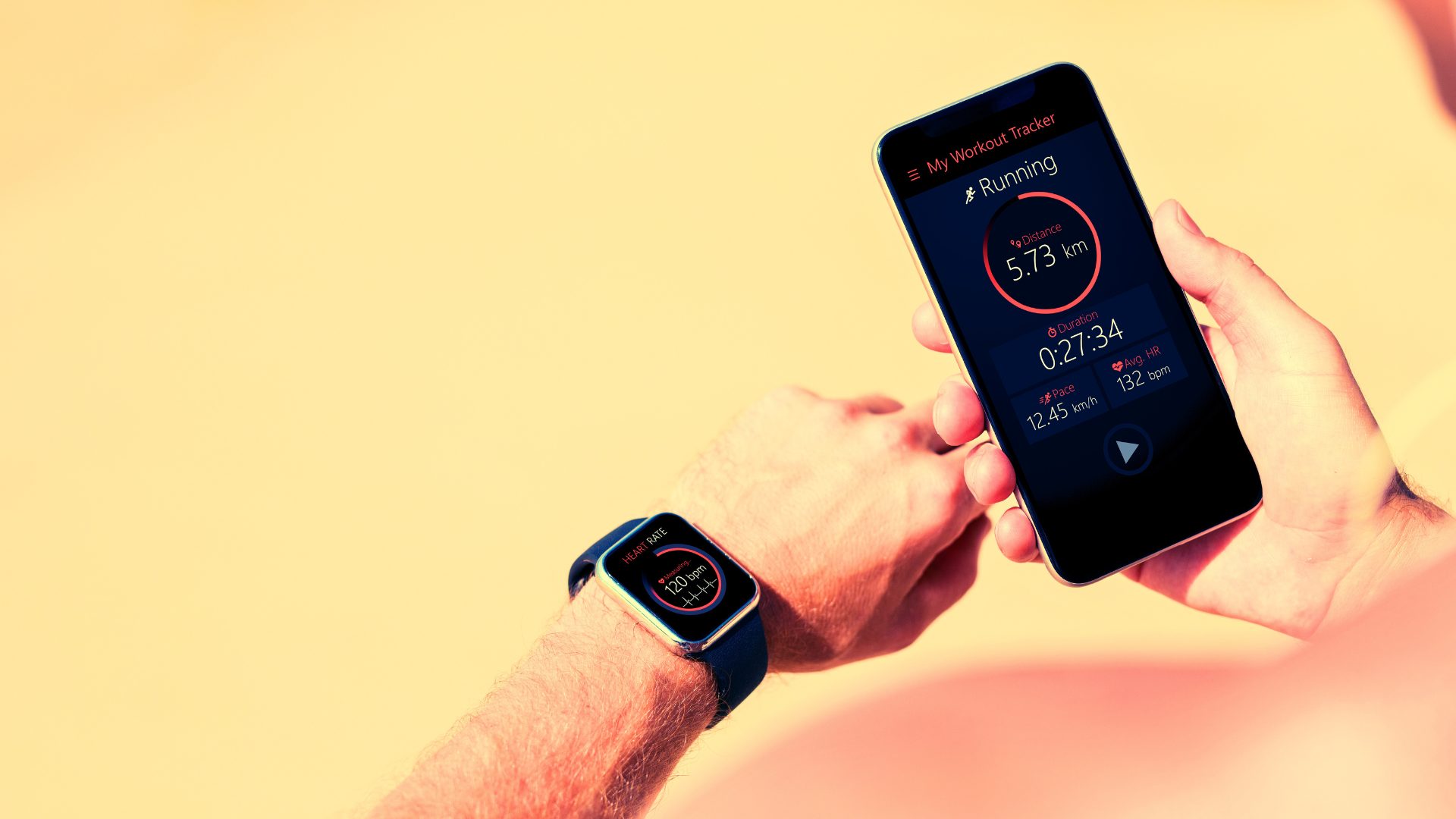
For those who are already worried about their health, constant health monitoring can cause more harm than good (Photo: Canva)
Smartwatches and fitness trackers have become part of daily life for millions of people. They can measure everything from the heart rate and sleep quality to step counts and even the stress levels.
At first glance, these features seem helpful. But for some people, especially those who are already worried about their health, this kind of constant tracking can cause more harm than good.
“Constant monitoring can amplify stress by creating a negative feedback loop, they attend more to bodily signals, misinterpret normal fluctuations as pathology and reinforce obsessive behaviour. That leads to compulsive checking and increased perceived stress instead of reassurance, even in otherwise healthy individuals,” Dr Shivam Singh, Resident Doctor at Apollo Hospital, Delhi, tells Media India Group.
The line between monitoring and worry
Many smartwatches now send alerts about heart rate changes, irregular rhythms or poor sleep. While these warnings are meant to keep people safe, they can may cause unnecessary alarm. A slightly high heart rate after a cup of coffee or a restless night of sleep might trigger a message on your watch, and suddenly, what was a normal day turns into one filled with worry.
Professor Brendan Kelly, a psychiatrist at Trinity College at Dublin in Ireland, has warned that overuse of these devices can lead to ‘health anxiety and obsessive monitoring’. In other words, rather than giving peace of mind, the constant updates can leave users feeling on edge.
When tracking becomes obsession
Recent studies have shown that smartwatches may actually increase anxiety for certain people. A study published in the Journal of the American Heart Association found that people with atrial fibrillation, a common heart rhythm disorder, were checking their ElectroCardioGram (ECGs) hundreds of times per year. Many of the alerts they received were either false or not serious. Still, the repeated checks created more stress, not less.
“Patients often report obsession over minor heart rate changes or rhythm notifications, frequent ECG readings, hundreds per year in some cases, anxiety about normal sleep variability or low sleep scores or orthosomnia, and psychological distress based on ambiguous metrics such as heart rate variability and readiness scores that they cannot contextualise medically,” says Singh.
Psychologists are also seeing more patients who have developed health anxiety after using wearable technology. “You end up watching the numbers instead of living your life,” said Dr Phil Lane, a psychotherapist based in the United Kingdom. He compared it to a driver who cannot stop staring at the dashboard instead of focussing on the road ahead.
“Real time biometric feedback is like a door in the face, even if one can manage, handle or delay the response to a certain situation, real time biometric feedback gives no time for the body to adjust to changes or the mind to process the information. It decreases the bandwidth and resilience,” Sakshi Taneja, a psychologist based in Delhi, tells Media India Group.
The hidden stress of sleep scores and step counts
One area where this anxiety often appears is in sleep tracking. Many smartwatches give users a score based on how well they slept. But when people focus too much on this number, they can develop something called ‘orthosomnia’ poor sleep caused by the stress of trying to sleep perfectly. Instead of helping, the watch becomes a source of pressure.
The same problem can happen with daily step goals or fitness targets. Missing a step count or having a ‘bad day’ according to the device can leave people feeling guilty, lazy or even like they have failed. Some people report checking their devices dozens of times a day, even when they feel physically fine.
However, not everyone reacts the same way to wearable technology. Some people can check their smartwatch once a day and move on. Others become more dependent. People who are already prone to health anxiety, perfectionism, or obsessive thoughts are more likely to struggle with this kind of constant feedback. Even those with genuine health issues can end up checking their data too often, sometimes feeling more anxious than before.
“People whose locus of control is external as in who think everything is happening to them and feel less control over situations and environment and have a victim / recipient thinking are more prone to stress or anxiety and wait for another outside factor to come and take them out of it,” says Taneja.
Smartwatches and fitness trackers can be an ideal tool for staying healthy, but only when used in moderation. For some people, especially those who tend to worry, they may become a source of constant checking, stress, and even obsession.
“For some individuals it does more harm than good. Despite potential benefits in chronic disease detection, unregulated use can provoke cyberchondria and excessive symptom checking. Wearables offer quantity over quality of data and are not clinically interpretive tools. That can worsen anxiety and lead to unnecessary health-care use or panic responses,” adds Singh.
