
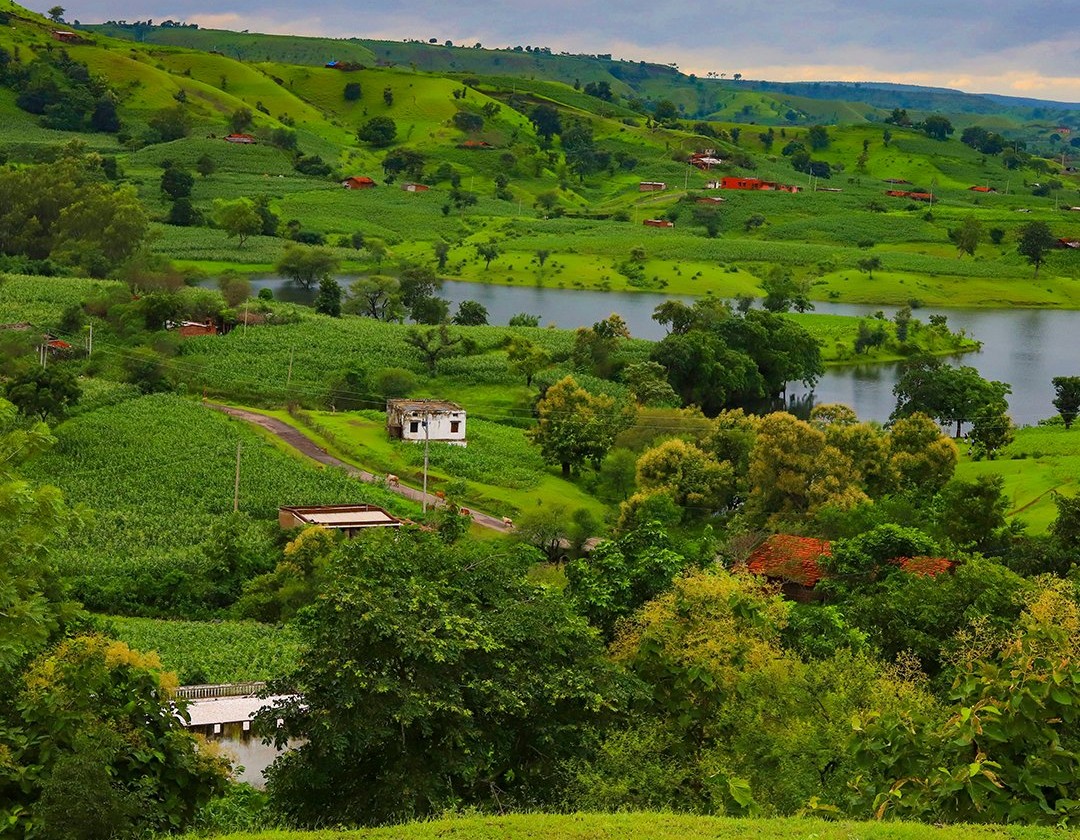
Banswara sits at the southernmost edge of Rajasthan, bordering Madhya Pradesh and Gujarat
When you hear Rajasthan, the image that usually comes to mind is of golden deserts, proud forts and camels trudging through the dunes. But tucked away in the south-eastern tip of Rajasthan, almost hidden from the tourist glare, is Banswara, a land that defies stereotypes with its lush greenery, sparkling rivers and rolling hills.
Known as the ‘city of 100 islands’ thanks to the numerous tiny islands dotting the Mahi River, Banswara offers a gentler, greener, and incredibly soulful side of Rajasthan.
Banswara sits at the southernmost edge of Rajasthan, bordering Madhya Pradesh and Gujarat. The town is well connected yet feels like an untouched secret. From Udaipur, the City of Lakes, it is about 165 km towards south-east. If you are travelling from Ratlam in Madhya Pradesh, the distance is barely 85 km, making it a short, scenic drive through gentle hills.
Unlike the arid regions of Jaisalmer or Bikaner, Banswara is wrapped in emerald hills, water reservoirs and forests. The perennial Mahi River snakes across the region, creating picturesque islands and lending the town its romantic nickname. The climate too feels gentler, with cooler breeze rolling down from the Vindhyas.
A drive around Banswara reveals its true soul: little hamlets where the indigenous Bhil tribes still lead lives rooted in tradition, terraced fields glistening after the rains and serene reservoirs where water birds skim the surface. It is no surprise that locals fondly call it Cherrapunji of Rajasthan, for it records the highest rainfall in the state.
About 16 km from the city, this massive dam on the Mahi River is not just an engineering feat but a panoramic escape. The surrounding landscape, especially during and after the rains, is mesmerising.
Another attraction is located barely 8 km from the town. This man-made lake was built by Queen Lanchi Bai. Surrounded by banyan trees and cenotaphs of the royal family, it makes for a peaceful evening stroll or boat ride.
Just 5 km from the heart of Banswara, this ancient shrine is carved inside a natural cave dedicated to Lord Shiva. Also called Phati Khan, this gurgling natural tank sits about 3 km from Banswara. Legend has it that Lord Rama himself once bathed here during his exile, making it a spiritually significant spot.
Situated about 50 km from town, this revered Jain shrine boasts 12th–15th century inscriptions. Encircled by forests, the temple resonates with serenity and showcases beautiful Jain art.
What makes Banswara especially intriguing is its tribal heart. Predominantly inhabited by the Bhil tribes, the region thrives with folk music, colourful dress, and unique customs. During festivals like Holi, the celebration takes on a vibrant tribal twist, with the Beneshwar Dham Fair, usually in February, a confluence of Bhil culture, spirituality and festivities, standing out as the most famous event.
The cuisine of Banswara carries the earthy essence of tribal Rajasthan while borrowing subtle influences from Gujarat and Madhya Pradesh. A typical meal here features maize rotis, spicy raabdi, and tangy preparations of bamboo shoots and wild leafy greens, staples of the Bhil community. Dishes like daal-baati-churma and gatte ki sabzi are widely relished, but what makes Banswara’s food unique are seasonal forest produce and traditional tribal recipes that stay true to their natural flavours. Festivals often bring out sweet treats like lapsi and jaggery-based desserts, served with local buttermilk or chhach.
Though relatively unexplored compared to Rajasthan’s bigger cities, Banswara offers a mix of modest yet charming accommodation options. Comfortable budget hotels and mid-range lodges can be found within the city, providing easy access to markets and nearby attractions. For travellers seeking a more immersive experience, heritage-style guesthouses and government circuit houses often feature colonial-era architecture and serene settings. The best times to visit, post-monsoon and winter, see the green countryside at its peak, making even simple stays feel refreshing, with misty mornings, cool evenings and panoramic views of the surrounding lakes an
