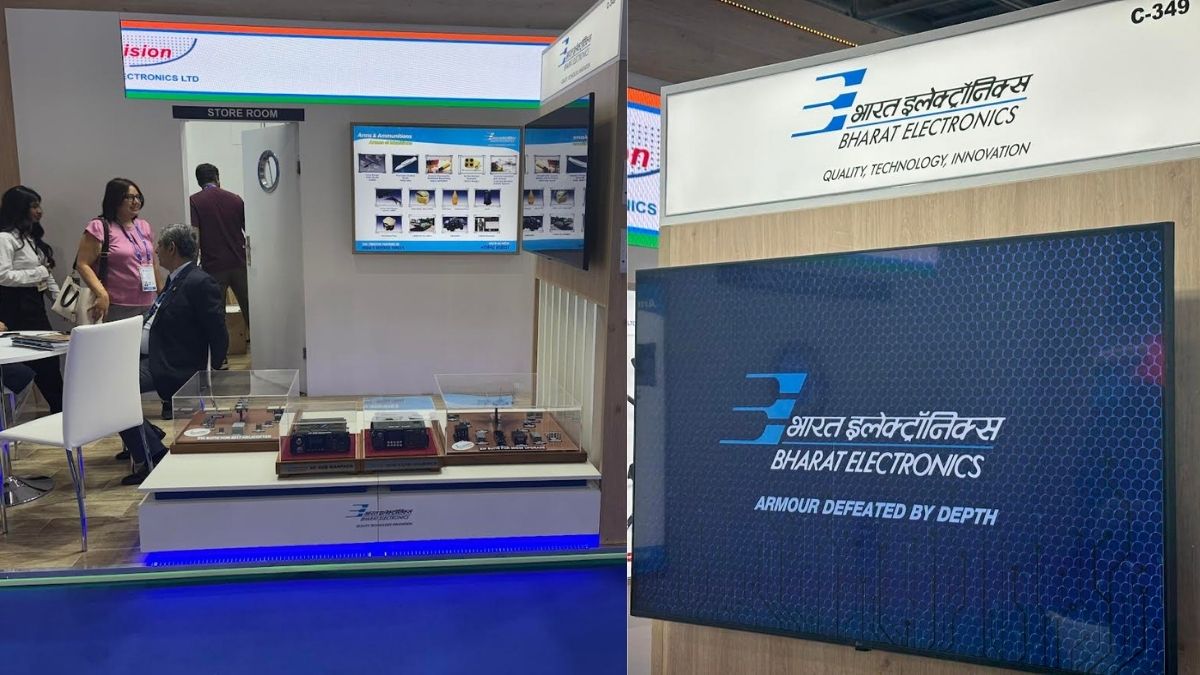
BEL highlighted India's growing defence manufacturing capabilities at Eurosatory (Photos: Media India Group)
What did BEL bring to Eurosatory 2026 and what are its expectations from the exhibition?
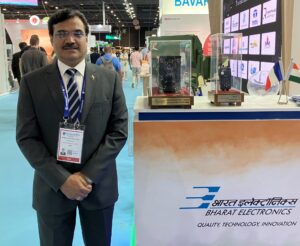
Rajnish Sharma
BEL came to Eurosatory 2026 with a wide range of products and solutions. It had around 350 products that are being used extensively by the Indian armed forces and many international customers as well. Its portfolio covers communication systems, radar systems, electronic warfare solutions for land, naval and airborne platforms, cyber security, Artificial Intelligence (AI), quantum technologies, radios and several next-generation defence solutions.
Following Operation Sindoor, many of BEL’s systems have gained global visibility. Systems such as Akashteer, National Command Control Communication and Intelligence (NC3I) solutions, Integrated Air Command and Control System (IACCS) and various radar and sensor networks demonstrated their capabilities during the operation. These systems enable effective threat detection, networking and response capabilities. BEL was at the exhibition with the vision of Make in India, Make for the World and to showcase India’s growing defence manufacturing capabilities to the global market.
How important is Eurosatory as a platform for BEL’s international outreach?
Eurosatory is one of the most important defence exhibitions globally and provides an excellent opportunity to engage with defence ministries, armed forces, industry leaders and potential customers from across the world.
BEL has used the platform to strengthen its engagement with friendly nations and explore new export opportunities. The Indian presence at Eurosatory has also expanded significantly, with several defence public sector undertakings and Micro, Small and Medium Enterprises (MSMEs) participating. The exhibition has allowed BEL to showcase India’s indigenous capabilities and establish long-term partnerships.
Also Read: India playing an increasingly important role at Eurosatory
What proportion of BEL’s business comes from indigenous technologies?
Around 78-79 pc of BEL’s turnover comes from indigenous solutions. These systems have been developed through home-grown technologies created by BEL and in collaboration with organisations such as Defence Research and Development Organisation (DRDO). BEL works closely with technology partners to design and manufacture advanced defence systems within the country.
How significant were exports in BEL’s business and what were its growth plans?
BEL exported products worth around USD 142 million last year and exports are growing at around 18-20 pc annually. The company has been given a mandate to ensure that at least 10 pc of its turnover came from exports.
BEL is present in regions such as Africa, the Middle East, Southeast Asia and South America and is continuously exploring new opportunities. BEL has already supplied radar systems to Armenia and several countries were showing interest in products such as the Akash missile system. The company is targetting achieving the 10 pc export contribution by 2030.
Which products attracted the most attention at Eurosatory 2026?
At Eurosatory 2026, BEL displayed a wide range of systems, including NC3I solutions, anti-drone systems, electronic warfare equipment, radar systems, cyber security products and networking solutions.
If one product emerged as a standout attraction, it was the Akash missile system. The system generated significant interest because of its successful operational performance, precision, reliability and affordability. BEL received enquiries from several countries and defence companies that were interested in potential cooperation, integration opportunities and future procurement discussions.
Are there opportunities for BEL in European markets?
Yes. BEL is already supplying products to leading European defence companies. For example, it supplies transmitter-receiver modules to Thales that are used in Rafale fighter aircraft. Initially, these supplies were linked to aircraft meant for India, but BEL’s quality and reliability has resulted in its products being approved for wider programmes.
BEL is also supplying products that were used in Europe and the United States and is looking to further strengthen its presence in these markets.
Also Read: FICCI business delegation arrives at Eurosatory 2026 in Paris
What feedback did BEL receive from international customers regarding its products?
The feedback has been very encouraging. One example is Armenia, where BEL supplied Weapon Locating Radars. Senior officials there expressed satisfaction with the performance and reliability of the systems.
Such feedback reinforces confidence in Indian defence products and demonstrated that BEL could compete globally in terms of quality, reliability and operational effectiveness.
What cost advantage did BEL offer compared to global competitors?
India enjoys a significant cost advantage in manufacturing. Depending on the product category, BEL’s solutions cost around 50-60 pc of comparable international systems while maintaining high levels of quality and reliability.
This combination of affordability, performance and reliability make its products particularly attractive for countries seeking advanced defence capabilities with limited budgets.
What has been the overall response to BEL’s participation at Eurosatory 2026?
The response has been extremely positive. BEL held productive discussions with defence organisations, government representatives and major international companies.
Several global companies have explored opportunities to collaborate with BEL, integrate their technologies with its systems or jointly address international markets. There is also growing interest in contract manufacturing and co-development opportunities. The exhibition created a strong platform for expanding BEL’s global footprint and supporting India’s ambition of becoming a major defence exporter.