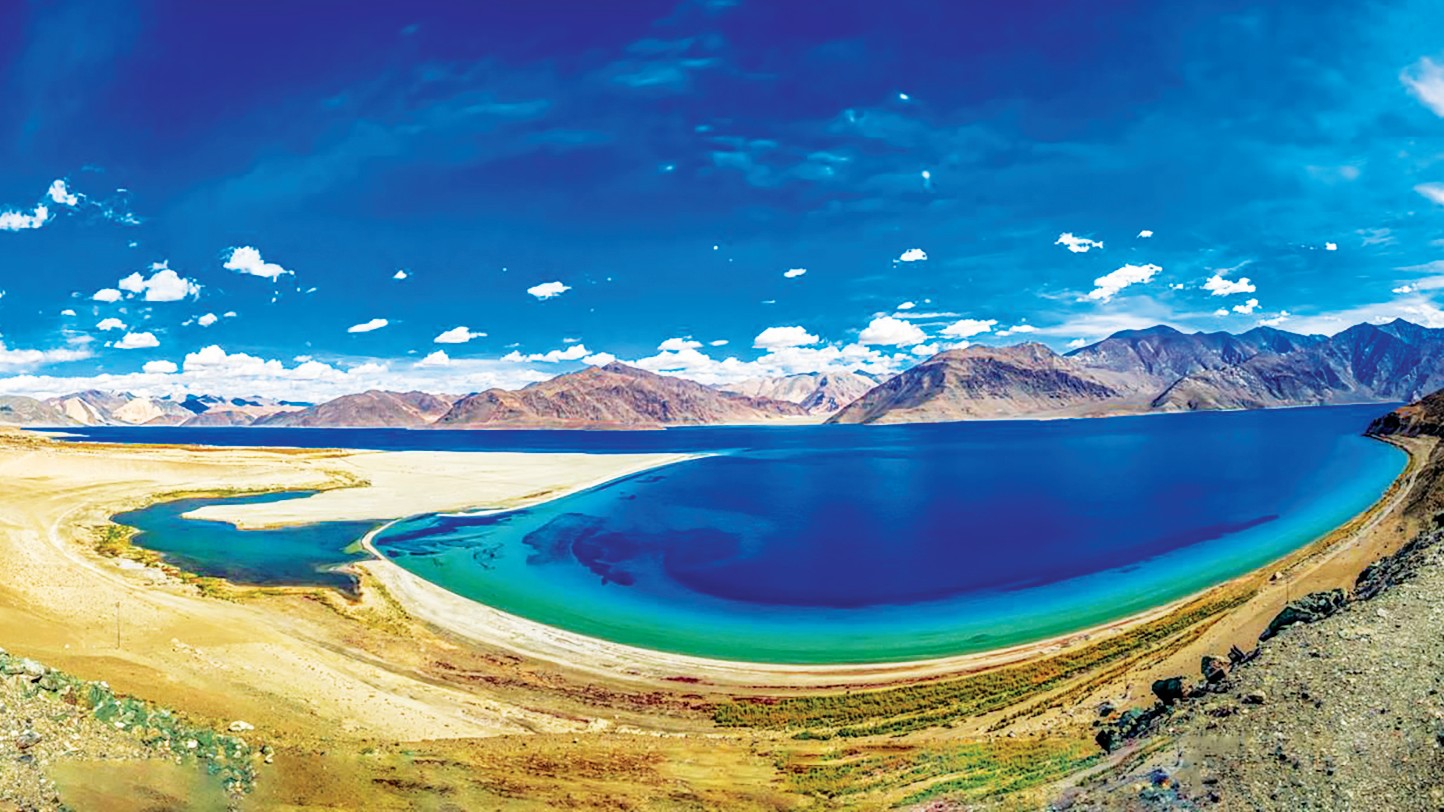
Tourism is a crucial sector for Ladakh, with nearly 70 pc of the region’s population depending on it in some way
How has 2025 been for Ladakh?

Sanjit Rodrigues
Ladakh had faced certain challenges earlier, including a few incidents that had an impact on tourism. As a sector, tourism is highly sensitive, and such developments can affect travel sentiment and visitor numbers. However, the situation has improved significantly now and the outlook for the 2026 tourism season appears very positive.
At present, the overall environment is encouraging, and stakeholders across the tourism industry are optimistic. Efforts are being made to actively promote Ladakh in its niche markets, with a focussed approach to attracting travellers interested in the region’s unique experiences.
Given the current momentum, there is strong hope that the 2026 tourism season will be successful across all periods including spring, summer and winter bringing renewed growth and confidence to the sector.
How many people visited Ladakh in 2025?
We recorded around 350,000 visitors, of which nearly 15–20 pc were international tourists. While the numbers were slightly lower than what we had anticipated, the outlook now appears much more encouraging.
For 2026, I would prefer not to make a precise projection. However, the enquiries we are receiving indicate strong interest and the overall trends look positive. At the same time, we are actively promoting the destination in the right markets and focussing on the appropriate segments. Given these efforts and the growing interest from travellers,we are hopeful of achieving strong visitor numbers that will ultimately benefit and satisfy all stakeholders associated with the tourism sector.
Also Read: Ladakh records 43 pc rise in June tourist arrivals
Where do most tourists come from and what attracts them to Ladakh?
Tourists visiting Ladakh come from different parts of India as well as from international markets and they belong to several travel segments. One of the most prominent segments is adventure tourism, particularly biking. Ladakh has become a major destination for biking enthusiasts, with many organised biking tours taking place every year. Riders come from across the country, including a strong interest from South India, where adventure biking has gained significant popularity.
To further promote this segment, the Ladakh administration has introduced a festival called the Ladakh Bike Week, scheduled to take place from September 1 to 7. The event aims to host a large biking adventure gathering and bring together a significant number of bikers from different regions, making it a major highlight in Ladakh’s tourism calendar.
Apart from biking, mountaineering, wildlife experiences and trekking form another important segment. Winter trekking in particular has been attracting increasing interest and enquiries for such experiences have also been rising.
Family tourism is another key segment, with many visitors choosing Ladakh as a vacation destination. In addition, the Buddhist trail remains a significant attraction. Many travellers come specifically to visit Ladakh’s ancient monasteries and the region’s vibrant monastic festivals also draw a large number of tourists.
How are you promoting Ladakh as a destination in India and overseas?
We have planned a comprehensive calendar of trade fairs and exhibitions that we will be attending across India as a part of our promotional efforts. In total, we aim to participate in around nine to ten major trade shows. These include events such as SATTE in New Delhi, and OTM in Mumbai. Such platforms help us connect directly with travel industry stakeholders and promote Ladakh to a wider audience.
In addition to trade shows, we are also organising familiarisation trips to Ladakh. These trips will bring together travel agents, travel writers, and social media influencers who have strong outreach in specific segments of the travel market. The idea is to allow them to experience the destination first-hand and share their perspectives with their audiences.
We are planning two such familiarisation trips one during the winter season and another in the summer. These initiatives are part of our broader strategy to showcase Ladakh’s diverse tourism experiences and strengthen its visibility in both domestic and international markets.
Also Read: Galdan Namchot: Ladakh’s landmark winter festival
Which tourism segment are you promoting right now?
At the moment, the focus is largely on winter tourism. During this season, a significant amount of adventure tourism takes place in Ladakh. Recently, the region hosted the Khelo India Games, which featured events such as ice hockey and skating. Ice skating, in particular, is a major attraction and draws a large number of sports enthusiasts to the region.
Another notable event taking place currently is the Pangong Marathon, which is known as the world’s highest lake marathon and is held on the frozen Pangong Lake. Such events themselves offer unique adventure experiences and attract participants and visitors interested in extreme and high-altitude sports.
Wildlife tourism is also a major highlight during the winter months. This is the time when sightings of the snow leopard become more frequent, along with other animals that inhabit the snowbound landscapes of Ladakh. These experiences together make winter a significant season for adventure and wildlife tourism in the region, and they are among the key aspects being promoted at present.
How important is snow tourism for Ladakh?
Tourism is a crucial sector for Ladakh, with nearly 70 pc of the region’s population depending on it in some way. Traditionally, most tourists visit during the summer months, while winter has largely remained an off-season. However, there is now a strong effort to change this perception and promote Ladakh as a year-round destination.
Promoting snow and winter tourism has therefore become an important focus. The aim is to keep the tourism season active during the colder months as well, ensuring that local stakeholders continue to benefit and that the long winter break in tourism activity is reduced. By encouraging visitors to experience Ladakh in winter, the administration hopes to shift the mindset of travellers and maintain a steady flow of tourism throughout the year rather than limiting it to a seasonal peak.
Winter in Ladakh offers a wide range of unique experiences. Adventure activities such as ice climbing take place on the region’s natural frozen waterfalls and are popular among thrill seekers.
Ice-based sports also play a significant role in winter tourism. Events such as the Khelo India Games feature activities like ice hockey, figure skating, and speed skating, attracting sports enthusiasts to the region. Ice hockey is especially popular in Ladakh, and during winter many frozen ponds and lakes across villages naturally transform into ice rinks where local matches are played.
While precise figures for international visitors during winter are not available, many foreign tourists who travel to Ladakh in this season are primarily drawn by wildlife tourism, particularly the opportunity to observe the snow leopard in its natural habitat. These experiences collectively highlight the growing importance of snow tourism in positioning Ladakh as a year-round destination.
Also Read:Yaya Tso: A birdwatching paradise in the heart of Ladakh
Which are your key markets in India and overseas?
Within India, several regions serve as key source markets for Ladakh. From western and southern India, states such as Maharashtra and Karnataka generate a large number of visitors, particularly from cities like Bengaluru. Adventure biking is especially popular among travellers from South India and many organised biking tours to Ladakh originate from this region.
Maharashtra and Gujarat are also important markets, while in eastern India, Kolkata remains a major source of tourists. Internationally, Southeast Asia forms an important segment, particularly because of Ladakh’s strong connection with the Buddhist trail. Countries such as Thailand are among the top markets, along with Vietnam and Taiwan, where travellers show strong interest in visiting Ladakh’s monasteries and Buddhist heritage sites. In addition, European countries such as France, Germany and the United Kingdom are significant markets, especially for activities like mountaineering, trekking and cultural tourism. These markets together form the core of Ladakh’s domestic and international tourism outreach.