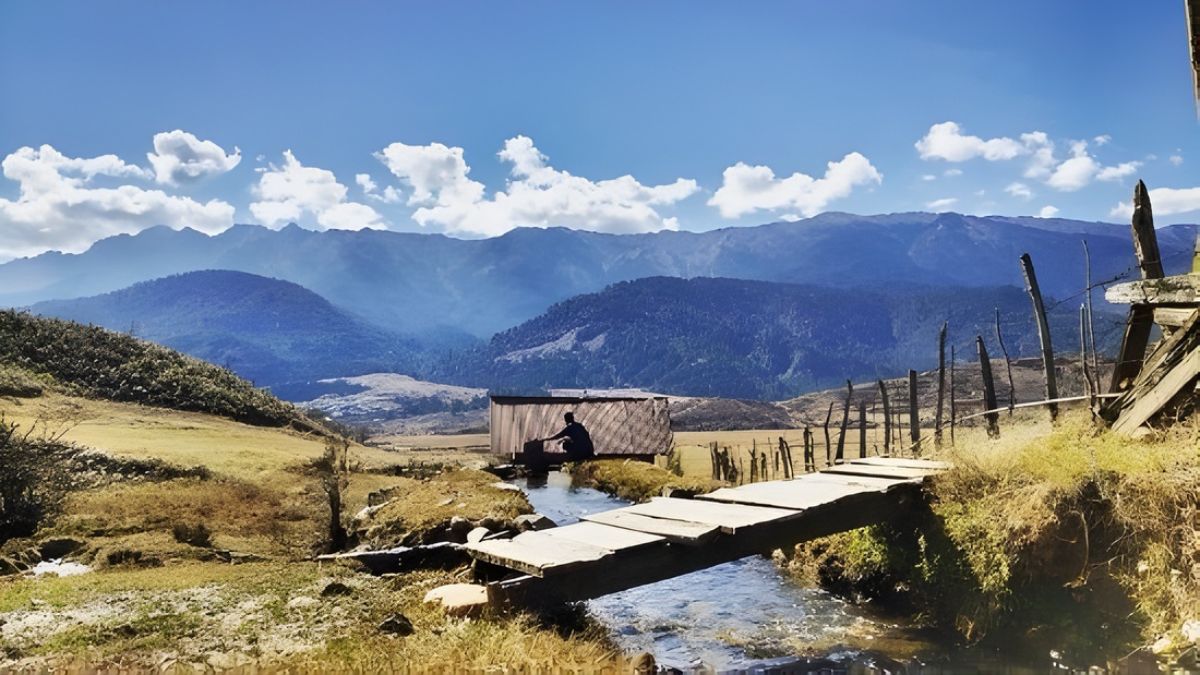
Mechuka Valley where rivers and forests shape everyday life, with bamboo bridges and calm riverbanks defining the landscape (Photo: Incredible India)
Tucked away in the far reaches of Arunachal Pradesh, Mechuka is a remote valley where rivers, forests and Tibetan-Buddhist traditions shape daily life. From hilltop monasteries to bamboo bridges and quiet riverbanks, visitors find an understated Himalayan experience. Here, slow travel walking through villages, trekking forest trails and observing local rituals defines the valley’s appeal, rather than large-scale resorts or commercial tourism.
For years, steep mountain tracks and limited access kept it off the tourism radar, but new roads and occasional charter flights are drawing curious travellers. What stands out here is not just the dramatic landscape of pine-clad hills, turquoise rivers and snow-tipped peaks, but how unhurried and authentic everyday life remains. Mechuka feels like a place evolving at its own pace, offering a rare glimpse of Himalayan culture largely untouched by commercial tourism.
Unlike more developed hill stations, Mechuka’s rhythm is shaped by the land and river. From early morning prayers at hilltop monasteries to farmers tending their fields and children playing by clear streams, travel here is an experience of presence and place.
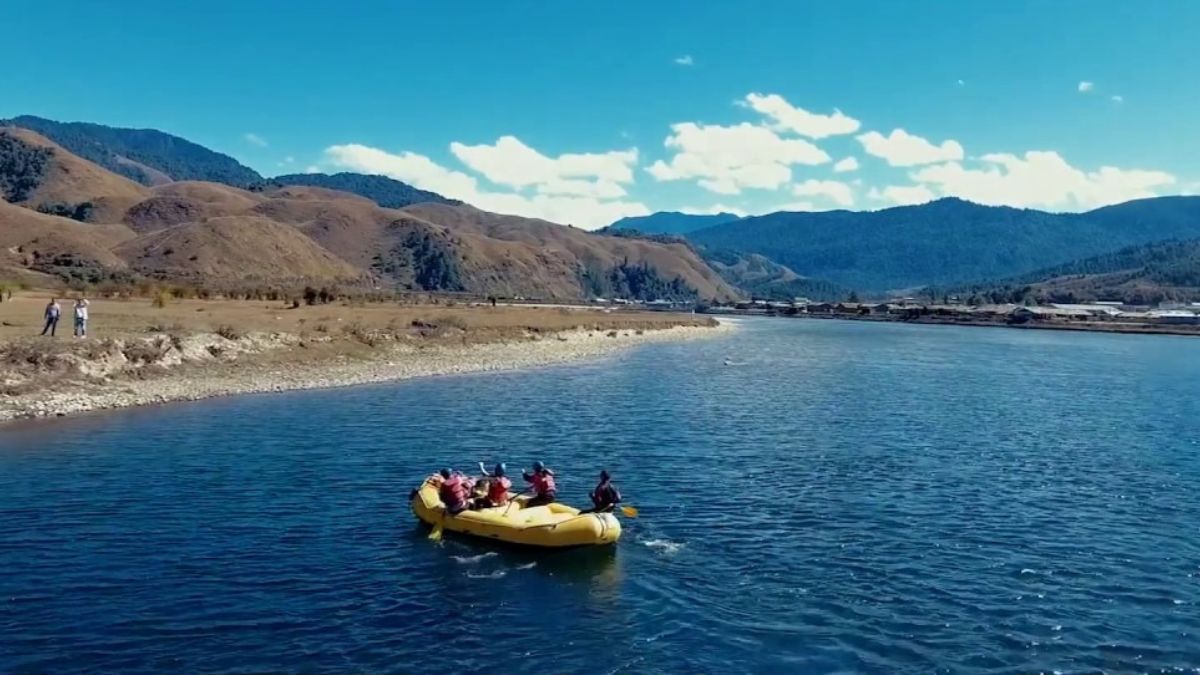
Pine-clad hills and winding rivers give this place a striking landscape (Photo: Incredible India)
Visitor numbers are still low, so long walks along mountain trails, relaxed visits to villages and unstructured time by riverbanks define the valley’s appeal, rather than crowded viewpoints or packaged tours.
Framed by mountains and serene rivers
Set around 1830 m above sea level, Mechuka sits amid broad valleys cut by the Siyom, also called Yargyap Chu River, with lush forests and jagged peaks around every corner.
The landscape feels vast yet intimate, with clear water, tall pines and often brilliant skies. Seasonal shifts paint the valley in different hues, from cool greens in summer to crisp, snow-touched silhouettes in winter, giving travellers ever-changing scenery to explore on foot, by bike or from village entries.
Here, nature is present in every view and most moments, offering opportunities for slow discovery and quiet reflection.
Alos Read: Damro: Best-kept secret of Arunachal Pradesh
Living culture and spiritual rhythms
Mechuka’s cultural life is mainly shaped by the Memba community, descendants of Tibetan-Buddhist traditions who have lived here for centuries. Their spiritual and everyday lives are inseparable and much of the valley’s identity comes from this deep sense of continuity.
Samten Yongcha Monastery, perched on a hill overlooking the valley, is a central spiritual hub. With ancient prayer halls, fluttering prayer flags and panoramic views, it offers travellers insight into living Buddhist traditions that guide daily life here.
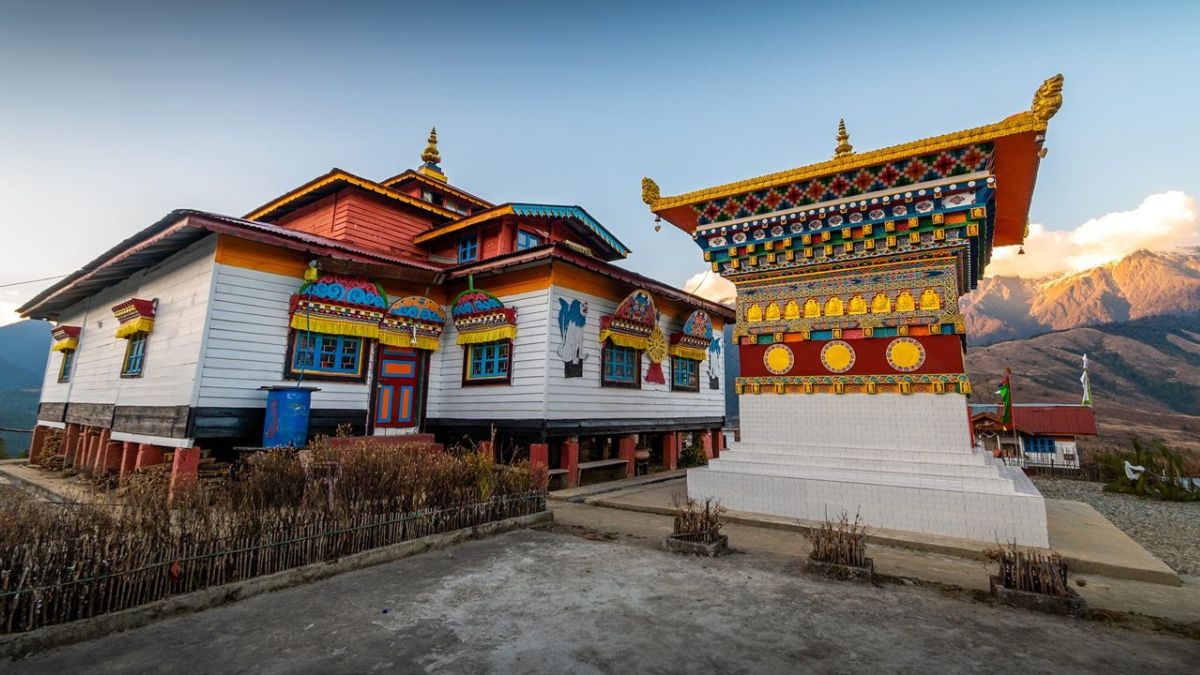
Samten Yongcha Monastery, a hilltop spiritual hub overlooking the valley, with ancient prayer halls, fluttering flags and panoramic views (Photo: Incredible India)
Village life itself feels ceremonial. Traditional homes with wooden architecture, midday chants, evening prayers and slow-paced routines reflect values passed down through generations.
Festivals and rituals that define the valley
Mechuka celebrates its cultural heritage with festivals that bring colour, song and community bonding.
Losar, the Tibetan New Year, is one of the most important celebrations for the Memba. Marked with ritual dances, prayers, community feasts and a joyful atmosphere, Losar lets visitors witness centuries-old customs still very much alive.
The Mopin Festival, celebrated by the Adi tribe, is another highlight. It marks prosperity, community togetherness and the harvest season with traditional dances and songs that echo across the valley.
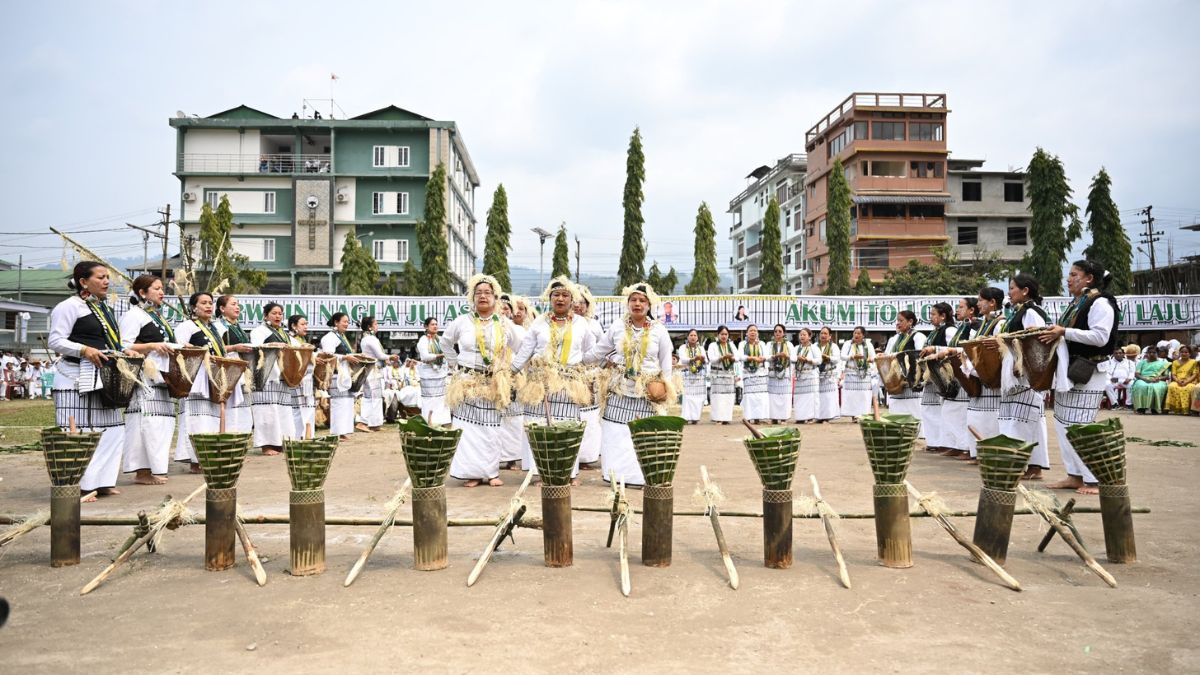
Mopin Festival celebrates prosperity, harvest and community spirit through traditional dances and songs (Photo: CM Office Assam)
In local villages such as Lhalung, annual worship of ancient sacred trees and sites connects people with ancestral customs and deepens the sense of place.
These festivals are not staged for visitors. They are living expressions of belief and community, experiences that transform raw scenery into cultural understanding.
Also Read: Journey to the Mystical Land: Beyul of Pemako, Arunachal Pradesh
Offbeat spots and scenic corners
Mechuka’s charm lies in its offbeat corners, many of which remain largely untouched by tourists. Winding across the valley, bamboo and cane hanging bridges over the Siyom River not only offer a small thrill but also reveal the ingenuity of local engineering and connect villages in ways that feel timeless.
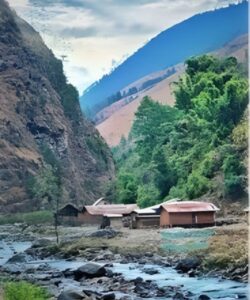
Villages like Padusa, Gapo and Dorjeeling offer a glimpse into the rhythms of tribal life across the hills (Photo: Incredible India)
Scattered across the hills are hidden villages such as Padusa, Gapo, and Dorjeeling, where travellers can witness the rhythms of tribal life, from tending terraced fields and raising livestock to preparing traditional meals in wooden homes.
For those who love walking, trekking trails thread through dense forests, open meadows and along ridges that overlook the valley, giving glimpses of wildlife, flowering shrubs and panoramic Himalayan views.
Along the way, natural spots like secluded waterfalls, crystal-clear river bends and quiet glades provide tranquil pauses for reflection, photography or simply listening to the flow of water and wind.
History also quietly shapes the landscape. Certain sites are connected to World War II events, while others lie near the Line of Actual Control, offering context to the valley’s strategic significance and modern narratives. Together, these scenic and cultural corners reward travellers who move at a deliberate pace, allowing the valley’s layers of life, history and nature to slowly reveal themselves.
Cuisine rooted in mountain life
Mechuka’s food reflects its Himalayan environment and tribal heritage. Meals are uncomplicated, hearty and built around local produce and seasonality rather than fancy presentation.
Butter tea and apong, a traditional rice beer are daily staples in many households, especially during colder months and celebrations. Chhurpi, a traditional dried cheese and other dairy products bring rich flavours suited to the high-altitude climate.
River fish and smoked meats paired with local greens and simple grains offer satisfying meals after a day of exploring.
Sharing meals in homestays is more than nourishment, it is a chance to connect with families, hear stories and understand daily life rhythms that shape Mechuka.
When to visit
The most comfortable season to visit Mechuka is March to June and again September to November, when skies are clearer and weather is milder for trekking, village walks and cultural experiences.
Monsoon months bring lush greenery and dramatic rains but can make roads and trails challenging. Winter offers snow-touched landscapes and a quieter valley, though temperatures drop significantly.
Mechuka’s blend of untouched nature, deep-rooted culture and slow pace makes it a compelling alternative to more familiar hill destinations.