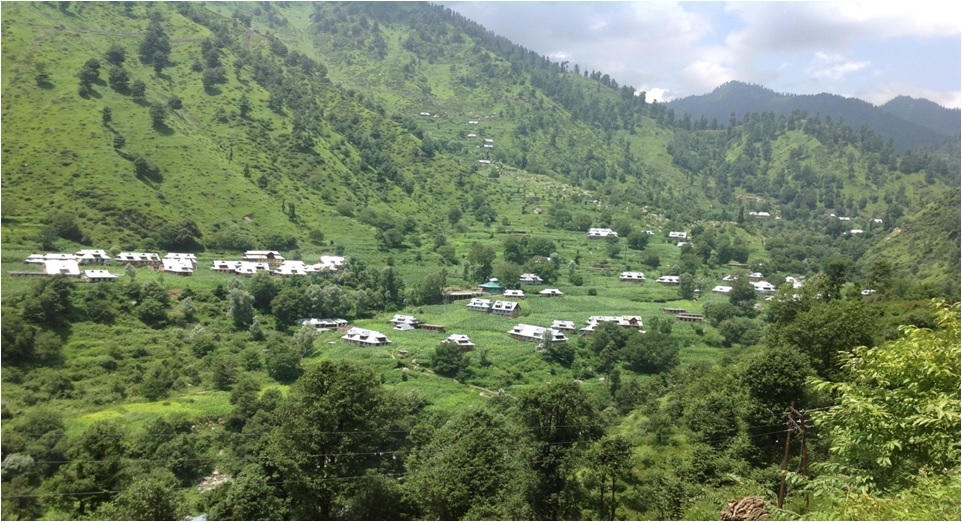
Mandi offers access to the Swami Budha Amarnath temple, while Than Pir combines religious significance with mountain views overlooking the surrounding valleys (Photo: District Poonch)
While Gulmarg, Pahalgam and Sonamarg dominate Jammu and Kashmir’s tourism circuit, the border district of Poonch offers a different travel experience, combining mountain landscapes, waterfalls, alpine lakes, historic routes, religious sites and village life.
Located along the Pir Panjal range, the district has several destinations that could attract travellers interested in trekking, nature, photography, heritage and rural tourism. However, many remain outside mainstream travel itineraries because of limited connectivity, accommodation and visitor facilities.
Several lesser-known locations, including Noori Chamb, Shah Sitar, Nahrian, Rangawar, Sarri Mangian, Sultan Pathri and Aangan Pathri. These destinations offer opportunities to expand tourism beyond the established Kashmir Valley circuit, provided the authorities develop the infrastructure required to make them accessible to visitors.
Also Read: Jammu & Kashmir: A Spiritual Haven
Waterfalls, lakes and mountain meadows
One of the main attractions in Poonch is Noori Chamb, located near Behram Galla in Surankote, around 45 km from Poonch town. The waterfall is associated with Mughal Queen Noor Jahan and Emperor Jahangir. According to local legend, Jahangir named the waterfall after Noor Jahan, who is believed to have visited the location. Water cascading down the mountain creates a mist around the surrounding area, making it a destination for nature photography, sightseeing and short excursions.
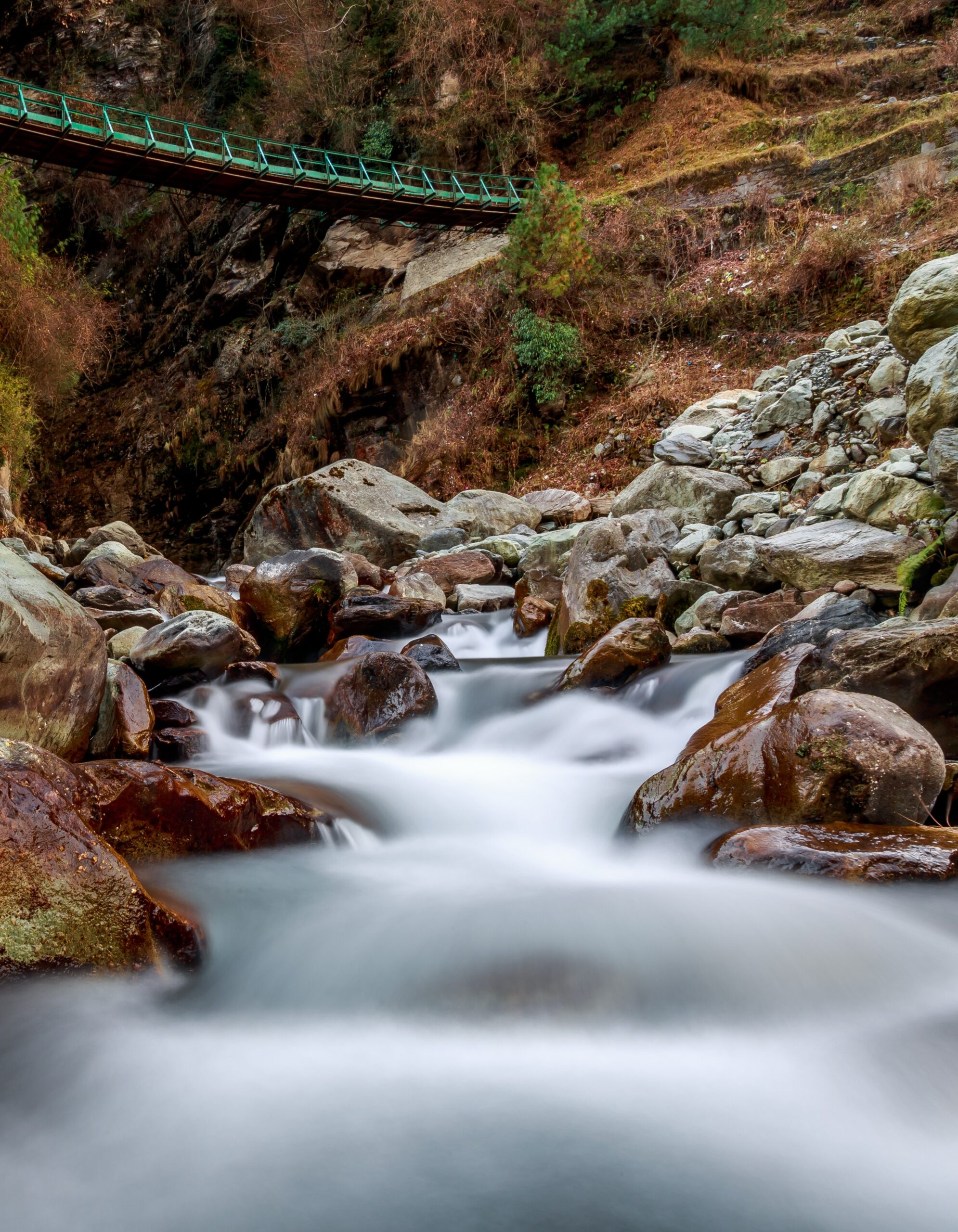
Noori Chamb is associated with Mughal Queen Noor Jahan and Emperor Jahangir
Another attraction is Nandishool Waterfall, located around 12 km from Loran and 6 km from Sultan Pathri. Fed by water from the Pir Panjal mountains, the waterfall is approximately 46 metre high. Its location also creates opportunities to combine a visit with trekking and exploration of the surrounding landscape.
For visitors interested in high-altitude landscapes, Girgan Dhok offers access to a group of alpine lakes, including Sukhsar, Neelsar, Bhagsar, Katorasar, Kaldachnisar and Nandansar. Located at approximately 3,658 metres in the Buffliaz belt, the lakes are surrounded by mountain slopes and snow-covered peaks. Nandansar, one of the largest lakes in the group, is particularly relevant for trekking and camping itineraries.
The surrounding Pir Panjal range also offers opportunities for longer mountain expeditions. Tatakuti, rising to approximately 4,743 metres, is among the peaks that attract trekking and mountaineering interest. These high-altitude routes are suitable for experienced trekkers with proper preparation, local guides and arrangements for changing weather conditions.
Also Read: Gurez Valley: Trekkers’ untouched haven in Kashmir
Mughal Road, village trails and heritage
The historic Mughal Road provides another way to explore Poonch. Connecting the district with Shopian in the Kashmir Valley, the route passes through Buffliaz, Behram Galla, Chandimarh, Poshiana and Pir Ki Gali. Travellers can stop at mountain viewpoints, explore surrounding meadows and experience the landscapes along the Pir Panjal range.
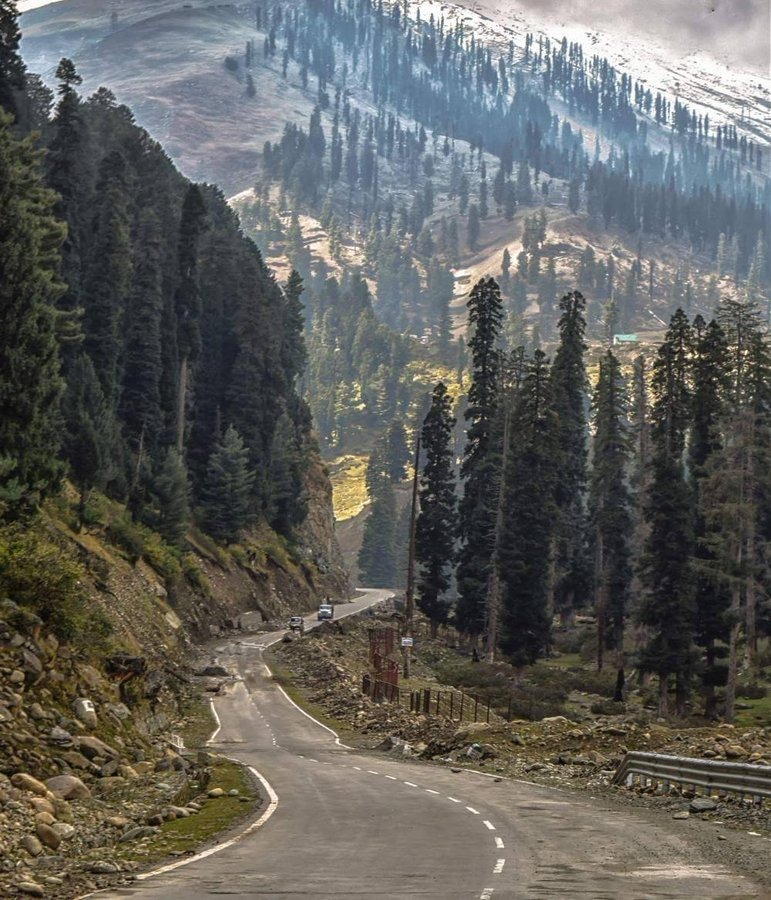
The historic Mughal Road provides another way to explore Poonch. Connecting the district with Shopian in the Kashmir Valley (Photo: JK Tourism)
At around 3,505 metres, Pir Ki Gali is an important stop on the route, with access to surrounding mountain meadows and trekking areas. The road also provides access to Sarimastan and Girjan meadows. The route can be included in road trips linking Poonch with the Kashmir Valley.
Loran, around 35 km from Poonch town, offers another combination of nature and history. Situated at the foot of the Pir Panjal mountains, the village is known for the Loran Nallah, which flows through the valley. It was once the capital of Poonch under Hindu rulers until 1542 and was known as Loran-Kote. The ruins of Lohar Kote fort provide an additional point of interest for visitors exploring the district’s historical connections.
Other places are Mandi, around 20 km from Poonch town, and Than Pir, situated in the Mandi area. Mandi offers access to the Swami Budha Amarnath temple, while Than Pir combines religious significance with mountain views overlooking the surrounding valleys.
Poonch’s tourism potential extends beyond sightseeing. Its forests, mountain passes, meadows and alpine lakes provide opportunities for guided trekking, nature walks, birdwatching, camping, photography and mountain exploration.
The district administration has identified several trekking routes, including Poonch to Nandishool through Loran and Sultan Pathri, Poonch to Gulmarg through Jamia Gali, and routes connecting the Nandansar lakes with the Kashmir Valley.
Also Read: Five offbeat places to explore in Kashmir
Food could become another part of Poonch’s tourism offering. Located at the intersection of Pahari, Dogra and Kashmiri cultural influences, the district has an opportunity to introduce visitors to traditional household meals and regional ingredients.
Local food experiences could include makki ki roti (maize flatbread), saag (cooked leafy greens), kalari (traditional regional cheese), rajma (kidney beans) and rice, accompanied by traditional tea. Kalari, a cheese speciality associated with Jammu and Poonch, is particularly worth promoting through local food stalls and homestays to introduce visitors to the region’s culinary heritage.
Poonch is accessible by road from Jammu, approximately 240 km away, with the journey taking around six to seven hours by public transport. The nearest airports are Jammu and Srinagar, while Jammu Tawi is the nearest major railway station. The Mughal Road provides an alternative connection to Srinagar.