
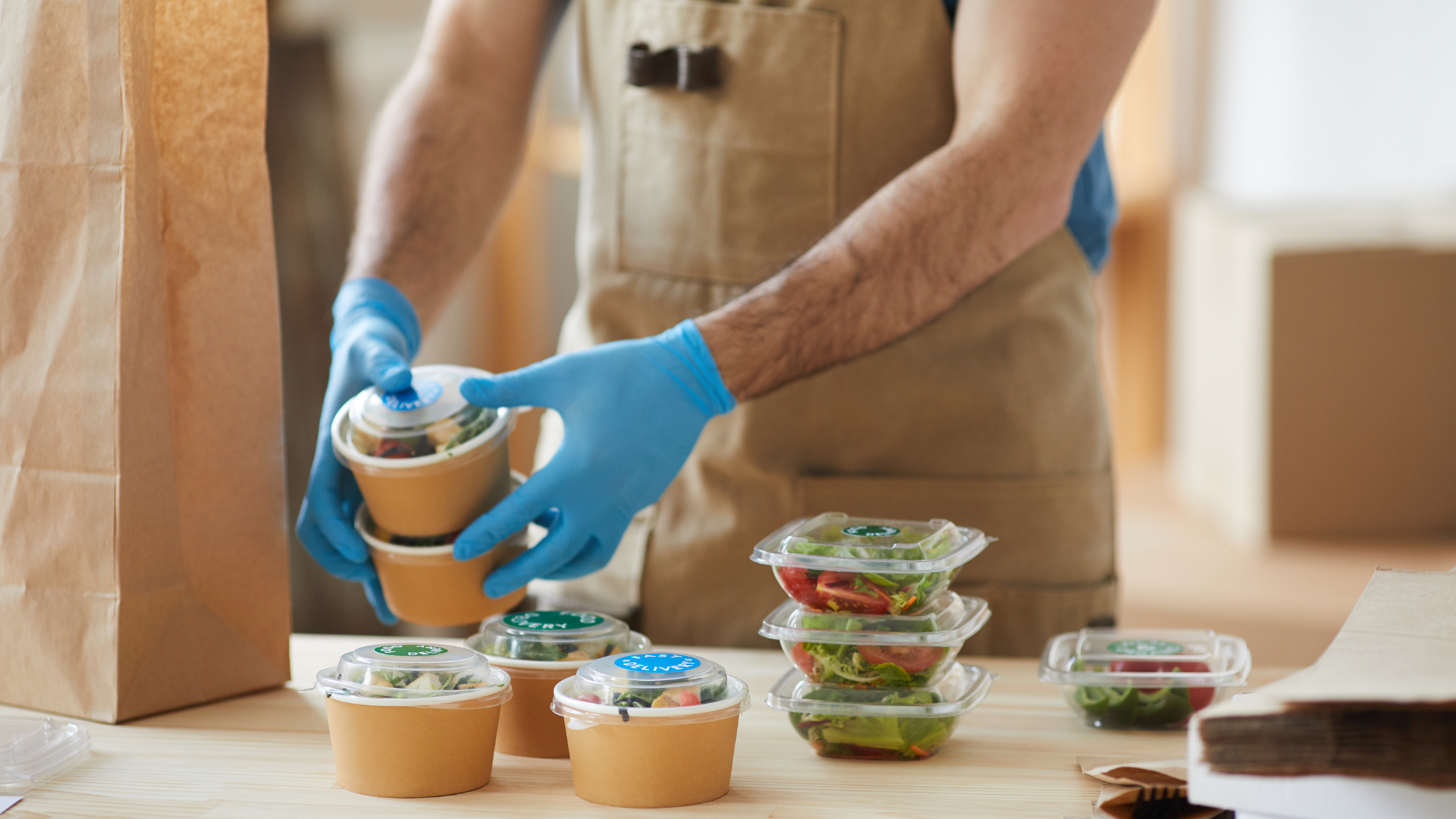
With over 690 million internet users, ordering meals through apps has become a daily habit for many Indian households (Photo: Canva)
A quiet revolution is reshaping the way Indians eat. With changing urban lifestyles, a surge in food delivery app usage, and the growing demand for convenience, cloud kitchens, also known as ghost or dark kitchens, have emerged as one of the most significant trends in India’s food service industry.
These delivery-only kitchens, that have registered a rapid growth according to various market research firms, operate without dine-in facilities, focusing entirely on online orders placed through platforms like Swiggy and Zomato.
A new business model
Several forces are driving the rise of cloud kitchens in India. The most immediate is the boom in online food delivery, made possible by widespread access to the internet and smartphones.
With over 690 million internet users, ordering meals through apps has become a daily habit for many Indian households. Platforms like Swiggy and Zomato now cater to tens of millions of monthly users, creating a massive digital ecosystem that cloud kitchens can plug into without investing in expensive real estate or customer-facing infrastructure.
Urbanisation and lifestyle changes are also fuelling this growth. In cities, long work hours and smaller households often mean that people prefer the convenience of ordering food rather than cooking at home.
The Covid-19 pandemic fuelled this shift, forcing dine-in restaurants to transition toward delivery-only models. Cloud kitchens, designed for efficiency and speed, found their footing during this period and have continued to thrive ever since.
“I prefer ordering food online rather than going to a restaurant. It is more comfortable and convenient. These days there are hundreds of options available on apps like Swiggy and Zomato. The delivery time is also very quick,” Arsh Khanna, a student living in Delhi, tells Media India Group.
One of the key advantages of cloud kitchens is their lower operational cost. Without the need for customer seating, interior design, or front-of-house staff, cloud kitchens are far cheaper to set up than traditional restaurants. According to BlueWeave Consulting, setting up a cloud kitchen can cost nearly one-third of a typical dine-in outlet.
Technology is central to the cloud kitchen model. Operators rely on digital tools for inventory tracking, order management, and kitchen workflows. Some companies use advanced analytics help them adjust menus, forecast demand and optimise delivery routes.
“Every order received and completed has a process. Point Of Sale (POS) systems help ensure we capture data which we can analyse at any time. It helps us see what products and systems work and what needs to be changed or implemented. Data analytics help improve the system and is an ongoing process at any organisation. You can learn from your mistakes,” Abhinav Vazandar, owner of Kink Coffee, a cloud first coffee brand, based in Bengaluru tells Media India Group.
In recent years, India has seen a wave of both independent and large-scale cloud kitchen operators. Rebel Foods, for example, runs well-known brands like Faasos and Behrouz Biryani and has over 450 kitchens globally. Other players such as FreshMenu, Box8, and Biryani By Kilo are also expanding, particularly in cities like Bengaluru, Chennai and Hyderabad, which offer strong demand and robust delivery networks.
Despite its promising outlook, the cloud kitchen model faces several challenges. Ensuring consistent hygiene and food safety standards can be difficult without a physical dining space to reassure customers and reports of lapses in some locations have raised concerns.
Additionally, operational complications with aggregator platforms like Swiggy and Zomato, ranging from high commission fees to delivery issues, further add to the strain on cloud kitchen operators.
“The biggest operational challenge we face is delivery executive assignment to the orders. Since the aggregator platforms use an automatic assignment system, the delivery timings get affected as most riders come later than the preparation time,” adds Abhinav.
