
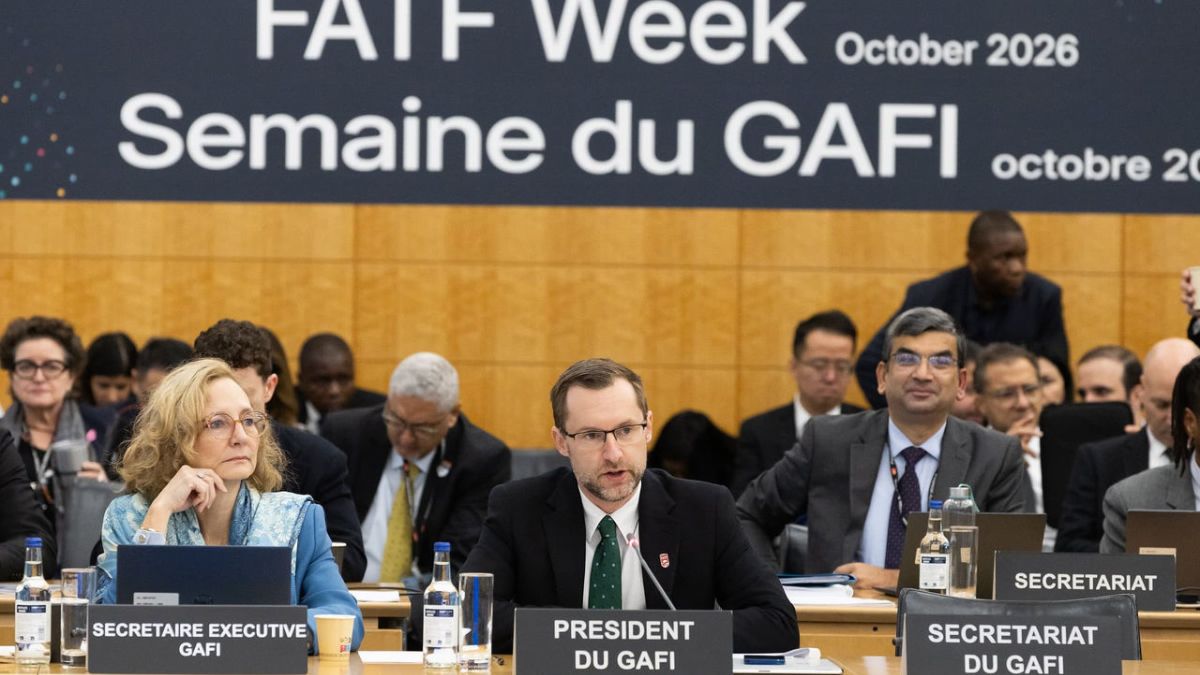
FATF adopted the measures at its October Plenary to strengthen support for low-capacity countries combating financial crime (Photo: FATF)
The Financial Action Task Force (FATF), a global money laundering and terrorist financing watchdog, has agreed to introduce a more tailored assessment framework for least developed countries to help strengthen financial integrity, improve institutional capacity and support more effective implementation of anti-money laundering, counter-terrorist financing and counter-proliferation financing (AML/CFT/CPF) measures.
In a press statement, FATF says the measures were adopted at its October 2026 Plenary following a project co-led by the World Bank and South Africa, which examined how FATF and its Global Network could better support Low-Capacity Countries (LCC) in combating money laundering, terrorist financing and proliferation financing. The project involved interviews with experts, a review of findings from FATF’s country assessments conducted between 2014 and 2025, and an extensive literature review.
The project found that 84 pc of assessed AML/CFT outcomes across the world’s least developed countries, as defined by the United Nations, were rated as having low effectiveness, despite many countries having established sound legal frameworks over the past decade. The gap between legislation and implementation reflects wider development challenges, including weak institutional frameworks, limited rule of law, governance gaps, lack of institutional autonomy and transparency, high levels of informality and, in some cases, conflict and political instability.
The findings also highlight that 93 pc of informal employment is concentrated in low-capacity countries and similar economies, further complicating efforts to implement effective financial crime controls and establish transparent financial systems.
FATF says there is no one-size-fits-all approach to building effective AML/CFT systems, as low-capacity countries face different institutional, economic and political challenges. Political will remains critical to advancing reforms, while FATF country assessments and recommendations can help mobilise political leadership and focus attention on areas requiring urgent action. However, reforms need to be linked to countries’ wider economic and development priorities to ensure political commitment continues beyond the evaluation process.
The project also emphasised the need for assessments to prioritise a narrower set of high-impact reforms, including ensuring the autonomy of key AML/CFT agencies, strengthening criminal justice systems and implementing effective anti-corruption measures. Depending on country circumstances, priorities may also include addressing financial exclusion, improving transparency of company ownership, and strengthening digital infrastructure and data capacity.
Under the new measures, FATF will introduce a more tailored approach to assessments for a subset of least developed countries, taking greater account of country-specific risks, structural constraints and development contexts. The approach will focus on areas of greatest need, prioritise reforms based on their potential impact and provide additional guidance on sequencing reforms where appropriate.
For other low-capacity countries, FATF will strengthen assessor training to promote a more risk- and context-based approach, using the flexibility available under its existing standards to ensure assessments and recommendations are targeted, actionable and focused on the highest risks.
The organisation will also use its convening role to encourage dialogue among members of its Global Network, technical assistance providers and donors on effective capacity building in low-capacity countries. This will include continued discussions between AML/CFT and development communities on the role of financial integrity in sustainable development. Building on efforts to strengthen the voice of its nine FATF-style regional bodies, the organisation will also continue integrating the perspectives of low-capacity countries into policy development and guidance.
FATF says structural reforms in low-capacity countries are likely to take time and will require longer-term engagement and support. It will work with its Global Network to implement the agreed measures, including the tailored assessment approach, consider whether additional countries could benefit from it and review progress during the UK Presidency of FATF from this year to 2028.

Giles Thomson
“The FATF standards are universal, but countries face different risks and capacity constraints. Building on the risk-based approach that the FATF has enhanced through its fifth round of evaluations, we are refining how assessments operate for lower-capacity countries to focus on the most significant risks and the actions most likely to make a difference. This matters because effective AML/CFT systems are crucial to helping countries safeguard the resources they need for public services and strengthen the foundations for long-term economic growth and stability,” says Giles Thomson, President, FATF.
“The LCC project is a significant milestone in recognising the challenges faced by low-capacity countries in implementing effective AML/CFT/CPF regimes. For many smaller and lower-capacity jurisdictions in the Asia/Pacific region, building effective AML/CFT/CPF systems is a long-term endeavour. The tailored assessments will allow the mutual evaluation process to better reflect the risk profiles, capacity constraints and development context, helping drive more targeted reforms and stronger outcomes for the region as a whole,” says Henna Goodrick, Director of Follow-Up Processes, Asia/Pacific Group on Money Laundering (APG).
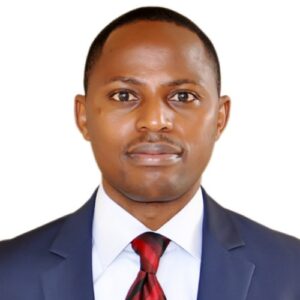 “Tailored assessment is a commendable and feasible initiative. It will address the structural and resource constraints of low-capacity countries in GIABA region while upholding the risk-based approach. I look forward to its implementation,” says Giwa Sechap, Director of Evaluations and Compliance, Inter Governmental Action Group Against Money Laundering in West Africa (GIABA).
“Effective action against money laundering and terrorist financing must take account of the realities countries face. With this in mind, the outcomes of this project represent an important step towards ensuring that the global fight against financial crime works for countries with very different capacities and circumstances. By focusing assessments on the areas of greatest risk and impact, we can create pathways for low-capacity countries to concentrate limited resources on the risks and reforms that matter most, supported by more targeted technical assistance and longer-term engagement. This represents an important shift towards assessments that not only identify weaknesses but help countries build sustainable institutional capacity and achieve lasting improvements in their financial integrity. The approach maintains the integrity of the FATF Standards while recognising that sustainable reform takes time. Ultimately, this is about building stronger, more effective AML/CFT systems that deliver lasting results,” says Pieter Smit, project co-lead and Executive Manager.

Ailsa Hart
“This FATF work has the potential to make a big difference for least developed countries, by helping authorities to focus on areas of highest risk and impact, and by deepening the consideration of country context in AML/CFT assessments. The World Bank will continue to support this work as the FATF global Network now moves to implement the tailored approach in practice,” says Ailsa Hart, project co-lead and Senior Financial Sector Specialist with the World Bank’s Financial Integrity and Stability team.
