
These initiatives aim to address pollution, overuse of natural resources, and invasive species across three continents: UN
To advance the restoration of five million hectares of marine ecosystems, an area roughly equal to the size of Costa Rica, the UN Environment Programme (UNEP) and the Food and Agriculture Organisation (FAO) have announced 1st World Restoration Flagships at the 3rd UN Ocean Conference.
In a press statement, UN says that these initiatives aim to address pollution, overuse of natural resources, and invasive species across three continents.
It adds that these recognised initiatives include efforts in the Northern Mozambique Channel Region, over 60 islands in Mexico and the Mar Menor lagoon in Spain. These projects are now eligible to receive UN support under the UN Decade on Ecosystem Restoration.
As per statement, UN says that the World Restoration Flagship awards, as part of the UN Decade on Ecosystem Restoration, support global goals to restore 1 billion hectares of degraded ecosystems by 2030.
The statement says that the Northern Mozambique Channel contains 35 pc of the coral reefs in the Indian Ocean. This area is affected by agricultural run-off, overfishing and climate change.
According to the statement, the UN organisation says that Comoros, Madagascar, Mozambique and Tanzania are cooperating to manage and restore 87,200 hectares of interconnected land and sea through the creation of restoration corridors linking mangroves, coral reefs and forests, alongside efforts to improve fisheries management.
The statement says that this initiative through the World Wide Fund for Nature (WWF) and UN agencies’ support spans multiple locations and ecosystems. With sufficient financial support, the project aims to restore 4.85 million hectares by 2030. As a result, there will be a 30 pc increase in household income, create over 2,000 jobs and 12 new community-led businesses. The project also aims to incorporate traditional knowledge.
The UN says that existing mangroves in Madagascar store over 300 million tonnes of CO₂ equivalent, and restoration efforts are expected to further increase the region’s carbon absorption capacity. Mexico’s islands are recognised for their biodiversity, including one-third of the world’s seabird species.
According to the statement, 26 years ago, Mexico’s National Commission for Natural Protected Areas (CONANP) and the Grupo de Ecología y Conservación de Islas (GECI) launched an ecological restoration programme. The initiative includes the removal of 60 populations of invasive species, the restoration of seabird colonies and forest landscapes, and the implementation of biosecurity protocols.
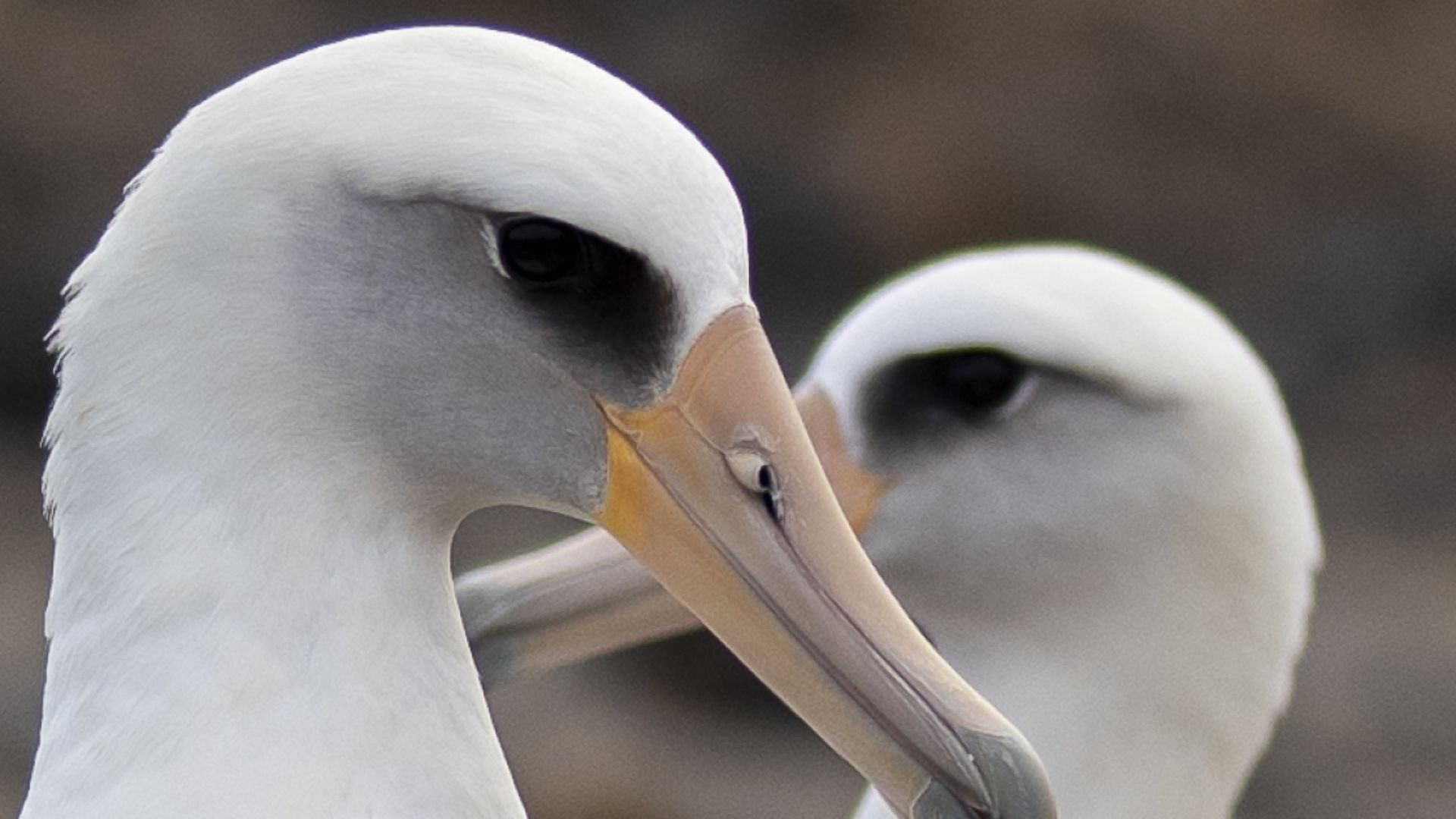
UN says that as a result, 85 pc of previously extirpated seabird colonies have returned. By 2030, the programme aims to restore over 100,000 hectares across nearly 100 islands. Local communities are engaged in the initiative, which supports sustainable fisheries, ecotourism, and adaptation to extreme weather events.
The UN organisation says that the Mar Menor is Europe’s largest saltwater lagoon, supporting tourism, small-scale fishing and a unique ecosystem. However, agricultural nitrate run-off and other pollutants have contributed to its degradation. In response, public mobilisation and a legislative initiative granted the lagoon legal personhood, enabling the application of relevant legal processes.
The statement adds that the Spanish Government has launched the Framework of Priority Actions to Recover the Mar Menor (MAPMM), which consists of 10 action areas and 28 measures. These include building wetlands, promoting sustainable agriculture, developing a green belt, cleaning up mining sites, managing flood risk and improving biodiversity.
The restoration target covers 8,770 hectares, representing 7 pc of the basin and contributes to Spain’s national goal of restoring 870,000 hectares by 2030. The green belt alone is expected to absorb more than 82,256 tonnes of CO₂ by 2040.
