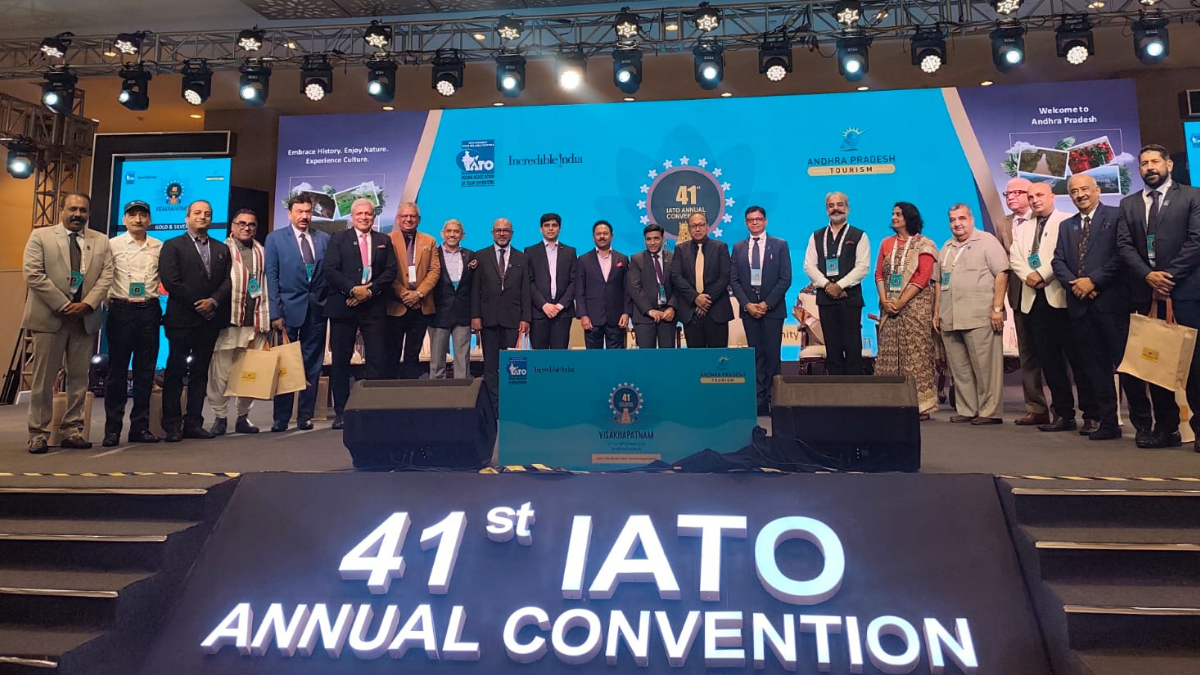
41st Annual Convention of the Indian Association of Tour Operators concluded in Visakhapatnam
Making India’s tourism system work better, rather than simply spending more, emerged as a central message as the 41st Annual Convention of the Indian Association of Tour Operators (IATO) concluded in Visakhapatnam. The discussions centred on reducing friction for international visitors, using digital tools across the travel journey, improving the use of existing tourism assets and creating new products, while strengthening cooperation between government, industry and destinations.
Concluding the convention, Suman Billa, Additional Secretary & Director General, Ministry of Tourism said India does not necessarily need to spend more to grow tourism, but needs to make the existing system work better.
“All of us are hardwired to think that if we have to do anything better, we need to spend money. But I think the thought process that all of us should have is given the limitations of what we have, can we make things work better? Can we remove friction? Can we make sure that things are used in a way that can yield optimum results?” he said.
Also Read: On Day 2 of IATO Convention, industry calls for stronger inbound tourism
Billa cited extending the operating hours of existing attractions, opening up the night economy and providing tourists access to golf courses as examples of ways to create more experiences without necessarily developing new projects.
He also identified the visa process as an area where reducing friction could have a direct impact. “A lot of times it is not essential to spend money. Removing friction from the process probably yields a greater, if not an equal, amount of result as opening a new project or building something new,” he said.
Billa also outlined the Ministry of Tourism’s work on an India digital tourism stack, built around four areas aimed at making the visitor journey more seamless.
One proposal is to use a QR code containing a traveller’s details so that international visitors do not have to repeatedly produce their passports for services such as hotel check-ins. Another is a digital wallet linked to an international traveller’s credit card that would enable them to use UPI for payments.
“This is the convenience that we need to bring. And if we do that, we will also have data at every touch point where the tourist is spending money,” Billa said, adding that such a system could eventually help facilitate tax refunds for international tourists.
The third element involves using technology similar to Digi Yatra at monuments and attractions to reduce queues, while the fourth focusses on bringing tourism products and service providers onto the ONDC platform. Billa said this could allow tour operators to discover and package vetted services more easily.
Also Read: 41st IATO Annual Convention opens in Visakhapatnam
“In India, we have no shortage of attractions. In India, we do not have shortage of tourists. The idea and the feeling is that we are not able to create all of that into a very viable economic ecosystem,” he said.
Billa said there was no reason why India’s tourism economy could not become “10 times the size” it is today over the next five years, provided the industry and government begin acting on the ideas being discussed.
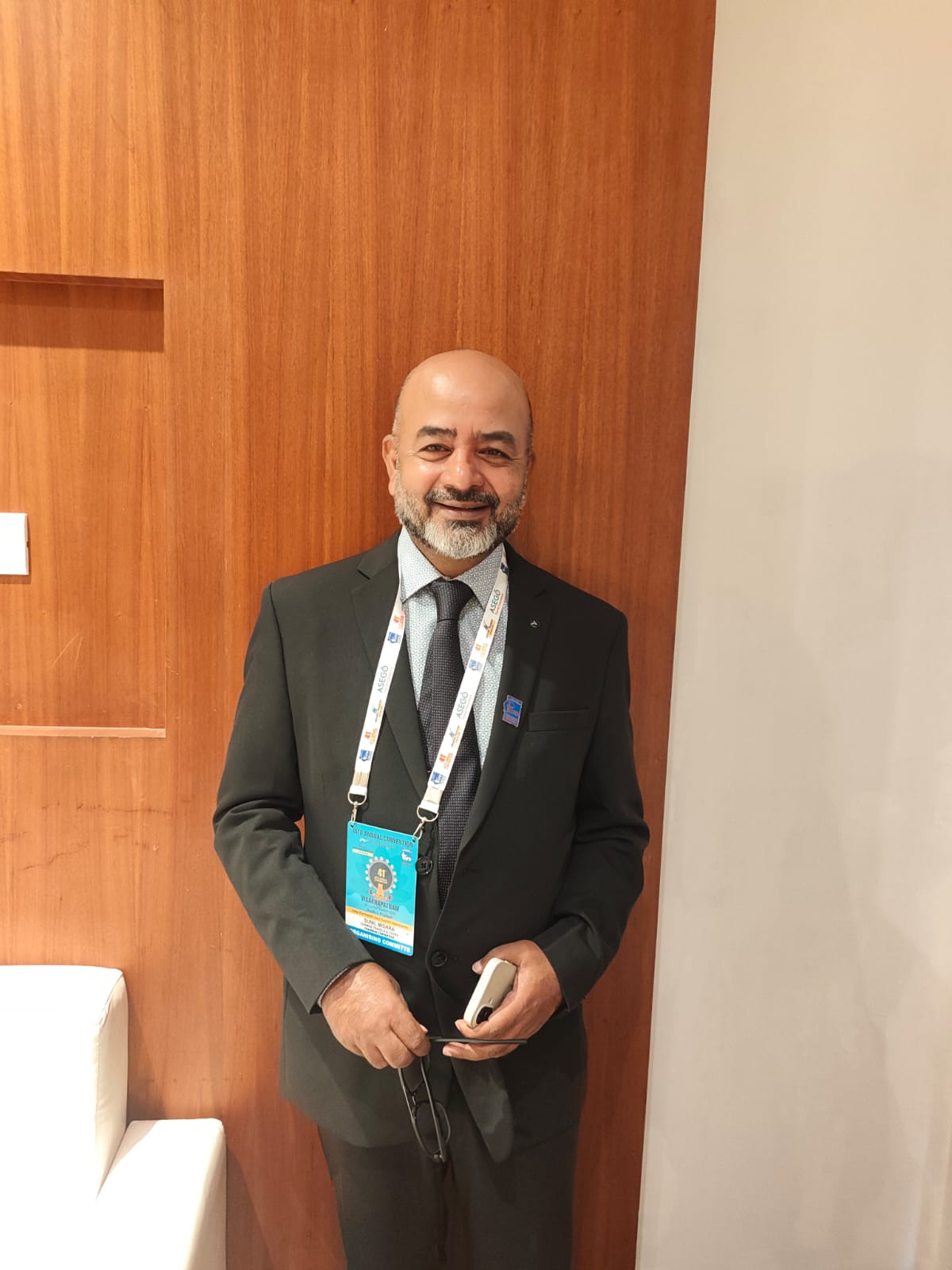
Sunil Mishra
He also used the closing session to underline Andhra Pradesh’s potential, urging delegates to explore the state through post-convention tours.
“Unfortunately, it has not been marketed as well before. So I urge all of you to take time out to travel this state. And I am sure that a few years from now, Andhra Pradesh will be amongst the front-running states in tourism,” he said.
For IATO, the convention was also intended to translate into business for the host state. Sunil Mishra, Honorary Secretary, IATO, says that the event could help local agents and hoteliers generate both domestic and international business.
“As the convention concluded today, I am 100 pc sure that the agents in Andhra Pradesh and the hoteliers in Andhra Pradesh will get more business, not only international tourism but domestic also through this convention,” Mishra tells India & You.
He says that the convention’s outcome should not be measured only through policy changes, pointing to the knowledge delegates gained from the sessions, including the use of AI in their businesses and itineraries.
“Whatever the key point is emerging from the discussion, they will be discussed in the Ministry of Tourism and other ministries also. But it is not only that this is translating into policies. There is a lot of knowledge delegates are getting and they can implement that knowledge into their itineraries and other things,” he adds.
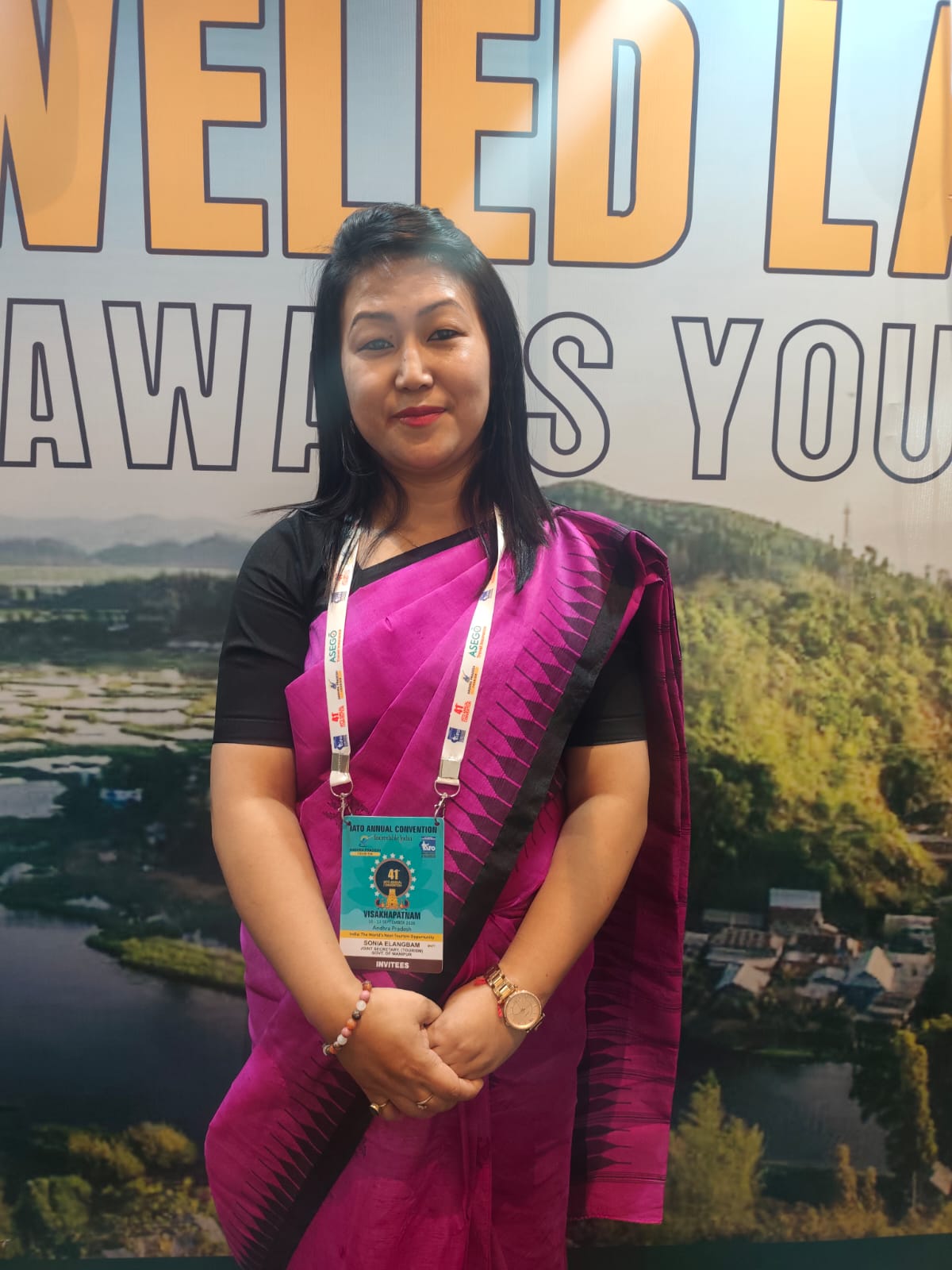
Sonia Elangbam
Mishra further says that IATO was also working on developing new circuits and connecting destinations across different regions, while building trust between travellers and tour operators through its membership standards.
Among the state representatives, Sonia Elangbam, MCS Joint Secretary, Tourism, Government of Manipur, used the convention to seek greater attention for the state’s tourism products. She says tour operators should associate Manipur with its polo heritage, Loktak, Keibul Lamjao and Sangai.
“We are going through a bad phase but with the help of the convention, IATO and everyone because the IATO members have visited Manipur last year. And they know it is safe,” Elangbam tells India & You.
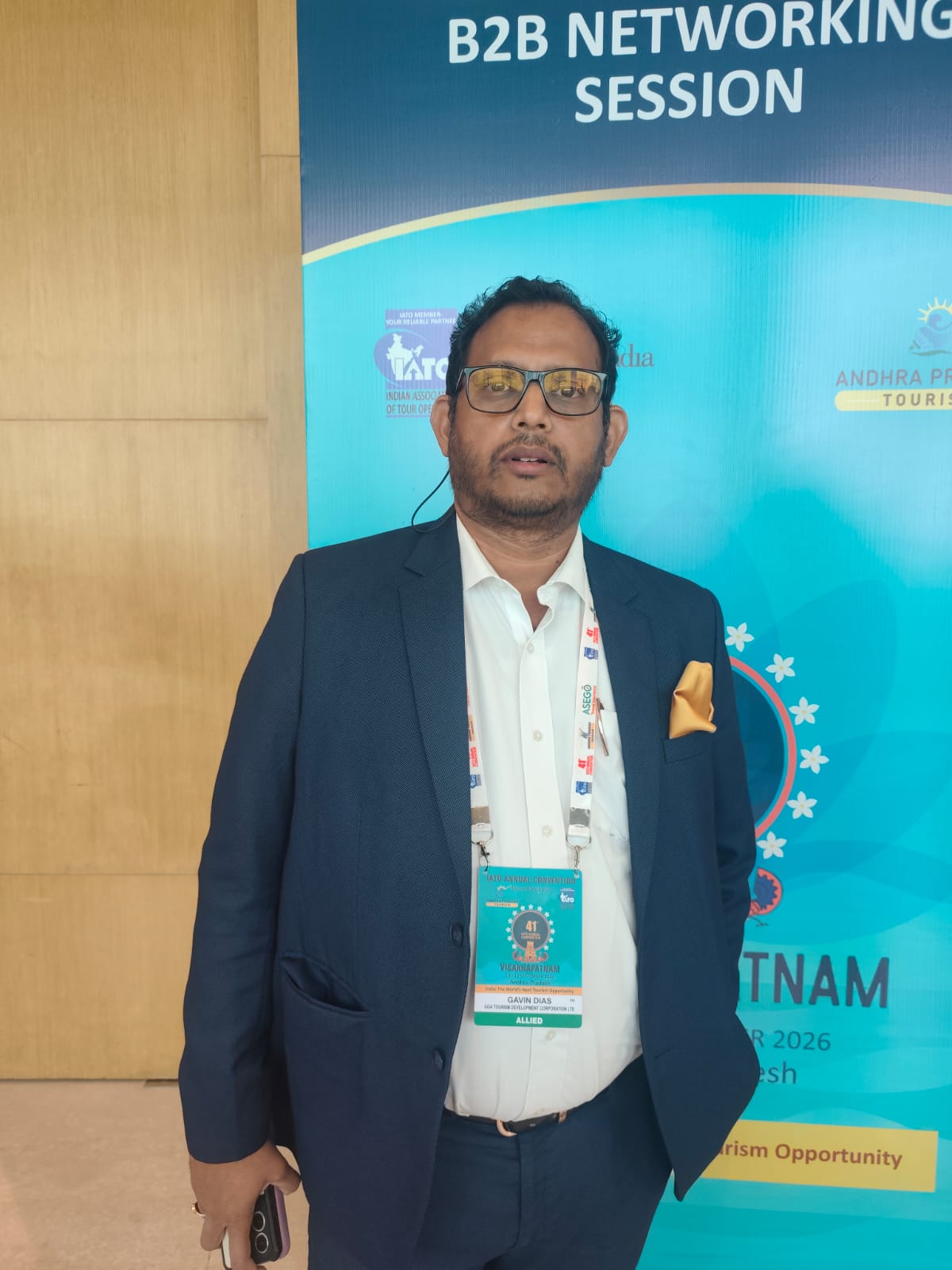
Gavin Dias
She says that Manipur could offer organised two-day, three-night trips and urged tour operators to work with local operators and the government. “Participating in the 41st Convention means that Manipur can host and welcome more tourists,” she adds.
Gavin Dias, General Manager, Goa Tourism Development Corporation, says that the conventions such as IATO were important because they brought tourism stakeholders together. He says Goa was working with the Central Government to attract both domestic and international visitors.
“Events like the 41st IATO Convention serve as a crucial platform for collective progress, bringing together trade associations, state governments, and central leadership to align strategy and drive India’s tourism growth. Every convention is a work in progress an opportunity to listen to stakeholder needs, strengthen public-private partnerships, and expand multi-destination circuits. By focussing on last-mile connectivity, safety, quality service, and regional synergies, IATO continues to pave the way for positioning India as a world-class travel destination,” Dias tells India & You.
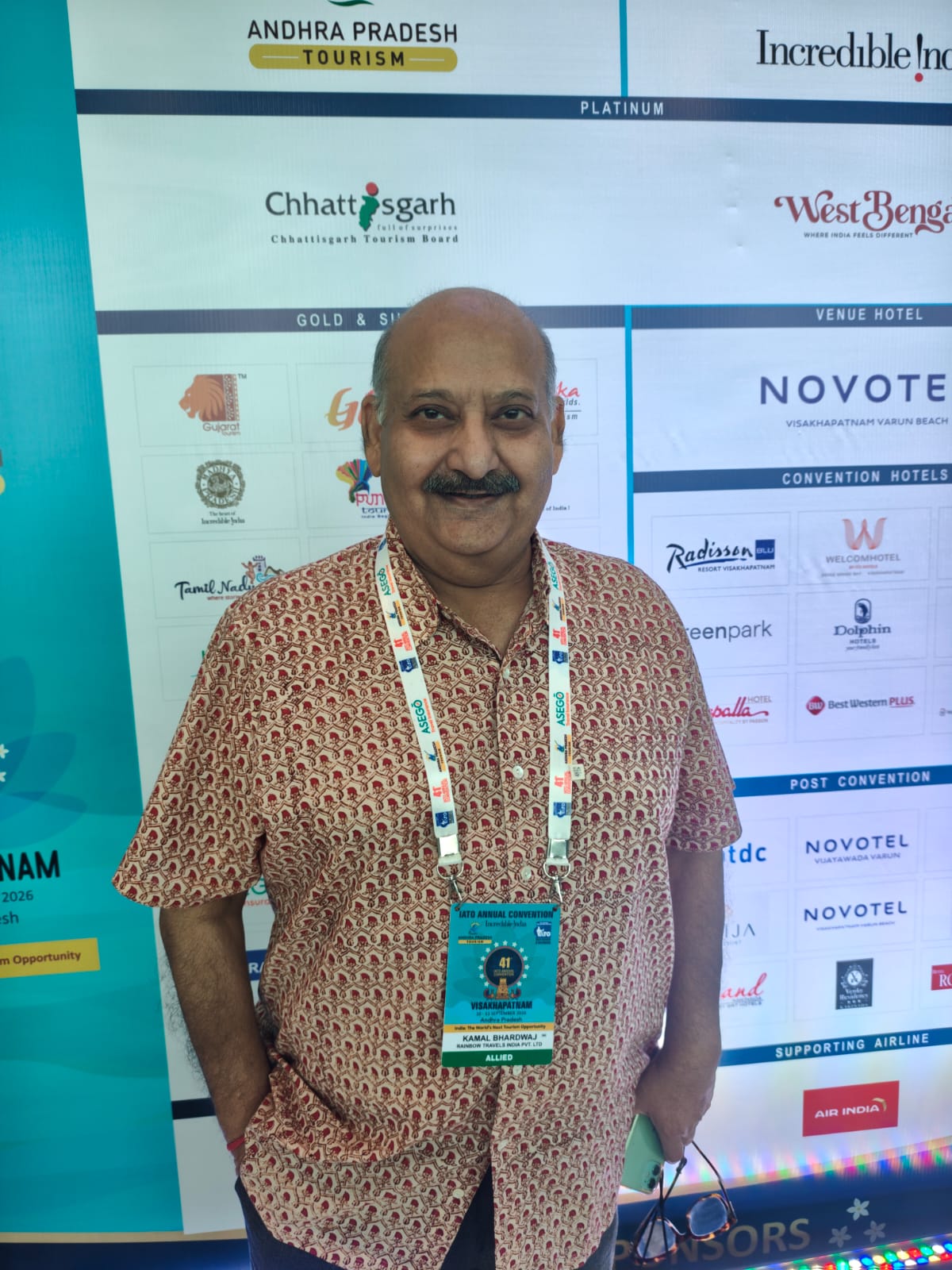
Kamal Bhardwaj
Sanjay Basu, Chairman, Far Horizon Tours India, says that the convention reinforced his view that inbound tourism had strong development potential if government and industry worked together.
“The direction that the industry is taking is proactive. There is an enthusiasm in the government, too. And I think collectively between the government and the industry, the potential for development of inbound tourism is very, very strong,” Basu tells India & You.
He called for new tourism verticals, including coastal cruising, saying that developing new products could open new international markets.
Kamal Bhardwaj, Director of Rainbow Travels identified AI as one of the major takeaways from the convention.
“AI is the takeaway of this convention,” he said, while also stressing that the industry must look at both inbound and domestic tourism as the domestic market continues to grow,” Bhardwaj tells India & You.
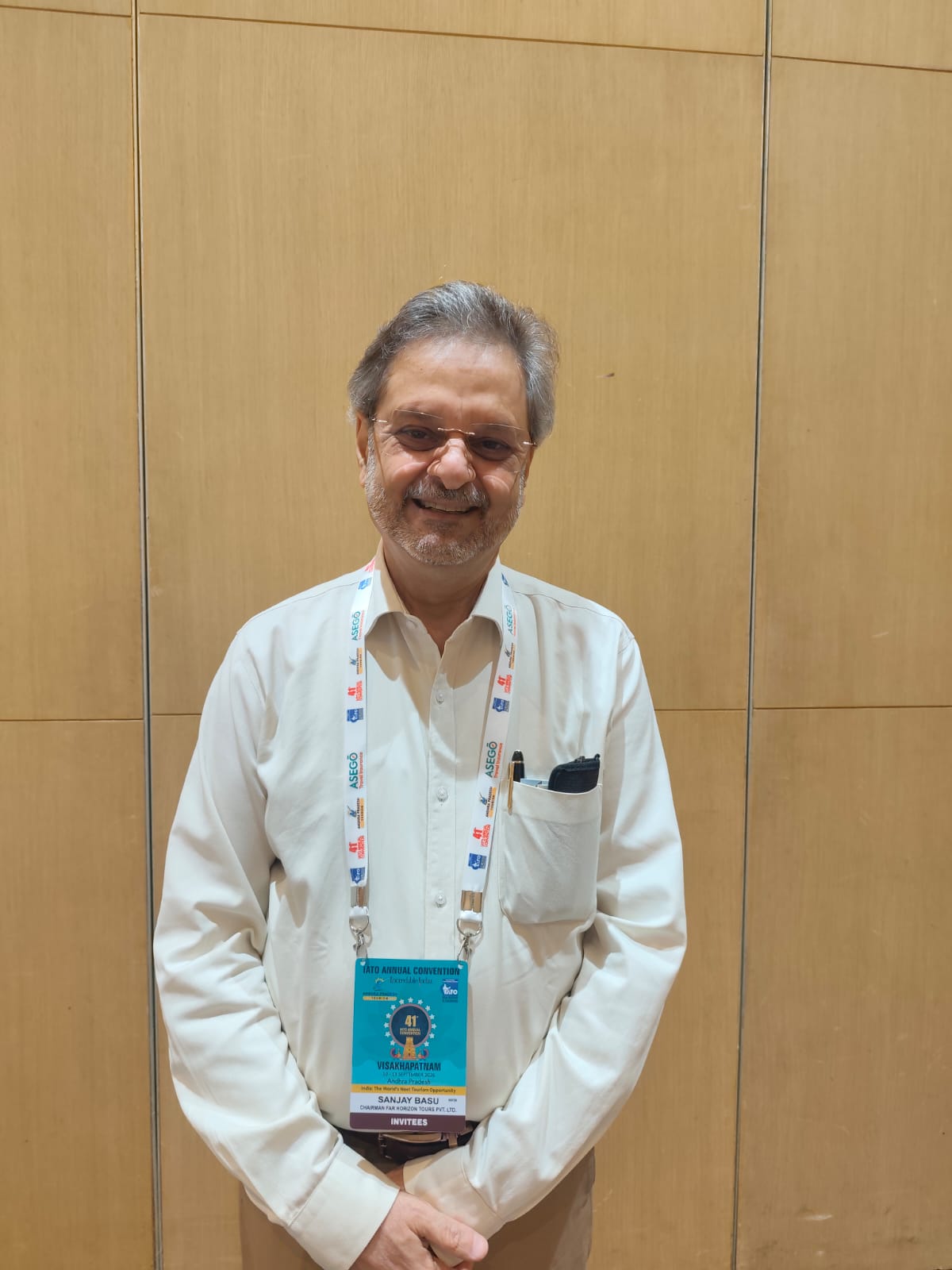
Sanjay Basu
Meanwhile, Nasir Shah, Chairman, IATO Jammu and Kashmir Chapter, says that the convention’s primary focus remained Andhra Pradesh, but says that Kashmir needed continued promotion and solidarity from the industry.
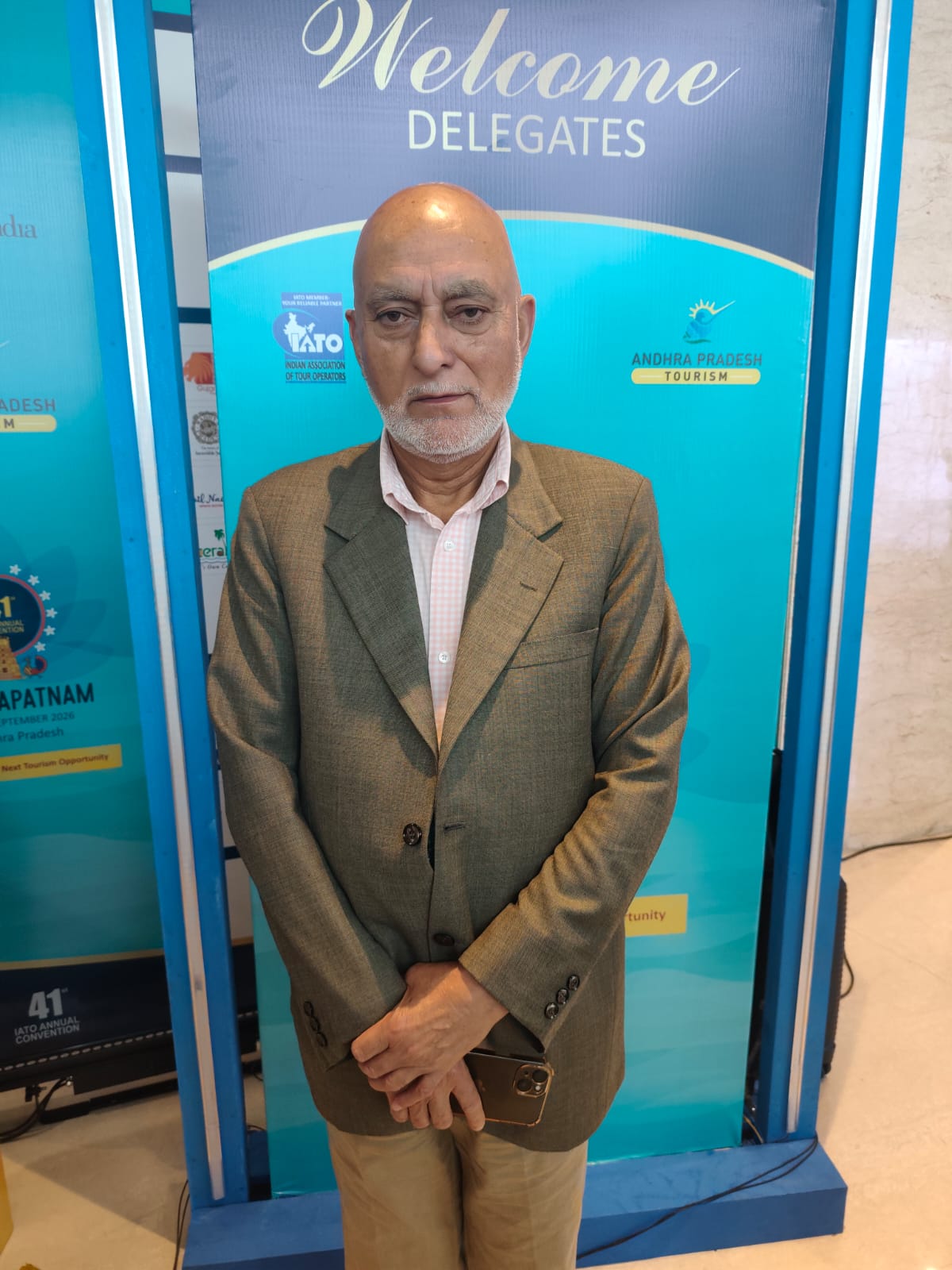
Nasir Shah
Also Read: Call for unified tourism promotion efforts at IATO Convention
“Honestly, there is nothing concrete for Kashmir from this convention because it is an Andhra Pradesh-centric convention. But it was a great event for networking, meeting fellow members and exchanging ideas with the industry. These conventions are about bringing the industry together and focusing on the host state. If the Jammu and Kashmir Tourism Department had participated, it could have used the platform to showcase newer destinations, routes, cultural centres and border tourism to around 1,000 tour operators. That opportunity was missed,” Shah tells India & You.
With the convention now concluded, the focus shifts from the ideas presented in Visakhapatnam to their implementation through better visitor systems, stronger trade cooperation, new products and greater international promotion.