These aircraft represent a new era of Indian capability, confidence, and clarity of mission
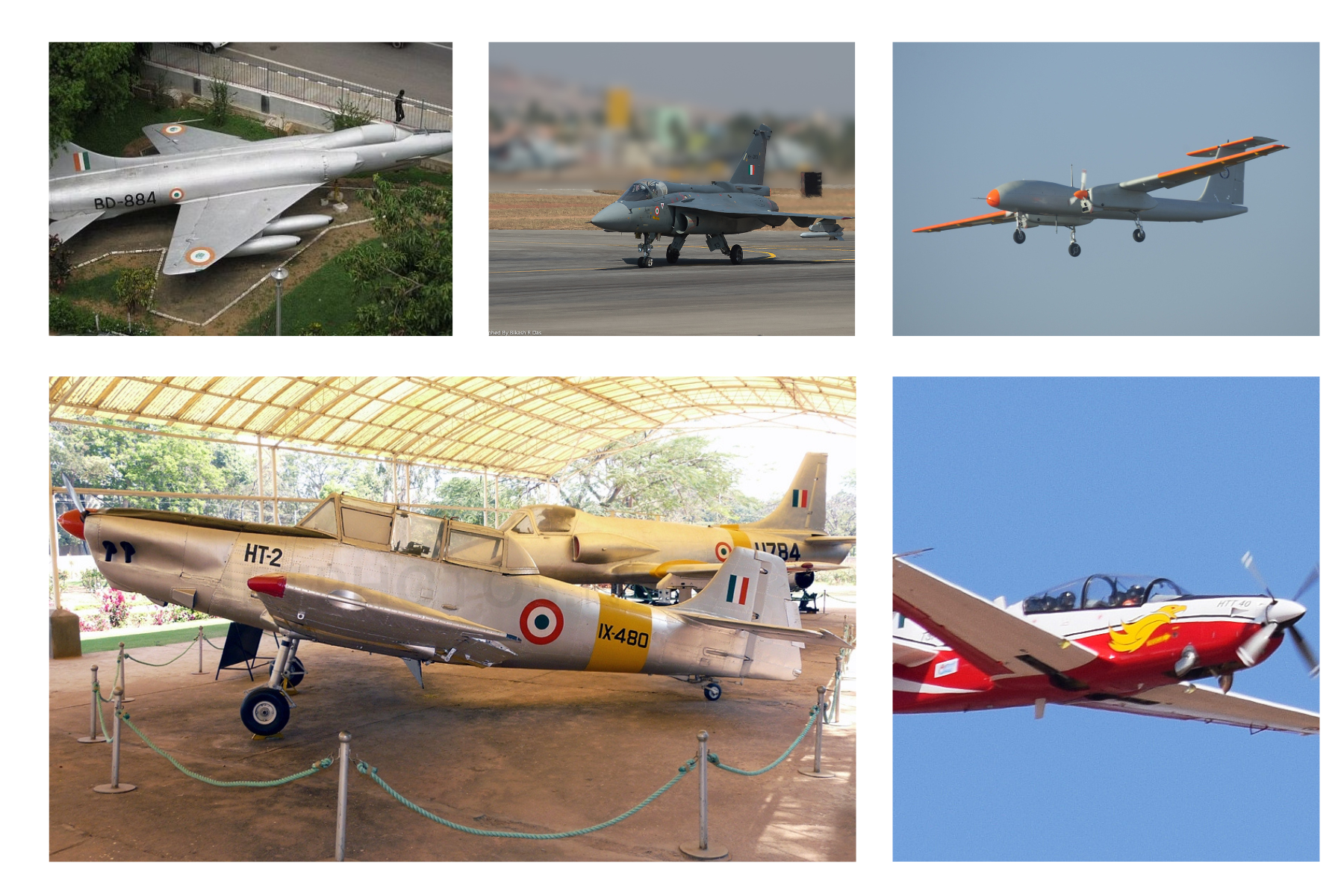
India’s quest for aerospace self-reliance has evolved over decades, transforming from modest beginnings into a strategic national priority. From the HT-2 trainer in 1953 to the Tejas fighter jet and TAPAS drone in 2016, the country has steadily built an indigenous aviation ecosystem. This journey reflects more than technological progress it signals a shift toward reduced foreign dependence, enhanced defence preparedness, and a clear vision for future airpower through homegrown innovation and capability.
This transformation is not just technological it is strategic. Each aircraft developed indigenously marks a deliberate step away from decades of dependence on foreign suppliers. These aircraft represent a new era of Indian capability, confidence, and clarity of mission.
Here is a look at the most significant aircraft that have defined India’s indigenous aviation journey past, present, and future.
1. HT-2: The beginning of an era (1953)
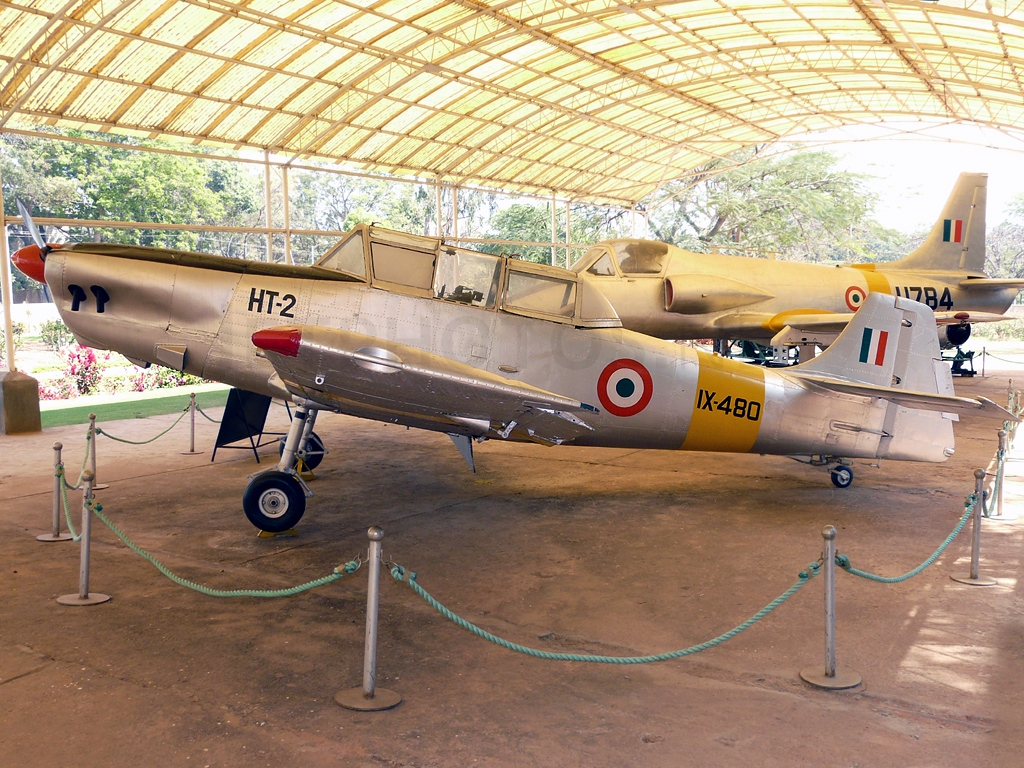
The HT-2 was primarily used to train rookie pilots in the Indian Air Force and Navy (Photo: Wikimedia commons)
India’s journey in indigenous aircraft manufacturing began with the HT-2, a basic piston-engine trainer developed by Hindustan Aeronautics Limited (HAL). It first flew in 1951 and entered service in 1953, becoming the first aircraft to be completely designed and built in independent India a major breakthrough for the country’s fledgling aerospace sector.
The HT-2 was primarily used to train rookie pilots in the Indian Air Force and Navy, offering a reliable, cost-effective solution with a simple yet sturdy design. Over 150 units were produced, and the aircraft remained in service for more than two decades, playing a key role in shaping India’s military aviation training programme.
What made the HT-2 even more significant was its export to countries like Ghana and Nigeria, marking India’s early presence in the global aviation market. Though modest in size and capability, the HT-2 laid the foundation for future indigenous aircraft, proving that India could build from scratch and build well.
2. Marut HF-24: India’s first fighter jet (1961)
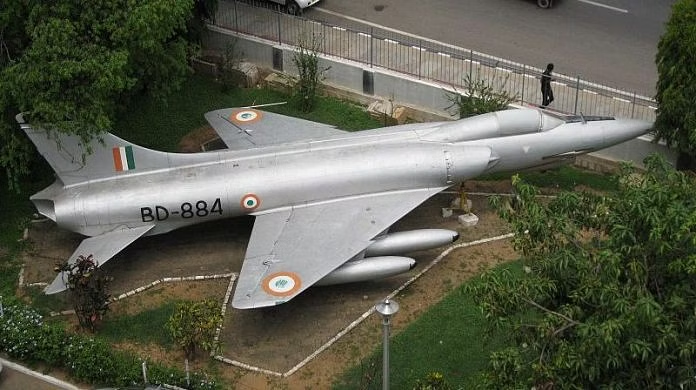
HF-24 was a bold and visionary leap for a young nation still establishing its industrial and technological base (Photo: Wikimedia Commons)
The HAL HF-24 Marut holds a special place in Indian aviation history as the country’s first indigenous jet fighter. Designed in the early 1960s by Hindustan Aeronautics Limited (HAL) under the guidance of legendary German aircraft designer Kurt Tank, the Marut marked India’s first attempt at building a supersonic-capable combat aircraft from scratch.
Although the aircraft’s full potential was never realised largely due to the unavailability of a powerful enough jet engine the Marut still proved its worth. It saw active combat during the 1971 Indo-Pak war, where it was deployed in ground-attack missions and showed impressive resilience in low-level strike roles.
Despite its limitations, the HF-24 was a bold and visionary leap for a young nation still establishing its industrial and technological base. It signalled India’s long-term commitment to building its own fighter aircraft and laid the groundwork for future programmes like the LCA Tejas.
3. Tejas: The flagbearer of indigenous airpower
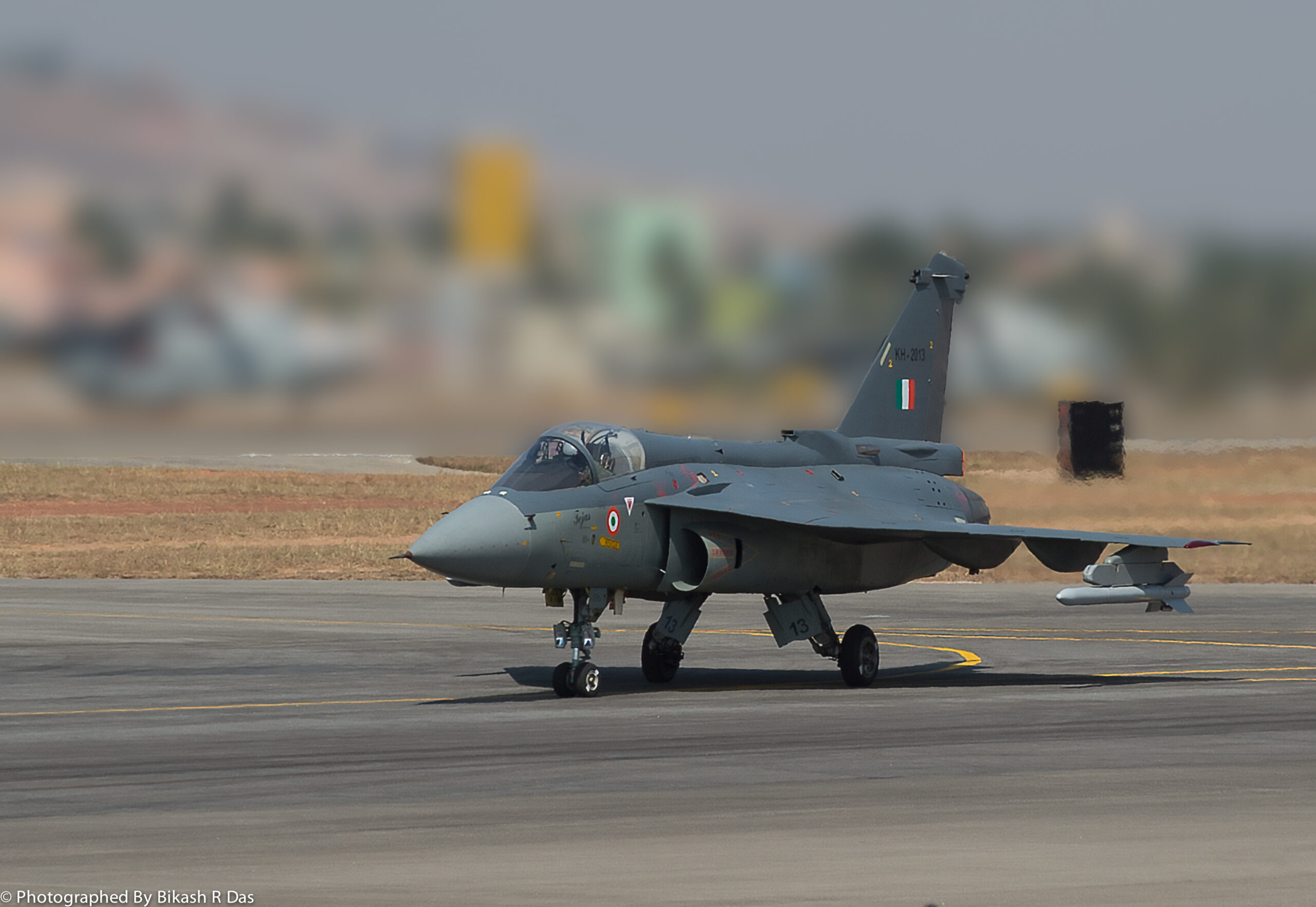
Tejas was officially inducted into the Indian Air Force in 2016 (Photo: Wikimedia)
In the 21st century, the HAL Tejas has emerged as the most defining symbol of India’s indigenous aerospace capabilities. A fourth-generation, multirole combat aircraft jointly developed by Hindustan Aeronautics Limited (HAL) and the Aeronautical Development Agency (ADA), Tejas is a lightweight, highly agile jet equipped with advanced avionics, fly-by-wire systems, and precision weaponry.
After years of development challenges and rigorous testing, Tejas was officially inducted into the Indian Air Force in 2016. With over 100 aircraft now on order, including the more advanced Tejas Mk-1A, the jet is gradually replacing the aging MiG-21 fleet and is poised to become a central component of India’s tactical airpower.
Its success has also captured global attention. Several countries in Southeast Asia, Latin America, and Africa have expressed interest in acquiring Tejas, positioning it not only as a symbol of national self-reliance but also as a viable export product in the global defence market.
4. HTT-40: Training the next generation
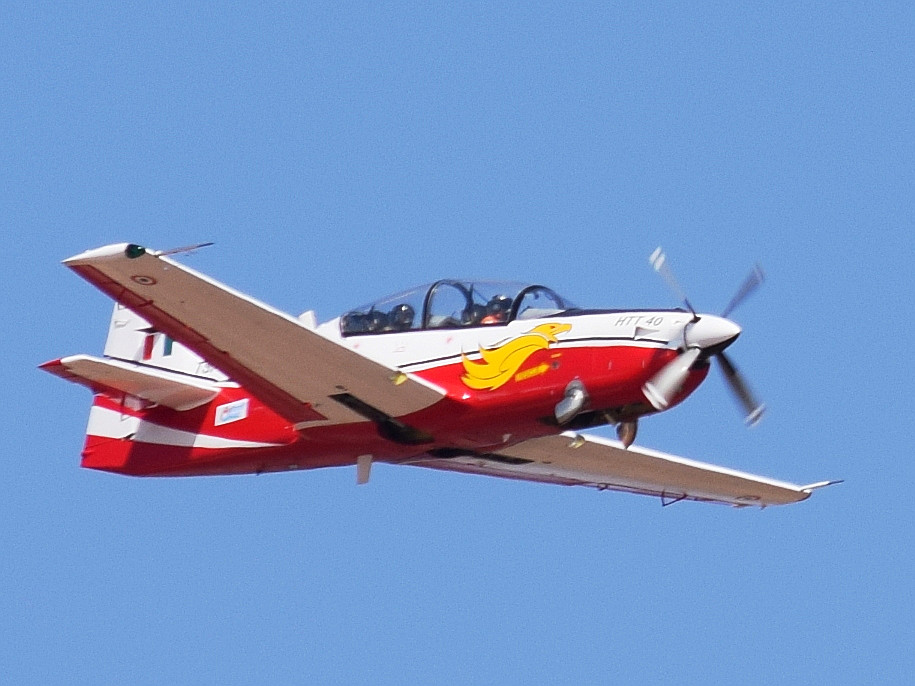
The Indian government placed an order for 70 HTT-40 aircraft worth INR 68 billion (Wikimedia Commons)
The HTT-40 represents a major leap in India’s effort to build self-reliance across every level of military aviation, starting with pilot training. Developed by Hindustan Aeronautics Limited (HAL), this turboprop basic trainer aircraft is designed to replace the Swiss-origin Pilatus PC-7 in the Indian Air Force’s training fleet.
Equipped with a glass cockpit, modern avionics, and an efficient airframe optimised for aerobatic performance, the HTT-40 provides a crucial platform for training rookie pilots before they graduate to more advanced aircraft. Its design emphasises safety, versatility, and ease of maintenance essential features for high-frequency training missions.
In 2023, the Indian government placed an order for 70 HTT-40 aircraft worth INR 68 billion. The move reflects India’s commitment to fulfilling even its foundational military requirements through indigenous platforms, further strengthening the domestic aerospace industry.
5. TAPAS-BH-201: India’s drone ambitions take flight
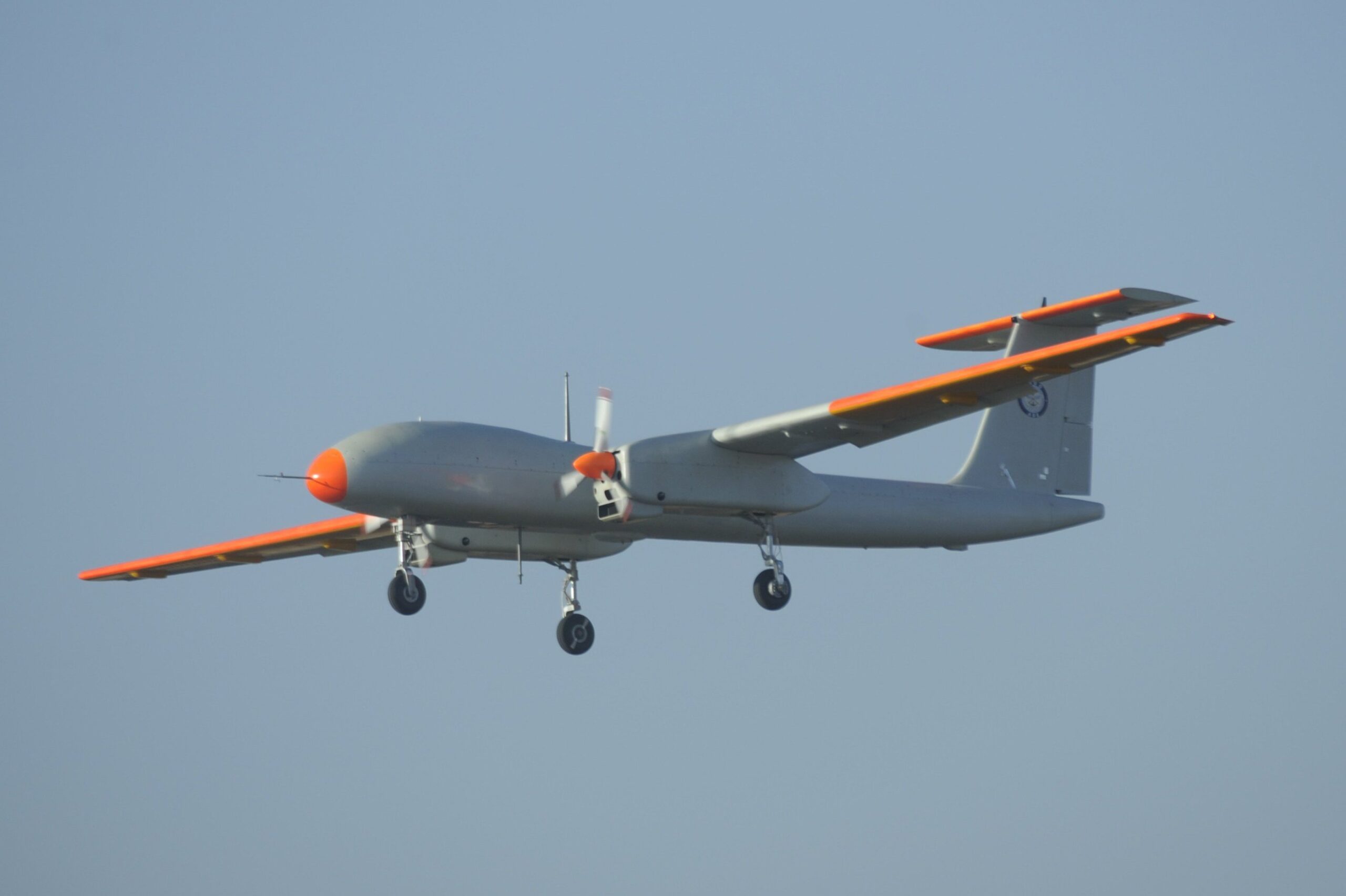
TAPAS is built to monitor India’s borders, coastlines, and critical infrastructure in real time (Photo: Wikimedia Common)
As modern warfare increasingly shifts toward unmanned systems, India has entered the fray with the TAPAS-BH-201, an indigenous Medium Altitude Long Endurance (MALE) UAV developed by the Defence Research and Development Organisation (DRDO). Designed for intelligence, surveillance, and reconnaissance (ISR) missions, TAPAS can fly at altitudes above 8.5 km and stay airborne for over 18 hours.
Equipped with a suite of advanced electro-optical sensors, synthetic aperture radar, and communication systems, TAPAS is built to monitor India’s borders, coastlines, and critical infrastructure in real time. It is capable of both day and night operations, and its endurance makes it well-suited for sustained surveillance over remote or contested areas.
Beyond its immediate tactical role, TAPAS serves as a stepping stone for more advanced unmanned systems, including combat drones like the upcoming Ghatak UCAV. It represents India’s growing capabilities in autonomous aerial platforms and is a key component of its push toward next-generation, tech-driven defence preparedness.