
India currently lacks a specific policy framework for climate-induced migration (Photo: Canva)
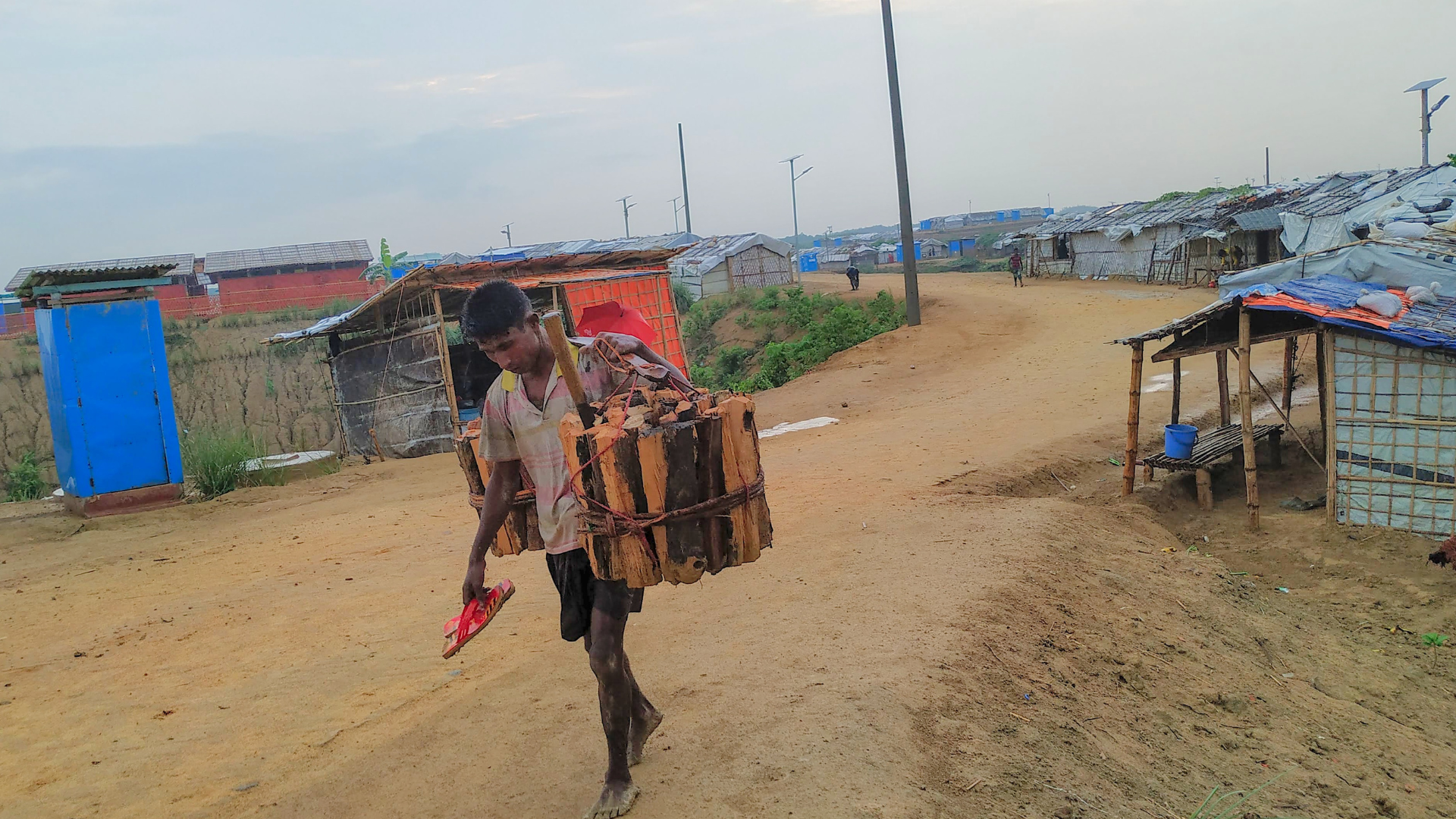
In recent years, India has witnessed a sharp increase in climate-induced disasters, with floods, droughts, cyclones and extreme heat events uprooting millions of people from their homes.
Vulnerable regions such as low-lying coastal areas and drought-prone inland states are particularly affected. According to the Global Report on Internal Displacement, prepared by Internal Displacement Monitoring Centre (IDMC), an international non-governmental organisation, India recorded 5.4 million internal displacements due to climate-related disasters in 2024, the highest in South Asia.
In states like Bihar, over 1.2 million people were displaced by severe floods from the Kosi and Ganga rivers, making it one of the hardest-hit regions in the country. These recurring floods continue to devastate agricultural lands, homes and infrastructure, forcing people to move repeatedly.
“My home is in Bhagalpur, Bihar, I moved to Delhi after the floods nearly destroyed everything for me. I have been cleaning cars since, my wife works as a house help in the same society,” Mohan Kumar, who washes cars in Delhi for a livelihood, tells Media India Group.
In contrast, Maharashtra and Karnataka have experienced prolonged droughts, which have had a severe impact on farming communities. As water scarcity deepens and agricultural yields decline, these climate migrations are not only disrupting rural livelihoods but also placing immense pressure on urban centres ill-equipped to absorb large-scale population influxes.
“When climate disasters such as floods or droughts force people out of their homes, the economic impact is severe for both migrants and host communities. Displaced individuals lose not just their homes and land but also their main sources of income, especially if they are farmers or fishers,” Ramanand Pandey, Director, Centre of Policy Research and Governance (CPRG), an independent, non-profit think tank, tells Media India Group.
“Many displaced farmers pushed into cities and end up in the informal sector, where jobs are unpredictable and leading to higher competition and lower wages. In these cities, the cost of living is often higher while access to basic services and social protection remains limited. For host communities, a sudden influx of migrants puts pressure on jobs, housing, and infrastructure, leading to lower wages, overcrowding, and sometimes social tensions as well. Over time, these challenges deepen: migrants and their families may remain trapped in poverty, while host communities see slower economic growth and rising urban poverty if integration is not managed well,” adds Pandey.
Mounting economic consequences
The economic toll of climate-driven displacement is significant. Loss of crops and livestock reduces rural income, while repeated infrastructure damage from floods and cyclones inflates public spending on relief and reconstruction. Urban migration also drives up housing costs, increases unemployment and strains public services like healthcare, water and sanitation.
“Climate-induced displacement is driving more people from rural areas to cities, especially after floods, droughts, or coastal erosion. Most migrants end up in slums or informal settlements, where access to clean water, sanitation, housing, and healthcare is poor. The rapid increase in urban population puts pressure on city infrastructure and public services like schools and hospitals,” says Pandey.
“Migrants, especially if they are from agricultural sector and coastal regions, often lack the skills needed for formal jobs and end up in the lowest-paid and least secure work, leading to more urban poverty, greater inequality, and increased social tensions as competition for resources grows. The absence of a dedicated policy framework for urban integration of climate migrants exacerbates these problems, making it harder for cities to cope with the influx and for migrants to rebuild stable lives,” he adds.
“For migrants with relatively higher levels of education or skills, the dynamics may shift somewhat, as they compete directly with local populations for limited formal employment opportunities. This can exacerbate tensions, particularly in regions with already constrained employment opportunities. Moreover, large-scale in-migration can place stress on local infrastructure and public services, including housing, transport, and healthcare. A sudden surge in housing demand, for instance, may lead to inflationary pressures on rental markets and property prices, disproportionately affecting low-income residents,” Debadityo Sinha, Senior Resident Fellow and Lead, Climate and Ecosystems, Vidhi Centre for Legal Policy, an independent think-tank based in Delhi, tells Media India Group.
According to the World Bank’s 2023 report on climate risks in India, if current trends persist, the country could lose up to 2.8 pc of its GDP annually by 2050 due to climate-related disruptions. Small-scale farmers and daily wage earners, who form the backbone of India’s informal economy are particularly vulnerable, often forced into low-paying or precarious jobs in cities, perpetuating cycles of poverty and economic instability.
“Cultural and social frictions may also arise when host communities perceive migrants as culturally distinct or economically burdensome. In such contexts, migrants may face discrimination, exclusion, or even hostility, further compounding their social and economic vulnerability,” adds Sinha.
“Weak social safety nets make life especially difficult for people displaced by climate disasters. India’s spending on social protection is lower than in many comparable countries, and many displaced families do not receive the help they need. Crop insurance, unemployment benefits, and health coverage often fail to reach the most vulnerable, especially those in the informal sector or without proper documentation and people displaced in disasters often lose the documentation. Without strong safety nets, a single disaster can push families into long-term poverty with little protection against future shocks. This lack of support forces many to migrate in search of survival rather than opportunity, increasing their vulnerability and uncertainty. The proposed The Climate Migrants (Protection and Rehabilitation) Bill, 2022, sought to establish a climate migration fund and a federal authority to ensure equitable treatment and support for displaced people, but it was not passed which means these protections remain unrealised,” says Pandey.
India currently lacks a specific policy framework for climate-induced migration, despite being highly vulnerable to climate change.
Indian Meteorological Department (IMD) reported a 35 pc increase in cyclone frequency on the eastern coast over the past decade, events like Cyclone Amphan, which displaced nearly 3 million in West Bengal and Odisha.
“Existing disaster relief and rural employment programs, such as those run by the National Disaster Management Authority and MGNREGA, offer some support but are not designed to meet the unique needs of climate migrants. Experts and international organisations stress the need for targeted, long-term strategies that include legal recognition of climate migrants, investment in climate-resilient infrastructure, and better social protection for displaced and informal workers. Improved coordination between different levels of government is also essential for effective disaster response and urban planning,” says Pandey.
