
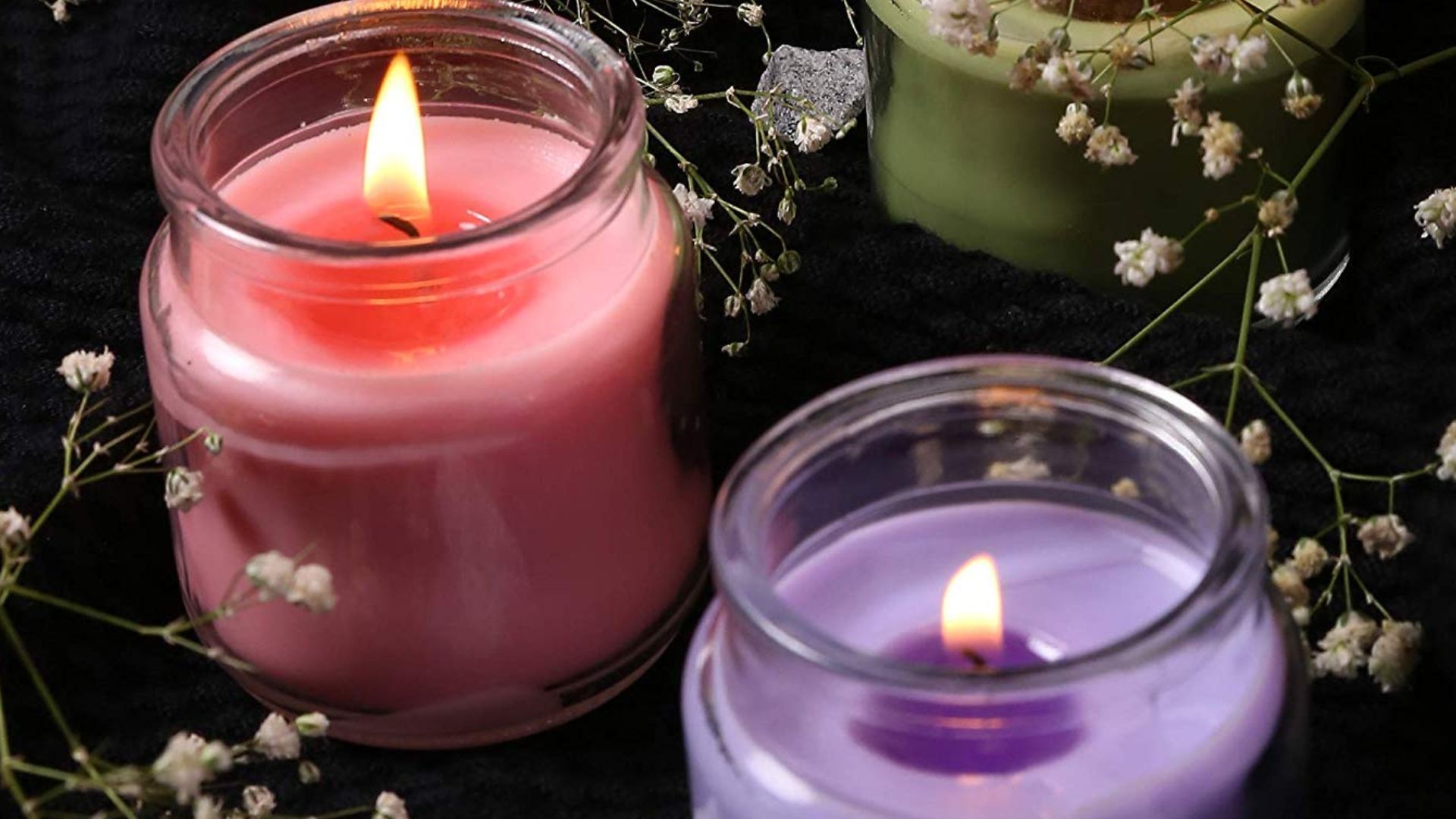
Despite fading from daily use, candles are finding new relevance in modern India.
Once essential for lighting homes, candles have gradually become more ornamental than functional. With electric lighting a given, the only times candles now flicker to life are during power cuts, or for dramatic effect in romantic scenes on screen.
Yet, despite fading from daily use, candles are finding new relevance in modern India. Post-pandemic lifestyle changes have sparked a growing interest in home décor, wellness, and curated ambience, bringing candles back into focus, this time for their aesthetic and sensory appeal.
According to market research firms, India’s candle market was valued at around USD 796.1 million in 2024 and is expected to grow to USD 1.37 billion by 2030, at a Compounded Annual Growth Rate (CAGR) of 9.6 pc.
It is not just in the domestic market, India is also carving out a space for itself in global candle market. Under HS Code 3406, official trade data shows India exported candles worth USD 74 million in 2023. Major importers included the United States, the United Kingdom and Australia.
Whether they are scented soy candles for meditation or decorative pieces for festivals and gifts, candles are no longer just a source of light, they are now a statement of lifestyle.
Ambience of growth
What once sat on shelves as a backup light source is now centre stage in modern living rooms and wellness routines. A mix of rising disposable income and rapid urbanisation has sparked a growing appetite for candles, not just as décor but as mood-setters. With more people looking to personalise their homes and create calming corners, candles have emerged as quiet essentials.
Their growing role in self-care rituals, from yoga and meditation to at-home spa days, is adding new meaning to how they are used.
According to Nitu Singh, founder and director of Scentiments Global, a Delhi-based luxury candle brand, the preference for creating a relaxing ambience at home has notably increased post the pandemic further contributing to the steady growth of candles in India.
“I think once people were stuck at home during the lockdown, for a good two, two and a half years on and off, they really started paying attention to their surroundings. They wanted to create a calm, peaceful ambience. Everyone was getting into meditation, and we all know candles help set that mood, they create an environment that encourages peace and introspection. Since people were spending so much time at home, naturally, they became more interested in decorating their spaces. And candles played a big role in that. That is one of the key reasons we have seen such a significant rise in the candle industry,” Singh tells Media India Group.
Sifat Sahni, owner of Pastel Studio, a candle service brand, believes that her experience has shown how the growing desire for personalisation and warmth has made candles a part of people’s everyday spaces.
“It is really about people who love the little things, cosy corners, self-care, thoughtful gifting. They want their space to feel warm and personal. Most of them are not just looking for something that smells good, they are looking for something that feels like a hug or brings back a memory. That is what we like to call a ‘hug in a jar,’’ Sahni tells Media India Group.
Megha Khandelwal, Chief Executive Officer of Delhi-based luxury brand shop Lavish Candles, points out that the preference for candles with pleasant fragrances has also played a major role in driving their popularity.
“The growth really started in the last four to five years. Right now, people are beginning to trust it, they are starting to like it. It is something that comes naturally, like a habit that develops over time. People enjoy it, just like a décor item. You place it in your drawing room, and when guests come over, the space smells good, everything feels fresh. That is why people have started liking it more,” Khandelwal tells Media India Group.
Domination of scents
With the rise of e-commerce and digital visibility, the candle market has expanded beyond basics, consumers today are exploring a wide variety of scented and artisanal options. A growing preference for eco-friendly and sustainable products has led to increased demand for candles made from natural materials like soy wax, beeswax and coconut wax. These alternatives are gaining favour for their clean-burning qualities, longer burn time, and biodegradability.
As environmental awareness grows, many buyers are moving away from paraffin-based candles, which can release harmful pollutants, and are instead choosing organic, chemical-free alternatives. Brands, both large and independent, are responding with innovations like zero-waste packaging, lead-free wicks, and cruelty-free production.
One such example is Aurawick, a luxury brand known for handmade candles, which sold out its entire collection within 48 hours of launch in November 2024. The collection featured candles made from eco-friendly materials and poured into reusable, bar-quality glassware, blending sustainability with design. The strong demand reflects a growing consumer interest in unique, high-quality home décor.
According to Singh of Scentiments Global, artisanal candles are increasingly preferred by consumers, particularly by brands and companies seeking thoughtful, high-quality options.
“We make white-label candles for a lot of big brands, both nationally and internationally. So for us, our main customers are these home décor brands who are very particular about quality. They want premium products, candles made with high-quality oils that are clean, non-polluting, and artisanal in nature, not just your regular mass-produced ones. Right now, we are heading into the festive season, and in India, that means a whole lineup of celebrations. During this time, people tend to go for floral and celebratory fragrances. There is also a rise in demand for candles in jars, decorative pillar candles, and tea lights. But across the board, one thing is common, everyone is asking for soy wax over paraffin. Quality soy wax candles are what people want,” adds Singh.
According to Sahni, many customers, based on her experience, prefer dessert-inspired candles nowadays.
“People really connect with the ones that tell a story. Milk & Sugar, for example, gets so much love because it feels familiar, like being wrapped in your grandmother’s stole after a long day. It is that sense of comfort. Candles that evoke memories, even ones you didn’t know you missed tend to resonate the most. The dessert-inspired ones are always popular too. They are fun, a little playful, but still feel like a warm treat at the end of a long day. And anything floral or comforting always finds a place, especially when it feels like a small act of self-care,” adds Sahni.
Khandelwal says that the decision to buy a particular candle usually depends on people’s budgets.
“Everyone likes candles, that is a given. The rest really depends on a person’s budget. Some are affordable, some are on the higher side. It is hard to give a specific example because it all comes down to personal taste. Some people prefer transparent glass, others go for coloured glass, urlis or flat-bottomed brass containers, tins, it is all about what catches your eye. If someone likes a particular style or look, they usually do not worry too much about the rest. You can like anything, it just depends on what feels right to you,” adds Khandelwal.
Dimming flame
Despite the growing demand, the Indian candle industry faces several hurdles that impact both production and profitability. One of the primary concerns is the rising cost of raw materials, especially premium waxes like soy and beeswax, which are preferred for their natural properties but often imported at fluctuating global prices. According to the Ministry of Commerce and Industry, the cost of importing natural waxes rose by 12 pc in 2023, putting additional pressure on manufacturers focussed on high-quality candles. For brands relying on imported materials, this surge in cost not only tightens margins but also risks pricing out cost-sensitive consumers.
In addition to material costs, environmental awareness is reshaping buyer behaviour. Paraffin wax, a petroleum-based product long used in mass candle production is facing growing scrutiny due to its non-renewable origins and potential to release harmful emissions. Environmental assessments show that a large portion of Indian candles in 2023 still contained paraffin, raising concerns among eco-conscious consumers. This has triggered a slow but steady shift toward cleaner, natural alternatives, forcing traditional manufacturers to reconsider their materials. Regulatory scrutiny is also beginning to influence this transition.
Beyond material and environmental challenges, the industry’s largely unorganised structure presents logistical issues, particularly with payments. Shedding light on this, Singh explains that delayed payments are a frequent issue.
“It is not a very organised industry, so there is a lot of insecurity involved, especially when it comes to sourcing. If we want to buy raw materials, we do not get any credit. We always have to make full upfront payments, whether it is for wax, wicks, containers, or fragrances, the four essentials for making a good candle. At the same time, we receive our payments only after 20, 30, sometimes even 35 days. So, while we pay cash up front, we have to wait a long time to get paid ourselves. But we continue making candles because we don’t want to lose our customers. Even going to banks or trying to raise funds is tough, because candle-making is still seen as a traditional business. Most funding companies prefer investing in blue-chip firms, not something like this. That makes the fundraising process really difficult,” adds Singh.
She further adds that the raw material supply chain is often unorganised, making sourcing inconsistent and challenging.
“The raw material side is also very unorganised. For example, the wax supply chain lacks structure. It is the same with wicks. When it comes to fragrances, there are just two or three vendors who have a monopoly in the market. Containers, especially glass ones, mostly come from Firozabad. The samples they show are flawless, but when the full order arrives, the quality is often disappointing. And because the industry is so unorganised, there is no proper system in place to return faulty products or ask for replacements,” adds Singh.
As candles shift from utility to lifestyle products, India’s market is growing with changing consumer habits and rising global presence. Yet, challenges remain, including rising raw material costs, credit limitations, and an unorganised supply chain. Despite strong demand for artisanal and sustainable options, manufacturers must overcome these hurdles to sustain momentum.
