
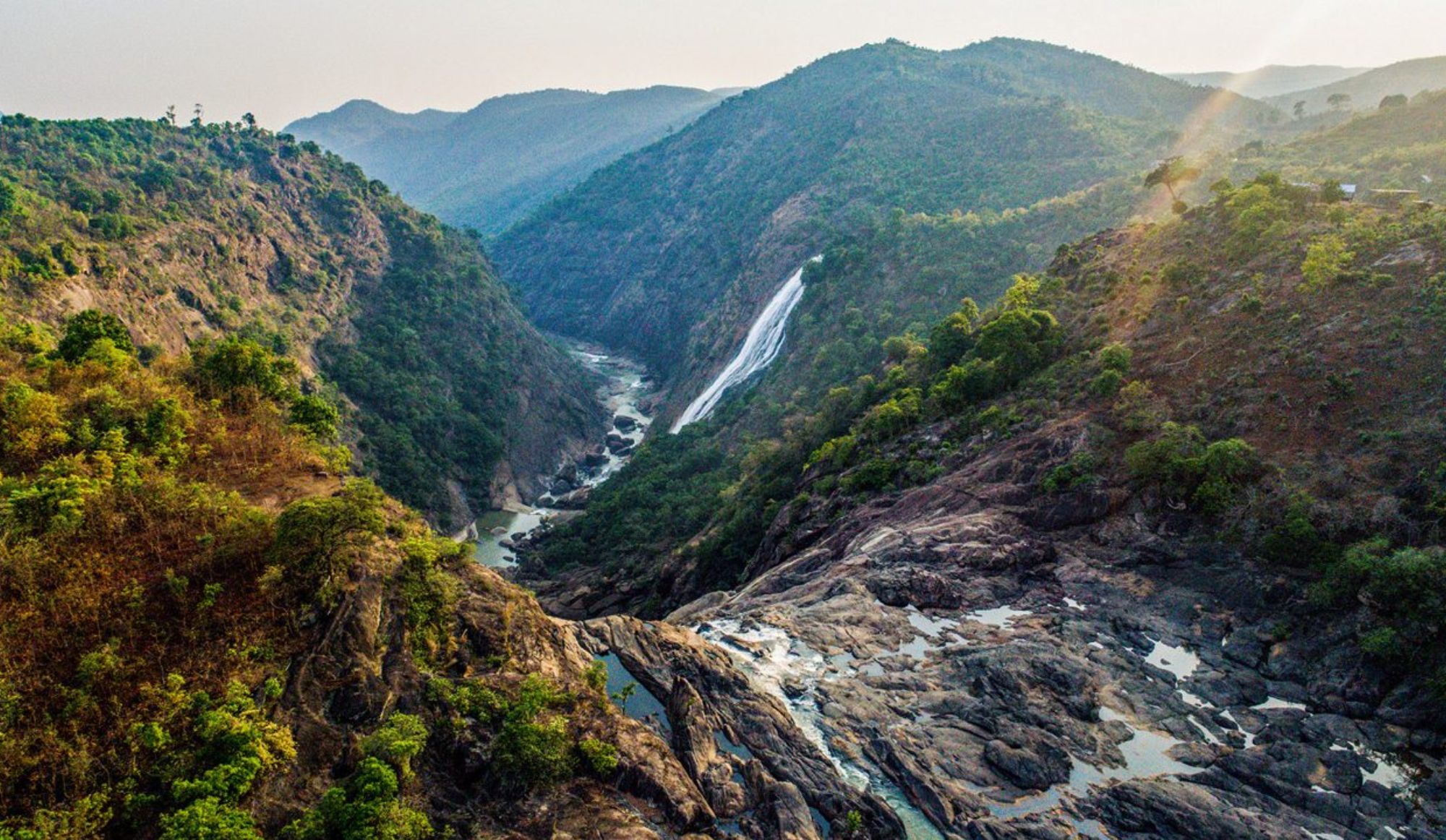
Koraput boasts a rich and dynamic past, deeply rooted in mythology and history (Photo: Incredible India)
India is often described as two sides of the same coin. On one side lie the high-tech, fast-paced, and aspirational regions, primarily seen in the western and southern parts of the country, where innovation and urban hustle dominate the landscape.
On the other side, the eastern region, though less developed in terms of infrastructure, offers a striking contrast with its natural richness and tranquillity. From the sprawling mangroves of the Sundarbans in West Bengal to the serene brackish waters of Chilika Lake in Odisha, East India is home to some of the country’s most ecologically significant areas.
The Chhota Nagpur Plateau in Jharkhand, often called the ‘mineral heartland of India’, boasts vast reserves of coal, iron ore, mica, and bauxite. Its rugged terrain, dense forests, and diverse wildlife make it not only a hub of mineral wealth but also a region of immense natural and ecological value.
Capturing the natural beauty of East India, there exists a small town in Odisha, Koraput that offers a perfect escape from the noise and pollution of urban India.
Koraput: Dance of local culture & spirituality
Located about 140 km from Visakhapatnam, Koraput District is bounded by Rayagada and Parvatipuram-Manyam districts of Andhra Pradesh to the northeast, Nabarangpur and Chhattisgarh’s Bastar district to the northwest, and by Malkangiri and Alluri Sitarama Raju districts to the south. The landscape is a captivating mix of rolling hills, dense forests, and tribal hamlets that together weave a unique identity for the region.
Koraput boasts a rich and dynamic past, deeply rooted in mythology and history. Ancient scriptures like the Puranas refer to this area as part of Dandakaranya, the legendary forest that sheltered Lord Ram during his exile in the Ramayan. Echoes of this past still resonate through mysterious megalithic sites and ancient inscriptions scattered across the region.
Among its spiritual landmarks is the revered Gupteshwar Cave, a natural limestone shrine dedicated to Lord Shiva. According to a local legend, Lord Rama stumbled upon this hidden cave during his exile. Centuries later, it was rediscovered during the reign of Veer Vikram Dev. Inside, the colossal Shiva Linga, believed by devotees to be growing in size, stands carved from the cave itself, exuding a powerful aura of divinity and mystery.
But Koraput is more than just myths and temples. It is home to over 60 indigenous tribes, each with distinct dialects, customs, and festivals. Every November, the district hosts the vibrant Parab Tribal Festival, a month-long celebration of tribal art, music, dance, and heritage. Organised by the District Council of Culture, the festival features cultural programmes, sports, seminars, exhibitions, and the popular Pallishree Mela, where traditional handicrafts are showcased and sold.
Another spiritual jewel of Koraput is Sabara Srikhetra, often called the ‘Southern Abode of Lord Jagannath’. Built in 1972 on a scenic hillock, this temple mirrors the architecture and sanctity of Puri’s Jagannath temple but stands out for its deep integration of tribal culture. The annual chariot festival here, similar to Puri’s Rath Yatra, sees local tribal communities dressed in traditional attire pulling the deity’s chariot with devotion. Here, Lord Jagannath is worshipped as Daru Brahma, in keeping with ancient tribal practices of venerating wooden idols.
With its stunning landscapes, sacred sites, and rich tribal culture, Koraput offers a rare glimpse into a world where nature, mythology and tradition continue to coexist in harmony.
Koraput: Nature’s basket
With its sweeping landscapes, sacred shrines, and vibrant tribal identity, Koraput is a rare slice of India where nature, mythology, and culture live in seamless rhythm.
Koraput’s essence runs much deeper than just cool weather and scenic hills. Tracing its roots to the mythical Dandakaranya forest, the same that sheltered Lord Rama during his exile, the town is a confluence of the spiritual and the sublime. And beyond its legends, it flourishes as a playground for nature lovers.
High above, Deomali Hills, the highest peak in Odisha, rises like a silent guardian of the Eastern Ghats. With its panoramic views, rolling meadows, and crisp air, it draws trekkers, paragliders, and dreamers alike. Along the trail, nature quietly reveals itself, through brooks that sing, hidden waterfalls, and tribal villages of the Parajas, Kandhas, Malis, Bhumias and Bhotias, each with their own story to tell.
Further south, thundering into a rocky gorge on the Odisha-Andhra border, is the majestic Duduma Waterfall. Carved by the Machkund River, it plunges 175 metres in a dramatic drop, cloaked in mist and myth. Beyond its raw beauty, it powers a major hydroelectric project and anchors attractions like Jagannath Sagar Lake, the Kolab Dam, a Botanical Garden, and the Koraput Tribal Museum, a celebration of local heritage nestled in nature’s lap.
And then there is Sunabeda, a place where aeronautics meets ecology. Located just 18 km from Koraput town, it is home to a Jagannath temple, lush surroundings, and a factory of the Hindustan Aeronautics Limited (HAL) India’s largest and sole aircraft manufacturer and where MIG and Sukhoi engines come to life. A museum in the township offers a peek into India’s aviation strength, set against a surprisingly serene backdrop.
Nature turns wild and wondrous inside the Sunabeda Wildlife Sanctuary, sprawled across the Nuapada region. With dry forests, grasslands, and winding streams, the sanctuary is alive with elephants, leopards, deer, and even tigers. It is also a vital path for migratory birds and wild buffaloes moving between Odisha and Chhattisgarh. For wildlife lovers, it is a place where silence roars.
In Koraput, nature is not just admired, it is lived, celebrated, and fiercely protected. From tribal rhythms echoing through the hills to waterfalls that dance off cliffs, this untouched wonderland invites you to pause, breathe, and rediscover what it means to be part of something ancient and alive.
