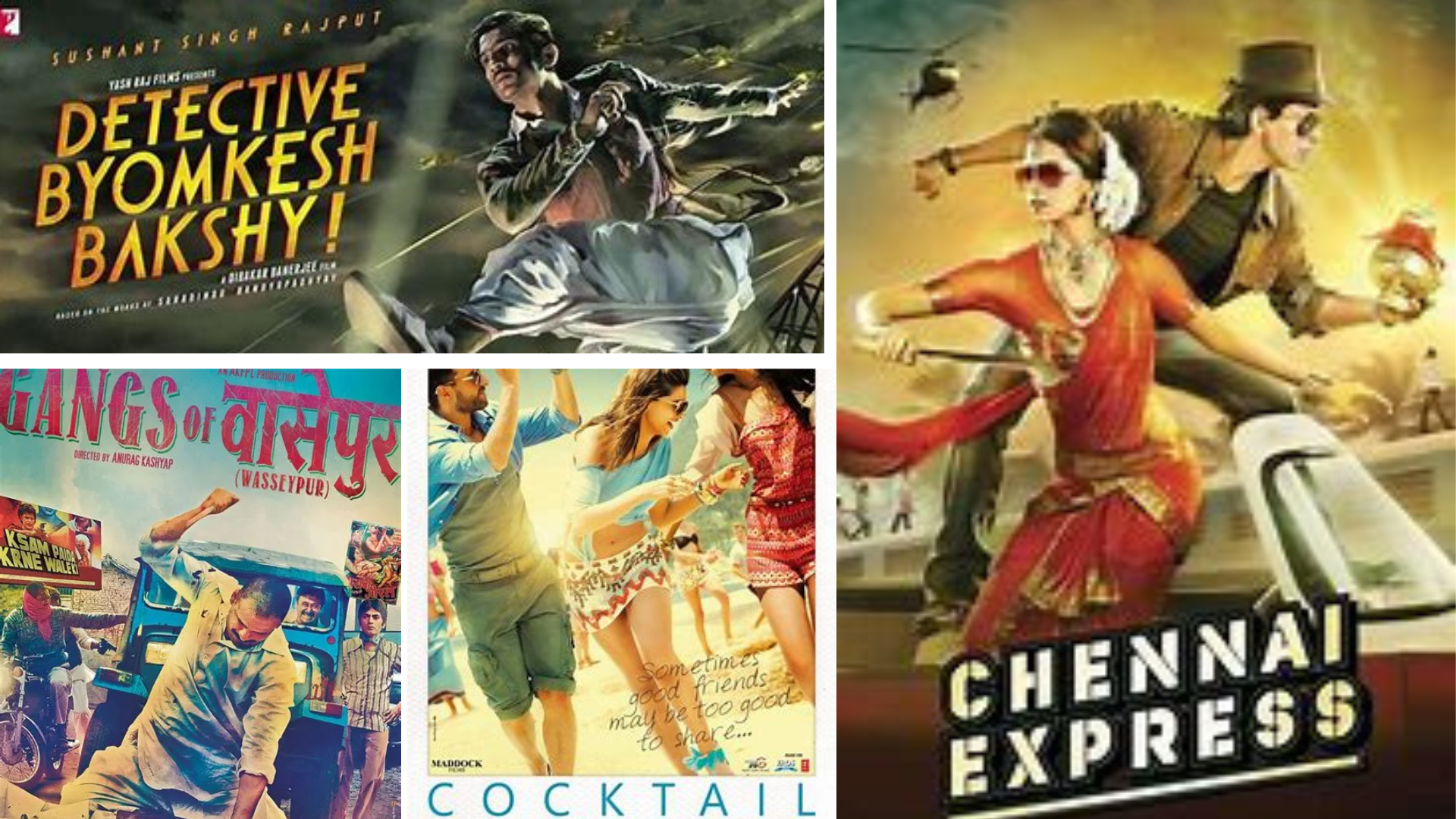
Some of the recent films reflecting long-standing regional stereotypes
Indian cinema, particularly mainstream Hindi films, has long used states as visual and cultural backdrops rather than lived-in spaces. These portrayals have shaped public perception, turning regions into easily digestible stereotypes that travel faster than reality.
Mainstream Indian cinema has long leaned on stereotypes to portray regions and communities. Gujaratis are frequently shown as talkative and thrifty, Bengalis as romantic poets or intellectuals and South Indians are often assigned exaggerated accents and rigid family roles. Villagers appear naive or backward, while Rajasthani or Marwari characters are commonly depicted as wealthy and royal. These portrayals, repeated over decades, continue to shape how audiences perceive India’s diversity.
Indian cinema, particularly mainstream Hindi films, has often treated states as visual cues and clichés rather than lived-in spaces. These portrayals have created fixed ideas, turning cultural regions into easily identifiable tropes that travel faster than reality.
Repeated often enough, these portrayals have turned into visual recognition, making certain state identities feel fixed and unquestioned in the minds of viewers.
Also Read: Bollywood film endings shape how audiences remember stories
Punjab: Loud homes and louder celebrations
Punjab on screen is almost always vibrant, musical and emotionally charged. Films like Dilwale, Veere Di Wedding present Punjabi households as high-spirited spaces filled with dance, food and constant celebration.
The recurring imagery of bhangra, grand weddings and loud family banter creates instant recognition. However, this framing often sidelines quieter aspects of life, the state’s realities and the social diversity that exists beyond celebratory stereotypes.
Rajasthan: Forts, deserts and royal echoes
Rajasthan’s cinematic identity is closely tied to royalty and heritage. Films such as Jodhaa Akbar and Hum Saath-Saath Hain rely on palaces, deserts, turbans and folk performances to convey tradition.
While visually compelling, this portrayal often freezes the state in a historical frame. Contemporary Rajasthan, with its evolving towns, crafts communities and changing aspirations, remains largely invisible on screen.
Uttar Pradesh, Bihar: Dialects, villages and crime
Bothe the states frequently becomes a symbol of extremes in cinema. Films like Gangs of Wasseypur highlight strong dialects, intense emotions and either crime-driven narratives.
Modern identity of the states extends far beyond villages and crime dramas. Cities like Noida, Lucknow and Kanpur are centres of IT, design, literature and education. A rising middle class, evolving gender roles and creative industries challenge the outdated image of a purely rural or lawless state.
Also Read: When Bollywood songs tell stories beyond just romance
Maharashtra: Dreams and danger in Mumbai
Maharashtra’s identity in cinema is dominated almost entirely by Mumbai. The city is portrayed as a place of ambition or moral decay, as seen in Slumdog Millionaire and Mumbai Meri Jaan.
While Mumbai dominate the story Maharashtra’s contemporary view is different it includes Pune’s technology sector, Nashik’s wine industry and thriving rural innovation. Small-town aspirations, cooperative movements reflect far more diverse than the familiar urban extremes shown on screen.
West Bengal: Intellectual nostalgia
West Bengal, especially Kolkata, is frequently portrayed as a land of poets, thinkers and nostalgic charm. Films such as Detective Byomkesh Bakshy reinforce images of intellectual pursuits and old-world elegance.
Contemporary Bengal is driven by creative industries, independent music, design and digital entrepreneurship. Kolkata’s youth culture blends tradition with global influences, reshaping the state’s identity beyond nostalgia and intellectual stereotypes. Stories of reinvention remain largely untold on screen.
Goa: Beaches and escapism
Goa on screen is almost always synonymous with leisure and freedom. Films like Dil Chahta Hai and Cocktail present the state as a playground for friendship, romance and escape.
Beyond beach parties, Goa is home to fishing communities, heritage villages and environmental movements. Contemporary issues around sustainability, housing and cultural preservation define everyday life, offering narratives that go far deeper than escapist holiday imagery.
Also Read: Audience tired of lazy portrayals of Bollywood’s stereotypes
Tamil Nadu and Karnataka: Urban diversity and everyday modernity
Tamil Nadu and Karnataka on screen are often reduced to exaggerated accents, rigid traditions and easily recognisable cultural markers. Mainstream cinema has long relied on familiar tropes to signal the southern setting, leaving little room for contemporary realities.
In reality, cities like Chennai and Bengaluru are shaped by cosmopolitan workforces, evolving family structures and vibrant art, music and start-up scenes. Everyday life plays out in offices, shared homes and multicultural neighbourhoods, reflecting modern aspirations.
Why these stereotypes exist
Cinema relies on quick visual and cultural cues and stereotypes provide instant familiarity. Over time, repetition turns these shortcuts into accepted truths. While regional cinema and newer filmmakers are slowly challenging these narratives, mainstream portrayals continue to lean on predictability.
As audiences become more perceptive, there is growing space for stories that move beyond accents, costumes and cliches.