
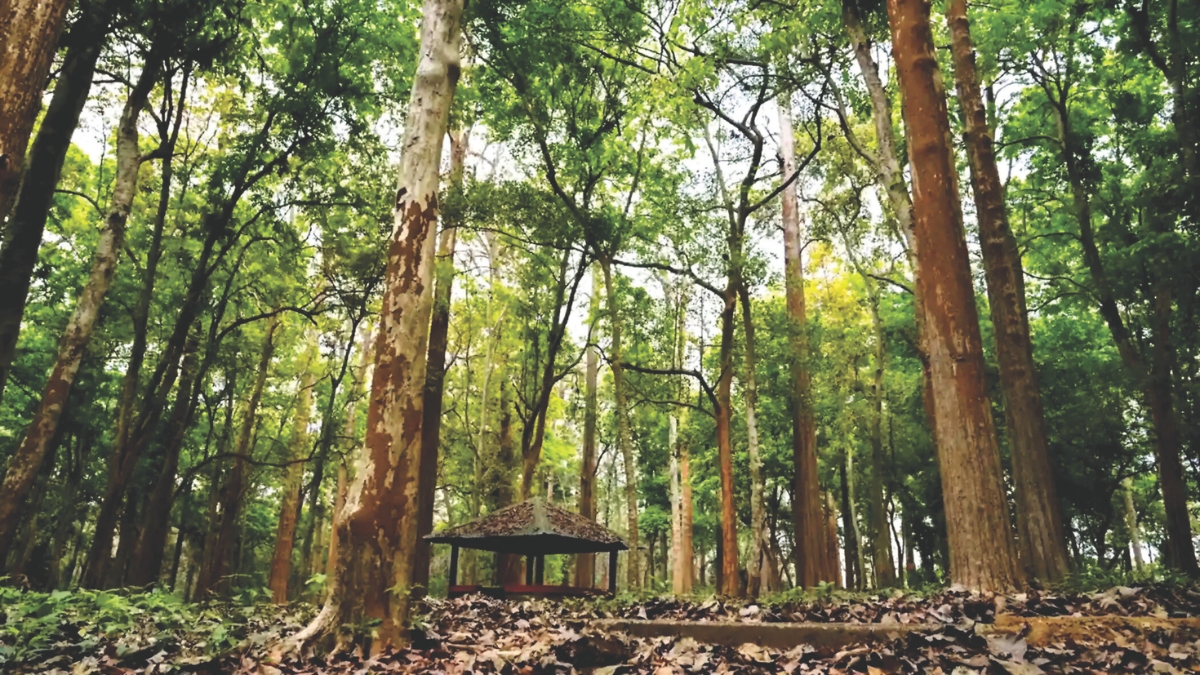
Nilambur is also known for the Muthuvans and Kattu Naikar tribal settlements
The name Nilambur brings to the mind images of a majestic teak tree, standing tall, withstanding the challenges thrown in by the nature and the mankind over centuries. Talking about teak, it has found its place at prestigious spots around the world be it the tragic Titanic ship, the Holy Mosque of Kaaba at the Mecca, or the plush interiors of a Rolls Royce car.
Though teak is the speciality in Nilambur, the tiny town has obtained its name from bamboo, which is found in plenty here. In Sanskrit, bamboo is nilimba, while the land of nilimba is nilimba-ooru, which over the centuries got distorted into Nilambur.
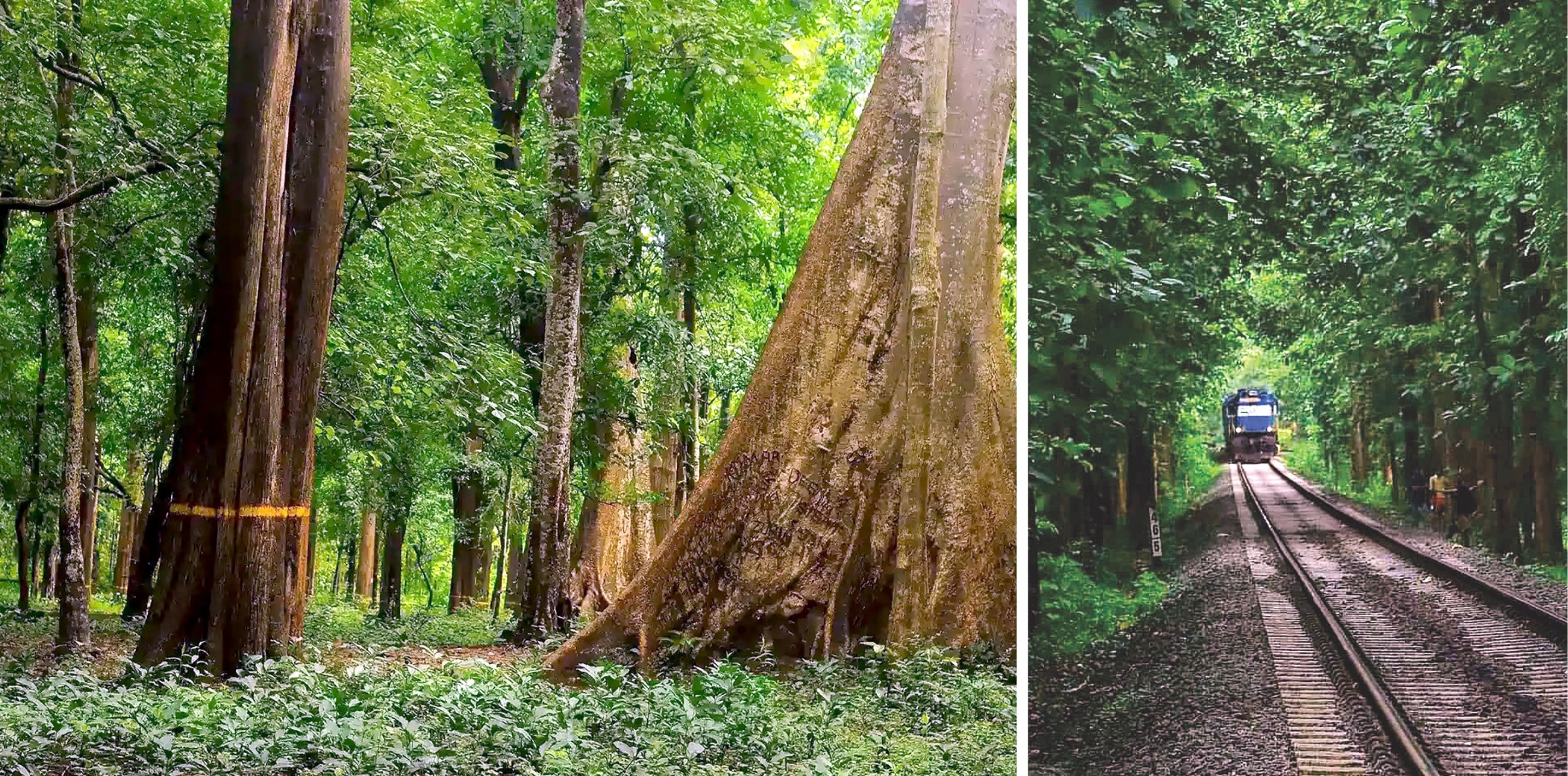
Nilambur is known for its teak plantations and tribal settlements
This quaint little town in Northern Kerala, located around 50 km from the district headquarters of Malappuram, also serves as a connecting point to better-known destinations like Ooty, Mysore and Wayanad.
Nilambur is known for its teak plantations and tribal settlements. The geographical advantage and the close proximity to the Nilgiri ranges of the Western Ghats, has bestowed this land with adequate rainfall, lush green rain forests, enchanting water bodies and gurgling water falls. Apart from the teak plantations, one can find rich plantations of bamboo, rosewood and mahogany trees as well.
Also Read: Idukki leads Kerala’s tourism growth with highest foreign footfalls
Around two km from the town centre, there is Conolly’s plot, the oldest teak plantation in Nilambur named after H V Conolly, the District Collector of Malabar during 1846. It was on his orders that teak was planted in two acres of land and with the passing of time this plantation grew multifold to eventually turn into a large teak forest.
In 1995, a Teak Museum was jointly established by the Kerala State Forest Department and the Forest Research Institute. This was the first teak museum in the world and presently the only one in India. It provides insight about teak trees and also helps create awareness among the public and visitors. The hanging bridge built across the Chaliyar River is the highlight and most sought after spot of the tourists visiting the Teak Museum.
Giant teak specimen from the plantation are showcased in the museum. However, the show stealer here is the Kannimara teak from the Parambikulam Wildlife Sanctuary which is said to be the world’s oldest teak tree. The very entrance of the Museum is very eye catchy and creative craftsmanship and is made with the root system of a teak tree, half a century old. It just not end there, with many more attractions in store, including a designer clock with intricate carvings, majestic carved doors and many curios related to teak, emphasising the significance of teak in the Keralan life and culture.
The museum also boasts of a bamboo grove, a herbal medicine garden, a butterfly park with presence of wide range of species.
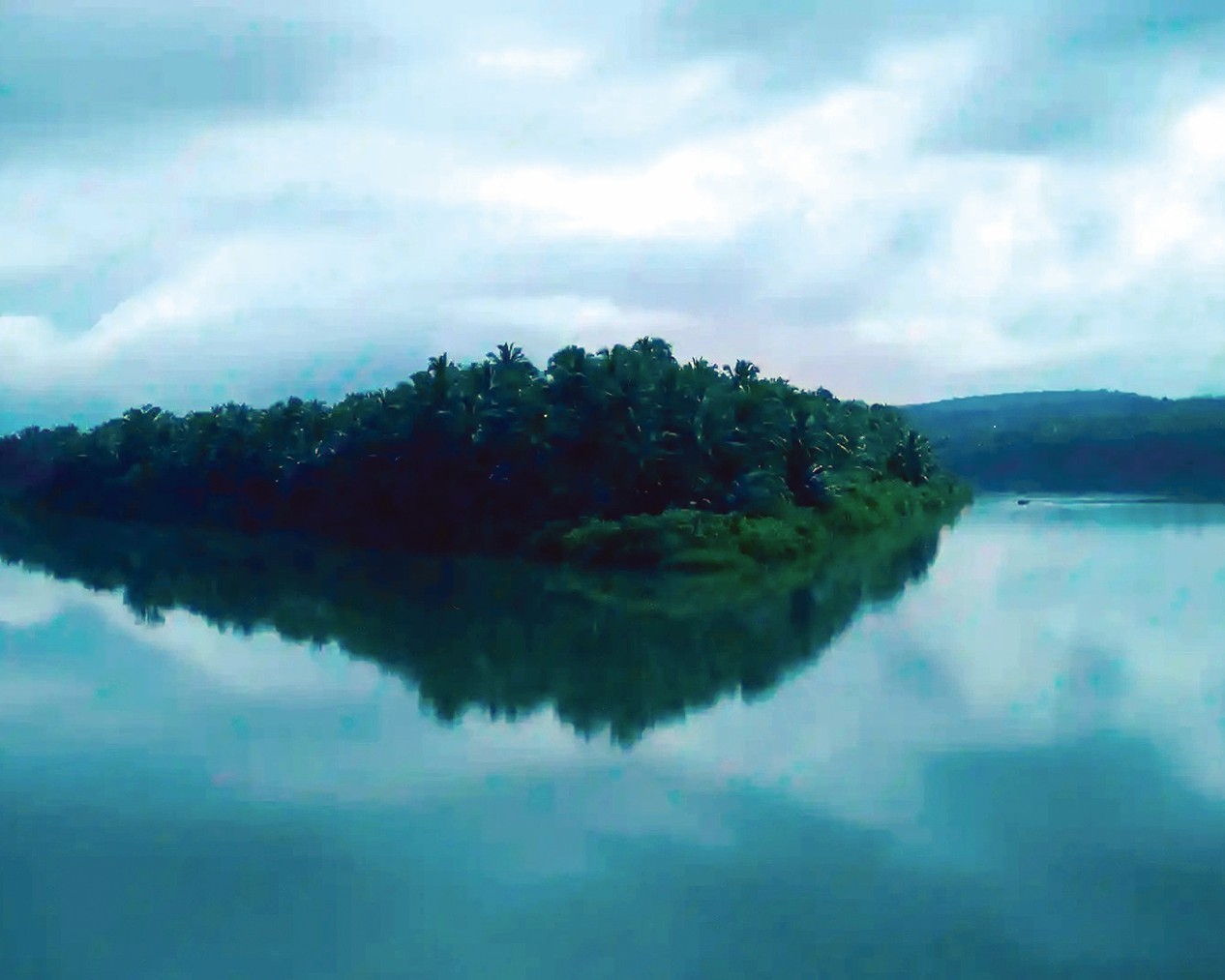
Chaliyar River also known as the Beypore River, is the fourth longest river in Kerala
Nilambur is also known for its Kovilakams, the principal manor, palace of the princely Kshatriya and the lineages of ruling dynasties. These manors are epitomes of Kerala’s unique traditional architecture with a whole lot of wood work, open courtyards, long corridors and high ceilings. Some of the Kovilakoms are functioning as home stays for tourists presenting a rate opportunity to experience the life in Kovilakom with the simple yet royal hosts.
Also Read: Kerala receives over 22 million tourists in 2024
Vettakkorumakan, Son of Lord Shiva in the Kiratha Avatar, is the main diety of the temple of the royal clan. The annual music festival held here known as the Nilambur Pattulsavam is marked by the presence members of the royal family as well as the tribal community.
Nilambur is also known for the Muthuvans and Kattu Naikar tribal settlements. These tribes are known for their deep knowledge of the wildlife as well the forests and for their expertise in traditional medicine and unique treatment practices. Vallomthode, which is around 24 km from Nilambur is the major tribal settlement here.
The rain forests of Nedumkayam and the waterfalls of Adyanpara are trekker’s paradise and a haven for nature lovers. The Nilambur-Shoranur railway line passing through lush greenery presents nostalgic memories and is a favourite spot of photographers.
