
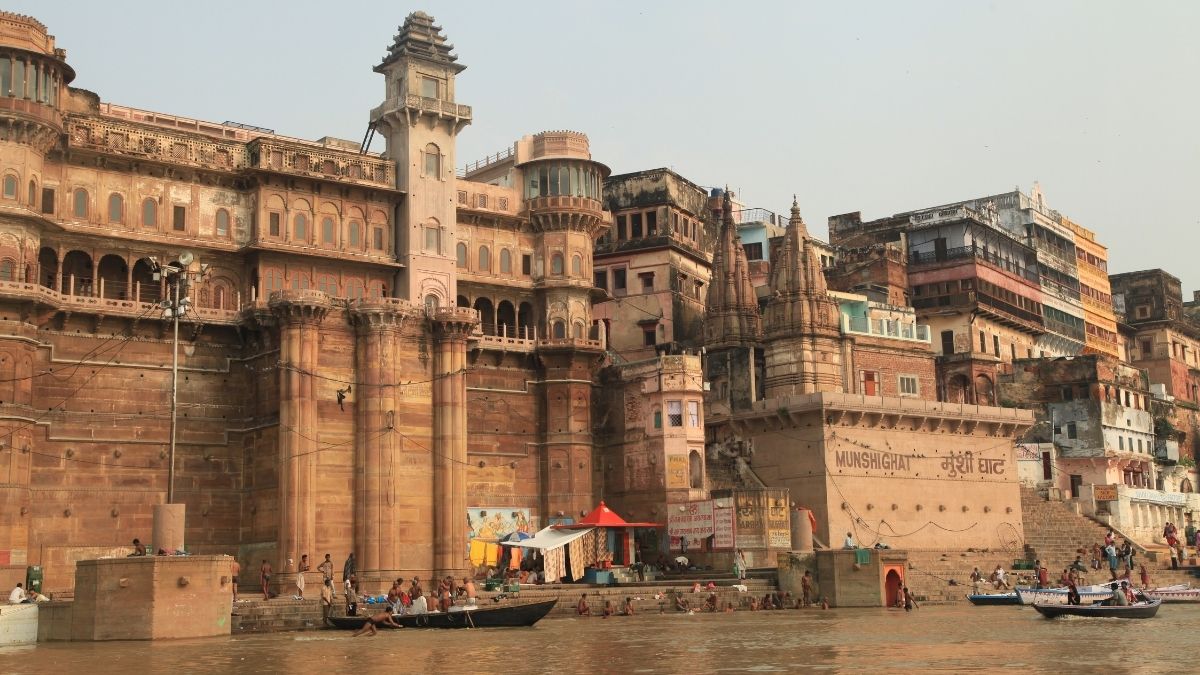
UP Tourism is sharpening its focus on tourism-led job creation as part of its broader USD 1 trillion economy vision (Photo: India & You)
In Uttar Pradesh, tourism is being recast as a jobs engine rather than a support sector. With a target to raise its employment share to 5 pc by 2047, the state is turning to startups, policy incentives and new travel formats to expand opportunities across local economies and service networks.
In a press statement, UP Tourism says that it is sharpening its focus on tourism-led job creation as part of its broader USD 1 trillion economy vision.
The statement adds that the state has invited proposals under a ‘New Tourism Startup Units’ category, aimed at encouraging projects that use technology, focus on sustainability and create local economic linkages.
“Tourism in Uttar Pradesh is no longer limited to sightseeing. It is emerging as a smart, experience-driven sector with strong potential for employment and investment. Through startup-led innovation, we are creating new opportunities that will contribute significantly to the state’s economic growth and help achieve the USD 1 trillion economy target,” says Jaiveer Singh, Minister of Tourism and Culture.
Also Read: UP Tourism launches citizen-led heritage campaigns to mark World Heritage Week
He added that tourism’s ability to generate decentralised employment across hospitality, transport, food services, handicrafts and local enterprises makes it one of the strongest growth engines for the state.
According to the statement, among the models being considered are themed accommodations such as hobbit-style houses, capsule pods inspired by Japanese designs, caravan-based travel units and open-air ‘star bed’ concepts.
Officials say that these formats are being positioned to attract a different segment of travellers while also creating opportunities for small businesses and service providers in local areas.
According to the tourism board, the government has set up the State-Level Special Tourism Committee (SLSTC), which will evaluate startup projects and determine incentives. The committee is expected to fast-track approvals and provide a structured mechanism for investors. Projects with smaller subsidy requirements will be cleared at the committee level, while higher-value proposals will move to a state-level panel.
The policy framework includes financial incentives to attract investment. Projects between INR 1 million and INR 100 million are eligible for a 25 pc subsidy, capped at INR 20 million. Additional provisions include full exemption on stamp duty and waivers on land conversion and development charges. Women entrepreneurs and SC/ST investors are eligible for an additional 5 pc subsidy.
Officials say these measures are designed to reduce entry barriers and expand participation among first-generation entrepreneurs as well as established investors. Subsidy applications can be filed within six months of the start of commercial operations, with approvals linked to project scale.
Also Read: Overtourism opens paths to offbeat snow trails in India
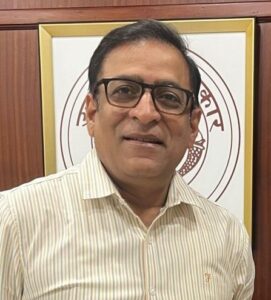
Amrit Abhijat
Beyond startups, the state is working on expanding tourism infrastructure, accommodation capacity and connectivity. Focus areas include established religious destinations such as Ayodhya, Kashi and Mathura, along with emerging sites like Naimisharanya. The objective is to align rising tourist numbers with increased economic activity at the local level, says the statement.
The Tourism Board says that the broader targets include increasing tourism’s contribution to Gross Value Added from 1.2 pc to 5 pc by 2047, while also aiming to raise its share in India’s tourism GVA to 16 pc. Officials say the combined focus on policy incentives, startup participation and infrastructure expansion is intended to scale both employment and economic output over the next two decades.
“Tourism has one of the highest employment multipliers across sectors. By enabling start-up-led models and experience-based tourism, we are expanding opportunities beyond traditional hospitality into services, mobility, digital platforms and local enterprises. This approach will be critical in scaling both jobs and value creation in the tourism economy,” says Amrit Abhijat, Additional Chief Secretary, UP Tourism.
