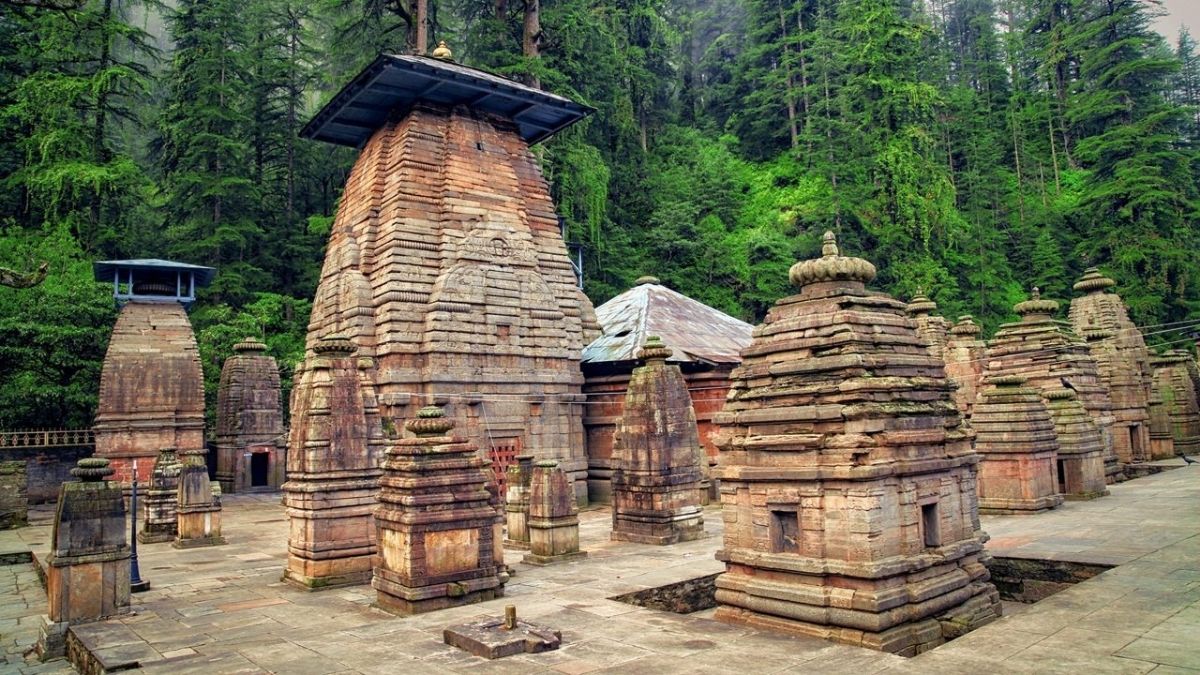
Sawan observance is considered especially auspicious because of the month's deep association with Shiva (Photo: Incredible India)
As Hindus, notably devotees of Lord Shiva across India, begin celebrations of Sawan Shivratri, one can immediately relate the festivities to the most famous Shiva shrines, at Kashi in Uttar Pradesh, and at Kedarnath in Uttarakhand. But there are many other equally ancient shrines that keep the spiritual traditions alive, but which are relatively lesser known.
Observed during the holy month of Sawan, which normally falls in July-August, this year Sawan Shivratri falls on August 11. It occupies a special place in the Hindu calendar as devotees honour Lord Shiva through fasting, prayers and sacred rituals. The annual observance sees thousands visiting temples across the country for offerings to the Shivalinga, with notably leaves of bel plant and water or milk.
While Shivratri falls every lunar month, the Sawan observance is considered especially auspicious because of the month’s deep association with Shiva.
Also Read: Celebrating Shiva: Unique traditions of Mahashivratri
The date links to the legend about Samudra Manthan, in which Shiva drank poison to keep it from destroying the universe, holding it in his throat, which turned blue. Devotees mark the day with a fast that can be strict or limited to fruit and milk, and with abhishek, pouring water, milk, and bel leaves over a Shivalinga at temples. The month also includes the Kanwar Yatra, in which pilgrims undertake a walk, carrying water from the Ganga River on foot to pour over a Shivalinga on this day. Chanting Om Namah Shivaya and recitation of Shiv Chalisa, prayers to Shiva, are part of the day’s practice.
As with any other festival honouring Shiva, Kashi Vishwanath at Varanasi and Kedarnath record the largest attendance on this date. But five other Shiva temples hold their own observances on the same date, each with a separate history and ritual set.
Baijnath
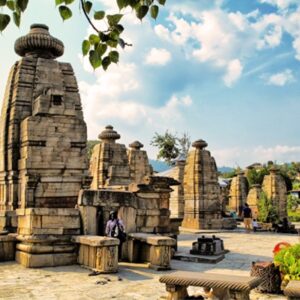
Baijnath (Photo: Incredible India)
The temple in Baijnath, Himachal Pradesh, is dedicated to Vaidyanath. The current structure dates to 1204 CE, built by two brothers, Manyuka and Ahuka. During Sawan, devotees visit on Mondays for offerings to the deity. The temple’s main annual festival runs five days around Shivratri, with Baijnath and Paprola lit up and programmes held at the local stadium. The town does not burn a Ravana effigy at Dussehra, based on a local account that names Ravana as a devotee who meditated at the site. Though an earthquake in 1905, damaged the temple, prayers are still offered here on special occasions and the temple, a heritage monument, is now under protection of the Archaeological Survey of India.
Also Read: Pachmarhi: A quiet hill retreat with caves and waterfalls
Kotilingeshwara
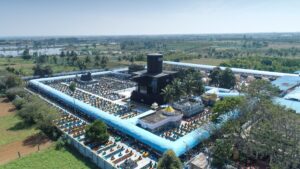
Karnataka (Photo: Karanataka Tourism)
Kotilingeshwara sits in Kammasandra village at Kolar district in Karnataka. Construction started in 1980 under Swami Sambha Shiva Murthy, with a plan to install 10 million lingas on the site. About 9 million are in place across 15 acres, centred on a 33-m high lingam and a 10-m high statue of Nandi, a bull that is said to be Shiva’s carriage. Devotees sponsor and install individual lingas in their own names or a relative’s name. The site draws crowds for overnight abhishekam during Shivratris.
Lingaraj
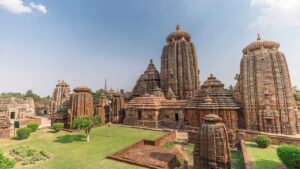
Lingaraj
Another archaeological wonder that is an important Shiva temple is the Lingaraj Temple in Bhubaneswar was built in the 11th century under King Jajati Keshari. It is dedicated to Harihara, a joint form of Shiva and Vishnu. Entry is restricted, only to Hindus, with a platform outside for other visitors. Mondays in Sawan bring a large number of devotees. The temple’s largest annual gathering is Maha Shivratri, in February or March, when an earthen lamp is lit atop the shikhara or spire of the temple at night.
Achaleshwar Mahadev
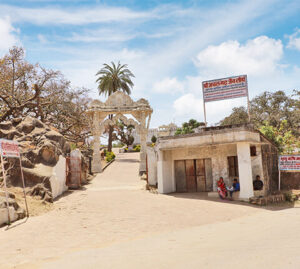
Achaleshwar (Photo: Rajasthan Tourism)
The Achaleshwar Mahadev Temple sits at Mount Abu, Rajasthan. It was built in the 9th century by the Paramara dynasty and rebuilt by Maharana Kumbha in 1452. The object of worship is not a lingam but an impression identified as Shiva’s toe, referenced in the Skanda Purana in connection with the Aravalli range. A Nandi statue made of five metals stands outside, along with stone buffalo figures tied to a separate local account. The temple’s largest crowds gather for Maha Shivratri, not Sawan.
Also Read: Revisiting the story of Kedarnath
Jageshwar
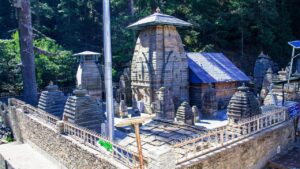
Jageshwar (Photo: Incredible India)
Another important Shiva temple in Uttarakhand is the Jageshwar Dham, a complex of more than 100 stone temples in Almora district of the state. Historians list it among the oldest surviving temple complexes associated with Shaivism. Sawan worship at the site takes place temple by temple rather than at a single point.
To promote these lesser visited sites, travel platforms and government tourism sites now list all five temples as stops on Sawan itineraries. Kotilingeshwara’s visitor numbers grew alongside its linga count, from one installed in 1980 to millions today. Baijnath and Jageshwar hold fixed local festival dates independent of national attention. Achaleshwar’s peak attendance falls on Maha Shivratri, separate from Sawan. None of the five match the visitor numbers recorded at Kashi Vishwanath or Kedarnath.