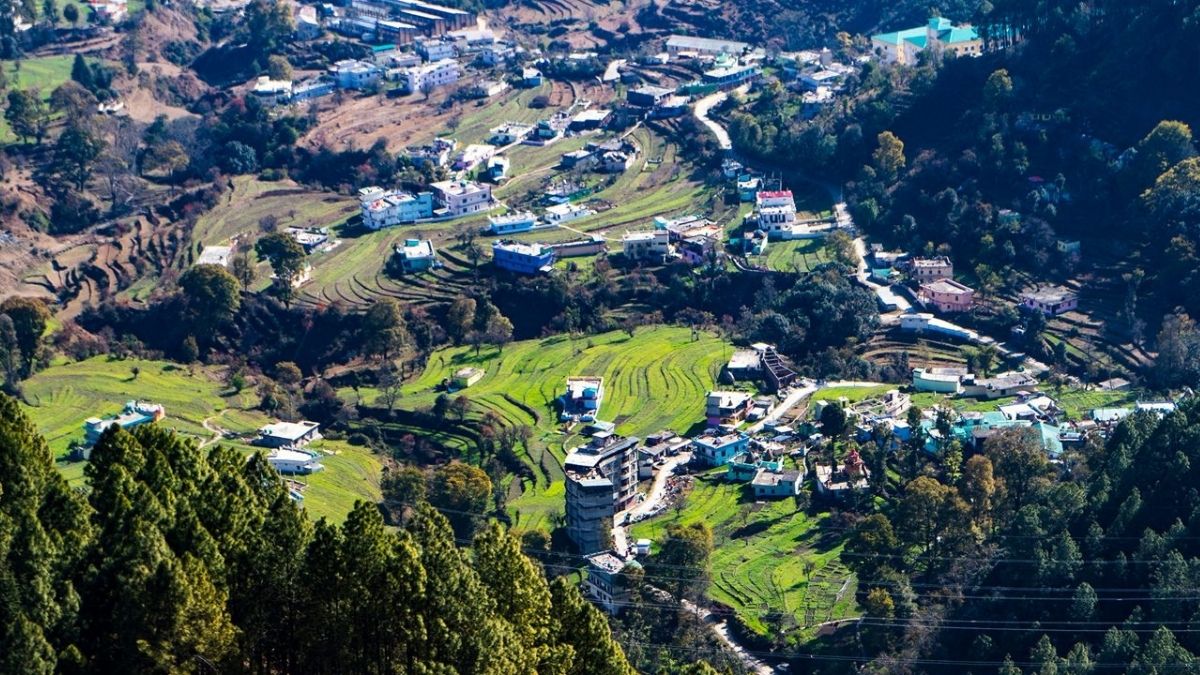
Sarmoli has adopted a community-based tourism model in which visitors stay in family-run homestays (Photo: Incredible India)
Nestled at the foothills of the Panchachuli mountain range, Sarmoli was once a village struggling with limited economic opportunities and increasing migration as young people moved to cities in search of employment. Over the past decade, however, the community has transformed tourism into a sustainable source of income by placing local residents, particularly women, at the centre of the visitor experience.
Unlike destinations dominated by hotels and commercial tourism infrastructure, Sarmoli has adopted a community-based tourism model in which visitors stay in family-run homestays, experience traditional Kumaoni hospitality and participate in village life. The approach ensures that tourism revenue remains within the community, directly benefiting local households while encouraging visitors to experience the region’s culture in an authentic way.
Women-led tourism has transformed livelihoods in Sarmoli
A defining feature of Sarmoli’s success is the leadership of local women. Through community-run homestays, women have become entrepreneurs, hospitality providers and tourism ambassadors, generating independent incomes while strengthening their role in household and community decision-making. Tourism earnings have helped improve family incomes, support children’s education and reduce dependence on seasonal employment.
The village is closely associated with the Himalayan Ark Homestays initiative, which has enabled local families to convert their homes into visitor accommodations without disrupting the village’s traditional character. Rather than constructing new tourism infrastructure, the initiative promotes responsible tourism by upgrading existing homes, allowing visitors to experience authentic Himalayan village life while ensuring that economic benefits remain with local residents.
Also Read: Reni and Tolma: Off-beat forest trails in Uttarakhand
Sarmoli has also established itself as an important destination for birdwatching in the Kumaon Himalayas. Surrounded by forests, alpine meadows and mountain landscapes, the village attracts bird enthusiasts from India and abroad seeking species such as the Himalayan Monal, Koklass Pheasant, laughingthrushes, flycatchers and numerous Himalayan raptors. Local youth and women have been trained as birding guides, creating specialised employment opportunities linked directly to biodiversity conservation.
Conservation forms the foundation of Sarmoli’s tourism model. Community members actively protect forests, water sources and wildlife habitats, recognising that preserving the natural environment is essential for long-term tourism. Responsible tourism practices encourage visitors to minimise waste, avoid plastic use and respect the fragile Himalayan ecosystem while supporting locally owned businesses.
The village has gained recognition for integrating tourism with environmental stewardship through initiatives such as the annual Spring Bird Festival. The event brings together birdwatchers, researchers, conservationists and travellers, promoting awareness of Himalayan biodiversity while creating additional income opportunities for homestay owners, local guides, artisans and food producers.
Nature, culture and local traditions enrich the visitor experience
Beyond birdwatching, visitors to Sarmoli can explore scenic village trails, forests and mountain landscapes through guided walks and trekking routes. The village also serves as a gateway to Munsiyari and the Panchachuli peaks, making it an attractive destination for nature lovers, photographers and adventure travellers seeking experiences beyond conventional hill stations.
Also Read: Tehri Lake Festival to boost tourism to Uttarakhand
Traditional Kumaoni cuisine is another highlight of the visitor experience. Travellers staying in homestays are served home-cooked meals prepared using locally grown grains, vegetables, pulses and seasonal produce. Traditional recipes, organic farming practices and warm village hospitality provide visitors with an authentic glimpse into Himalayan life while supporting local agricultural traditions.
Unlike mass tourism destinations, Sarmoli has consciously prioritised community ownership over commercial expansion. Homestays, guided experiences and nature-based activities are managed by local residents, ensuring tourism supports the village economy while preserving its cultural identity and environmental resources. The model has also helped reduce migration by creating year-round livelihood opportunities that encourage young people to remain in or return to the village.
Sarmoli stands out as a successful example of how women-led entrepreneurship, community participation and conservation can work together to create resilient rural economies. While balancing tourism growth with environmental protection remains an ongoing challenge, the village demonstrates how responsible tourism can preserve both livelihoods and the fragile ecosystems on which they depend.