
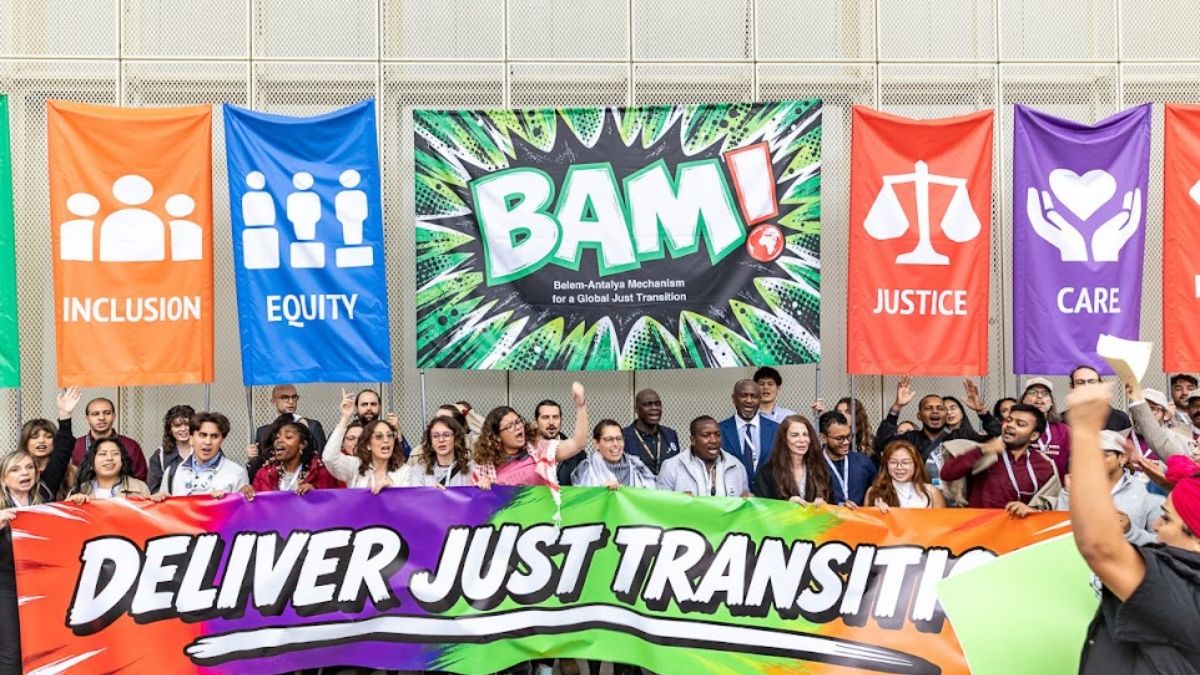
Climate activists call for the establishment of the Belém-Antalya Mechanism at COP31 in Türkiye
In an open letter addressed to governments participating in the 31st United Nations Climate Change Conference (COP31), that began at Antalya in Türkiye on Monday, more than 700 organisations representing trade unions, Indigenous Peoples, feminist movements, youth groups, environmental advocates and frontline communities have called for the immediate establishment of the Belém-Antalya Mechanism (BAM), aimed at translating global Just Transition commitments into concrete action.
In a press statement, the coalition says the demand follows a commitment made at COP30 in Belém, Brazil, where governments agreed to develop a Just Transition mechanism by COP31. The decision followed years of mobilisation and advocacy by trade unions, Indigenous Peoples, grassroots movements and civil society organisations seeking to place social and economic justice at the centre of climate action.
The signatories said the Paris Agreement, adopted a decade ago, recognised the need for a transition that protects people’s rights and livelihoods. However, they warned that the promise remains largely unfulfilled, with rising global temperatures, continued fossil fuel expansion, energy unaffordability and growing inequality disproportionately affecting communities that have contributed the least to the climate crisis.
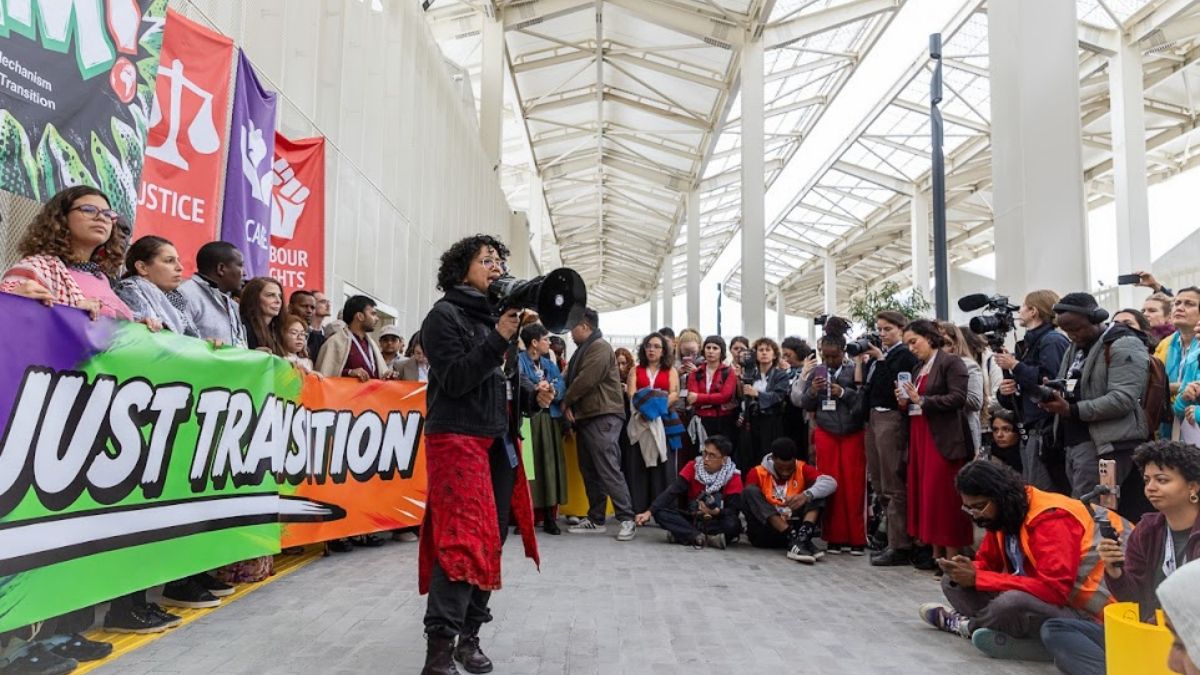
More than 700 organisations urge governments to deliver a just transition through the proposed Belém-Antalya Mechanism at COP31
The letter highlights that the COP30 commitment also recognised the need for international cooperation to help countries pursue social and economic justice within planetary boundaries, guided by the principle of Common But Differentiated Responsibilities and Respective Capabilities (CBDR-RC).
The organisations have called on governments to agree on the functions, governance, institutional arrangements and working procedures of the BAM, ensuring that it supports the rights and principles recognised at COP30.
The coalition has outlined three key demands for the proposed mechanism. These include advancing human and labour rights, decent work, quality jobs, gender equality, intergenerational equity and the rights to health, development and a clean, healthy and sustainable environment. It has also called for full respect for the individual and collective rights of Indigenous Peoples, including Free, Prior and Informed Consent and self-determination.
The second demand focusses on establishing institutional arrangements that can provide technical and financial support for Just Transition strategies, coordinate relevant bodies within and outside the United Nations and facilitate inclusive, regionally balanced knowledge exchange.
Also Read: Climate activists urge COP30 Presidency to set bold fossil fuel phaseout targets
The third demand calls for an inclusive and democratic decision-making structure that gives workers, Indigenous Peoples and vulnerable communities direct representation in decisions affecting their lives and livelihoods.

Mwanahamisi Singano
“COP31 has the potential to demonstrate what international cooperation can achieve at a time when trust in multilateral institutions is under severe strain. But multilateralism cannot be measured by the ability to bring governments to the negotiating table alone. It must be measured by whether negotiations deliver justice, uphold human rights, honour existing commitments, and respond to the realities of communities on the frontlines of the climate crisis. And at the core of that obligation at COP31 is the BAM. Feminists call for the establishment of the Belém-Antalya Mechanism to place justice, rights and equity at the heart of the transition,” says Mwanahamisi Singano, Global Policy Director at the Women’s Environment and Development Organisation and Women and Gender Constituency.

Lidy Nacpil
“Workers and communities, especially in the Global South, welcomed and celebrated the COP30 decision to develop a just transition mechanism or BAM, which has the promise of delivering real support and action for just transition on the ground. However, in Pre-COP, governments of the Global North have once again exposed their determination to pour cold water over this promise, by limiting what a mechanism can do and delaying the process of its operationalisation. We demand a just transition mechanism that provides and facilitates the support and means of implementation for just transition, ensures seats on the decision-making table for rightsholders and is fully operational by COP32,” says Lidy Nacpil, APMDD and Demand Climate Justice Constituency.

Bert De Wel
“Trade unions representing millions of workers in the global South and North have signed this letter asking for an operational Just Transition Mechanism at COP31. We need social justice and fairness in the transition to make effective climate policy implementation possible. And we know how to do it! Project and implement labour rights, social dialogue with the trade unions, a seat at the table, effective support for Just Transition implementation all will make for a BAM that will change the lives of workers and their communities,” says Bert De Wel, International Trade Union Confederation and Trade Union Constituency (TUNGO).

Anabella Rosemberg
“Last year in Belém, people power won a historic victory. Movements fought together to put people at the heart of climate action, securing the strongest commitment yet to social justice, human and labour rights, Indigenous Peoples’ rights and inclusion. Governments recognised that a Just Transition demands international cooperation and committed to creating a mechanism to deliver it. But we did not fight for this breakthrough just to see it buried in another year of negotiations. Here in Antalya, governments must turn that promise into action and establish the Belém-Antalya Mechanism, with workers and communities at its heart. Climate justice cannot wait, and neither can the people whose lives and livelihoods are on the line,” says Anabella Rosemberg, Senior Adviser on Just Transition at Climate Action Network International.
