Home
>
Eyetalk
>
Exploring the rich history of Patiala
Rate this post
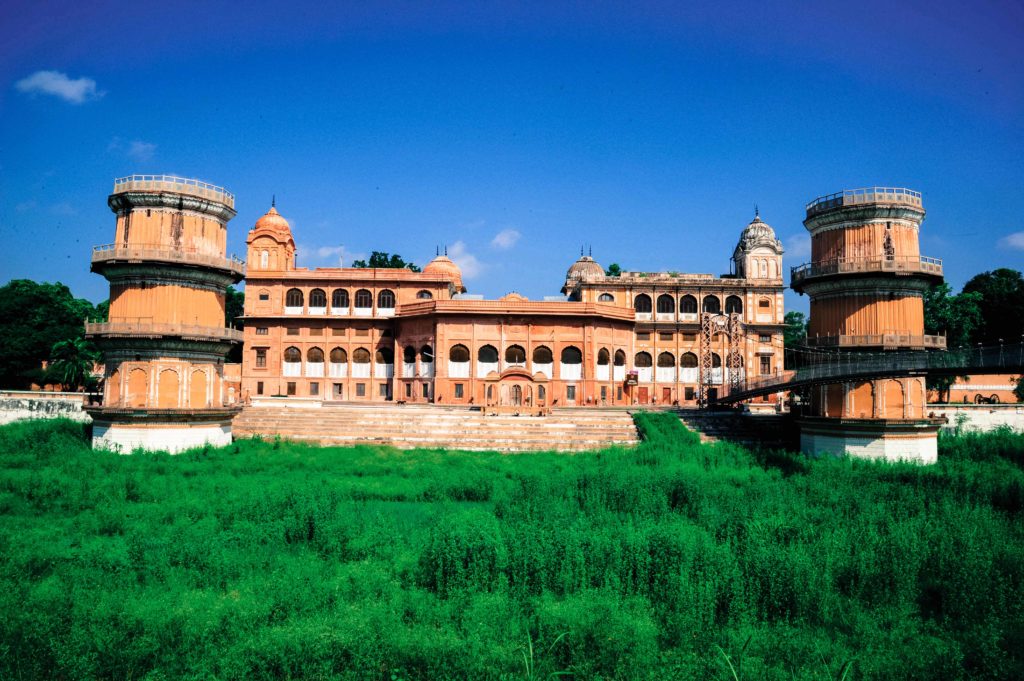
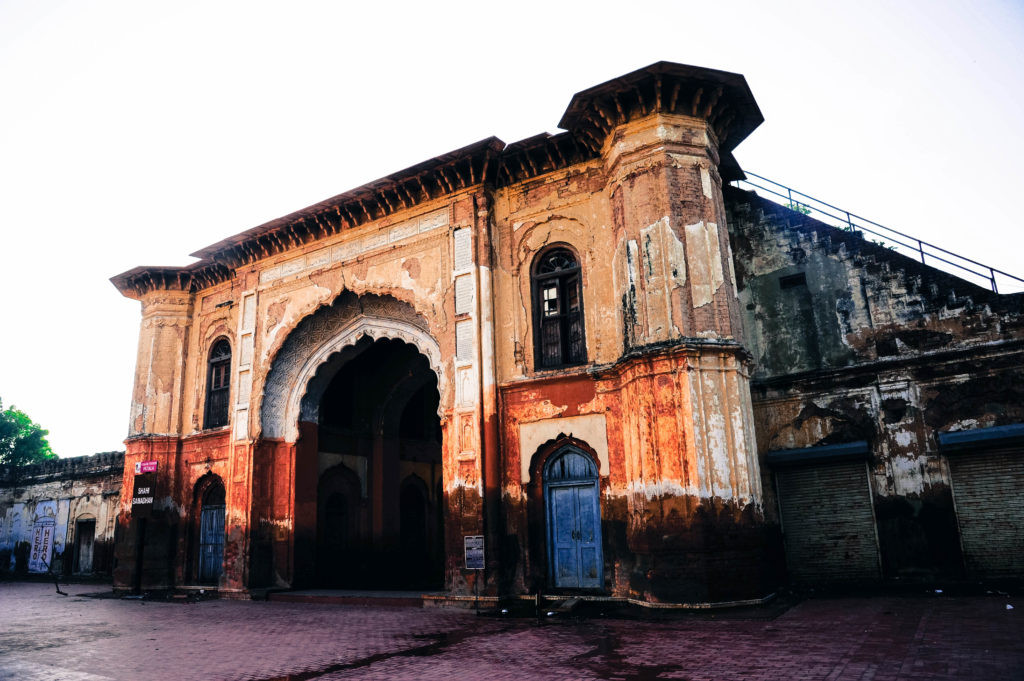
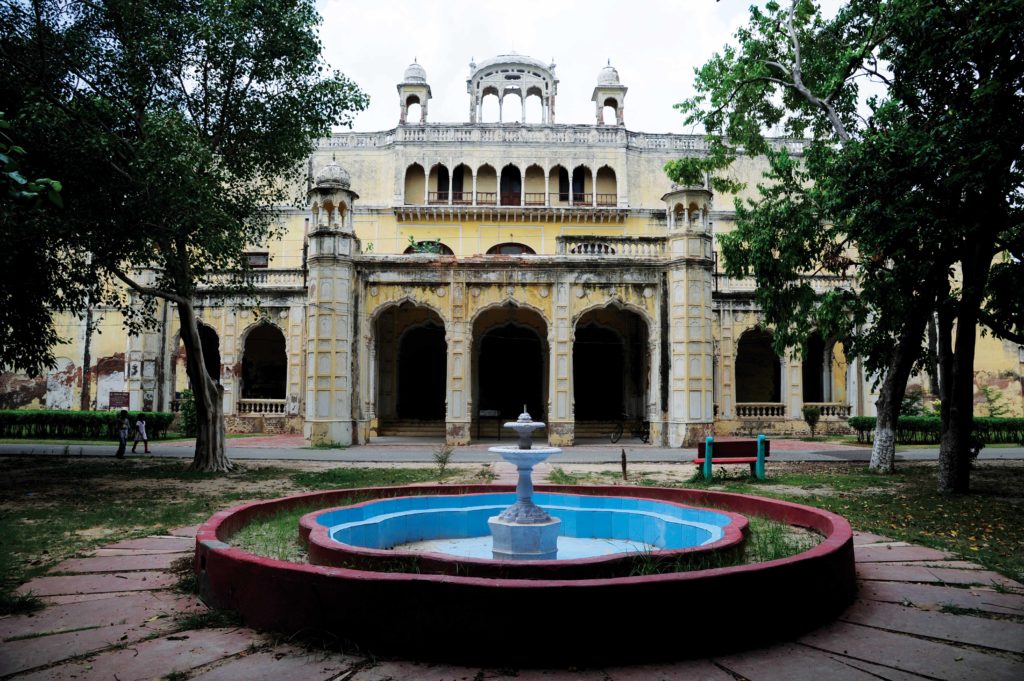
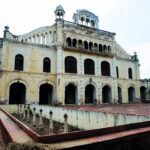
The external facade of the New Moti Bagh Palace, Patiala
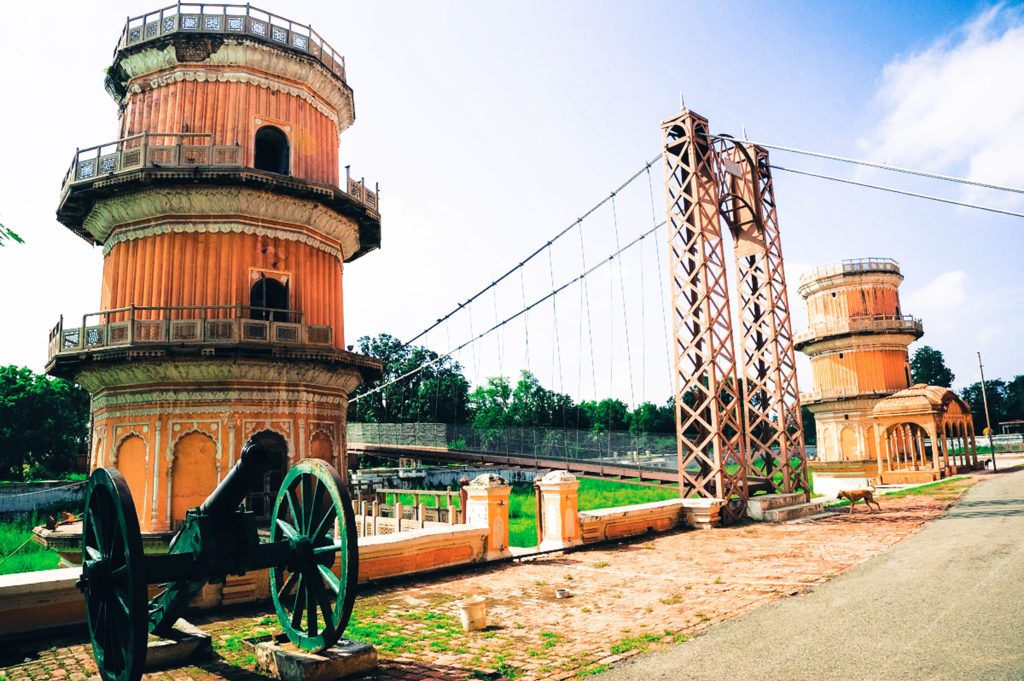
Walk across the Jhoola (bridge), which is laid across the artificial lake near the Sheesh Mahal
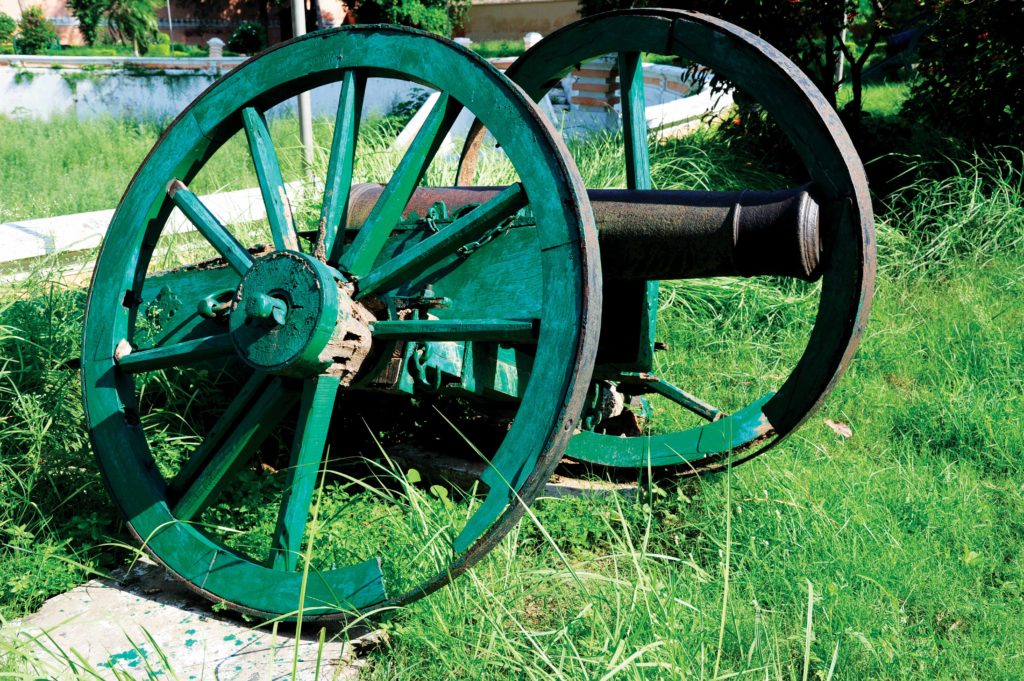
A damaged cannon on the premises of the Sheesh Mahal in Patiala
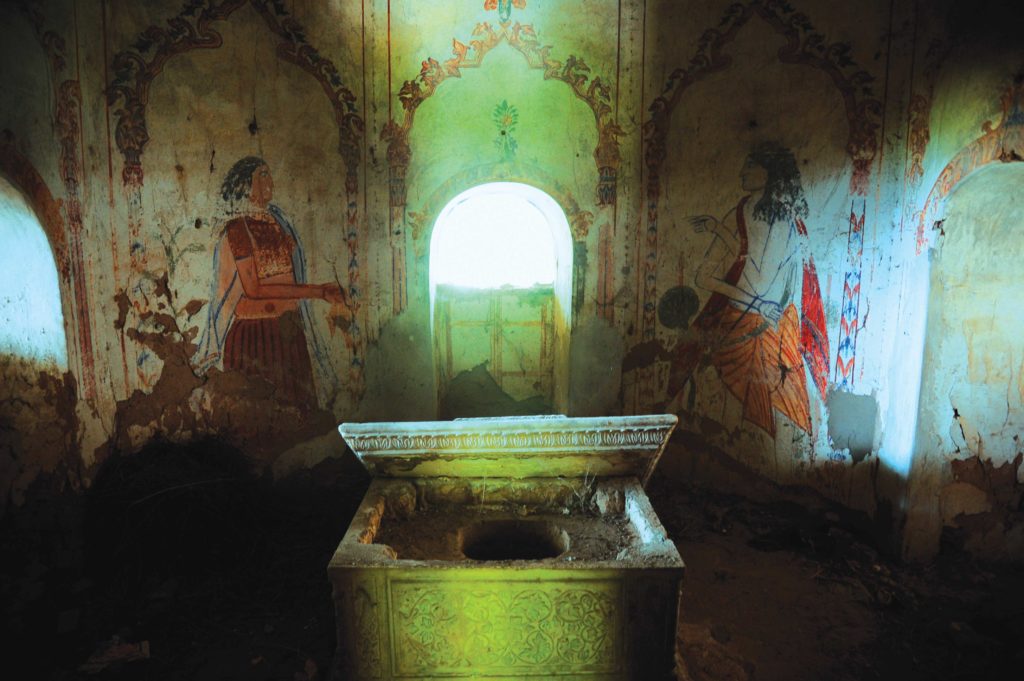
Shahi Samadhan, once a garden now a cenotaph of the rulers
Qila Mubarak is another fine example of Sikh architecture
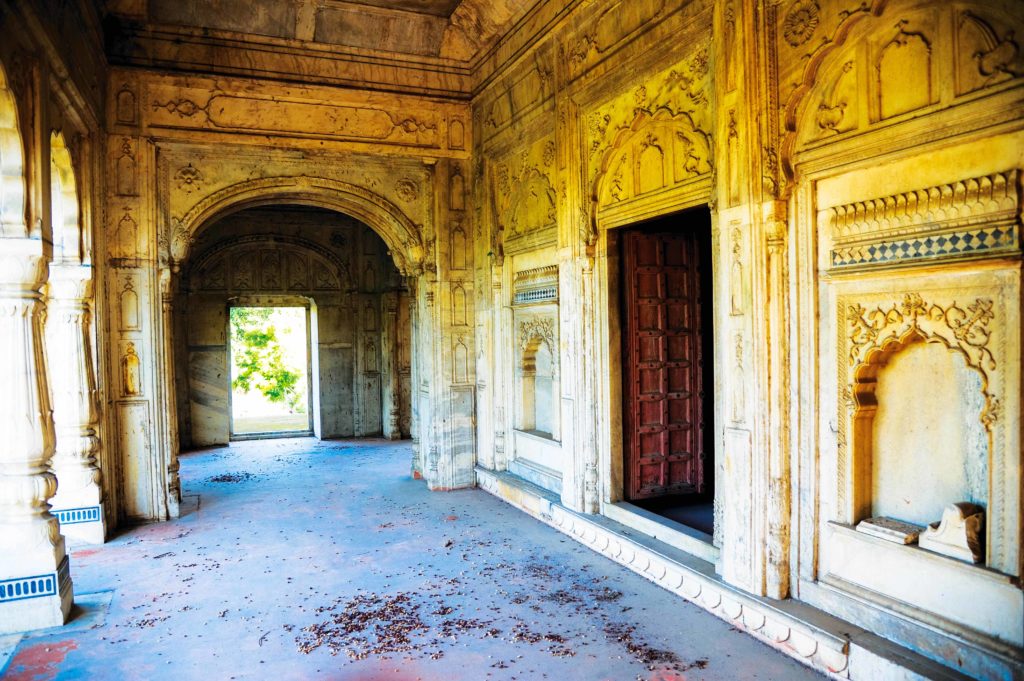
Old Moti Bag Palace was the principal residence for Patiala royal family
The museum draws inspiration from the Shalimar Garden of Lahore
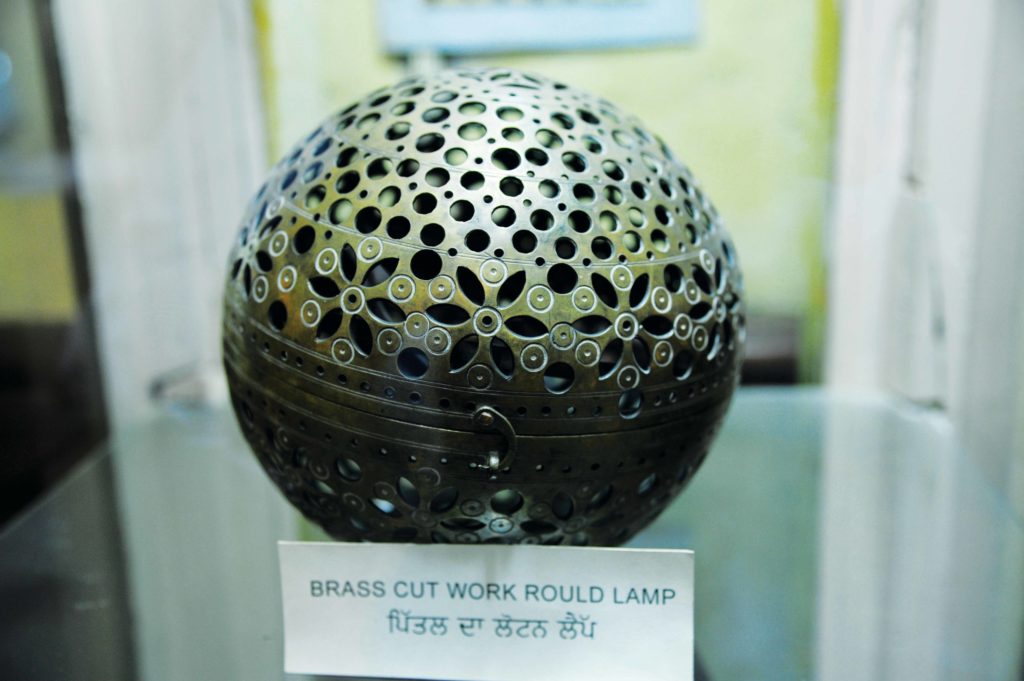
Brass cutwork round lamp at the museum
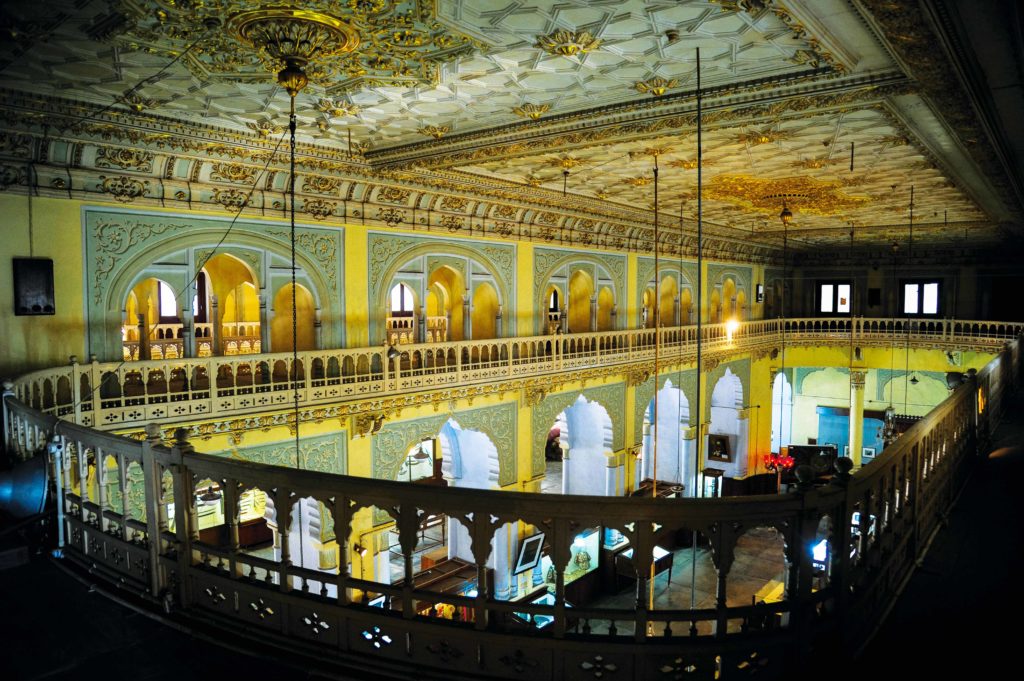
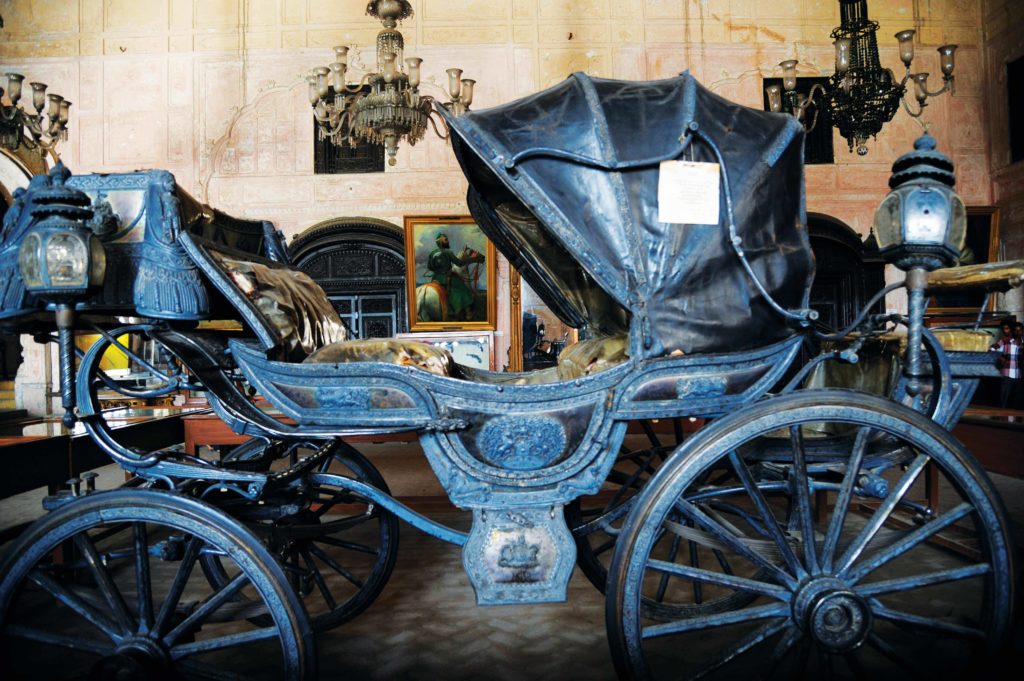
Armour and Chandelier Museum
Sheesh Mahal Museum and Art Gallery, and Durbar Hall (Qila Mubarak), Patiala
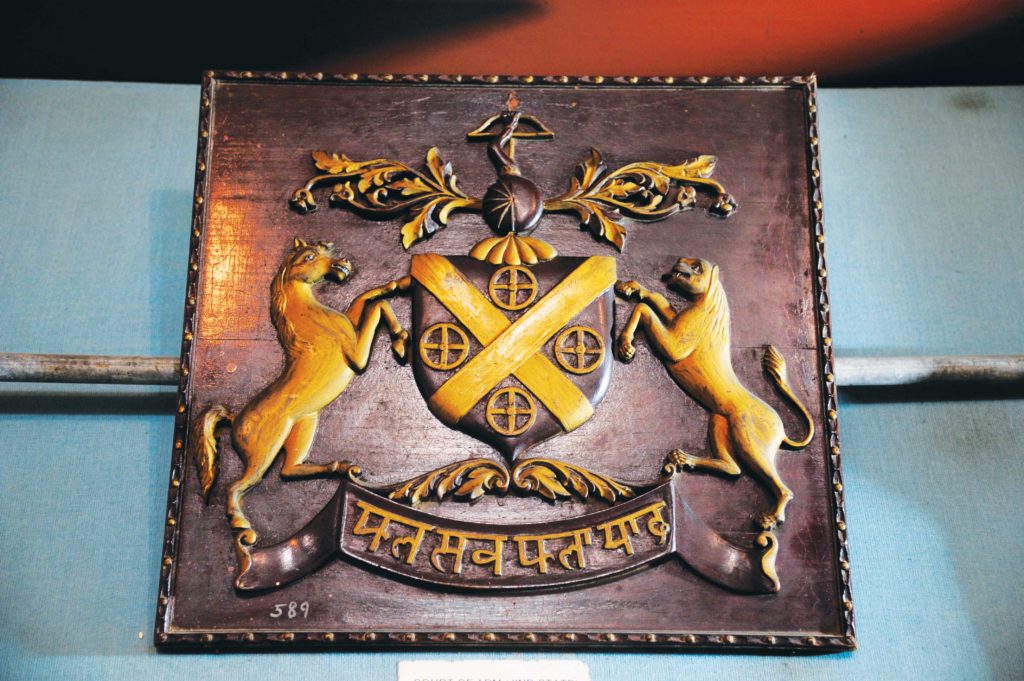
Symbol of Phulkian Dynasty (Sikh rulers and aristocrats in Punjab)
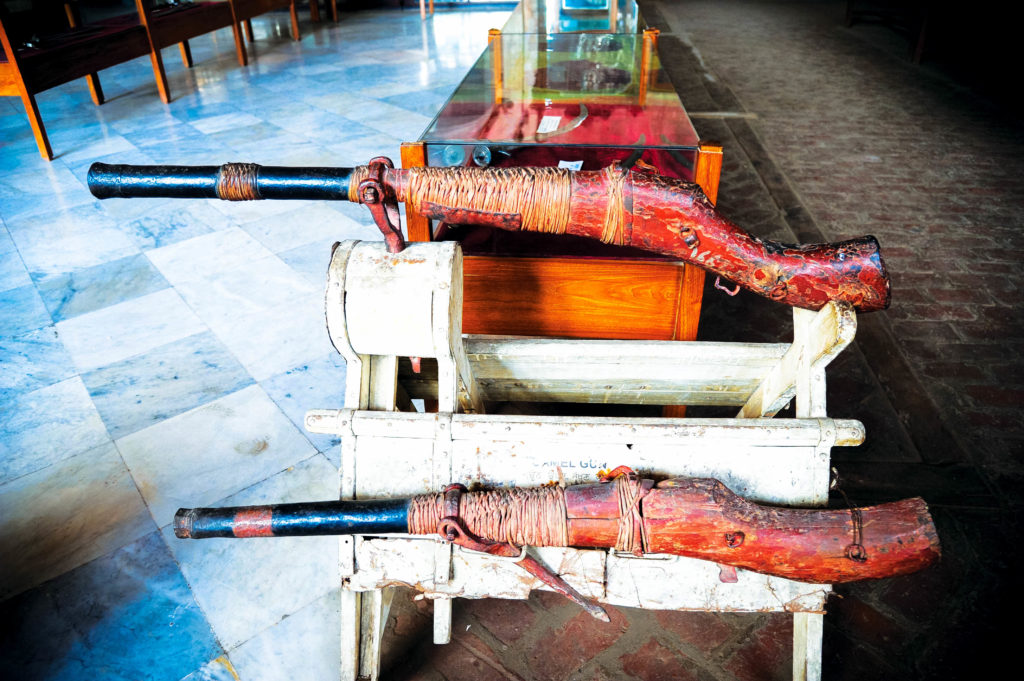
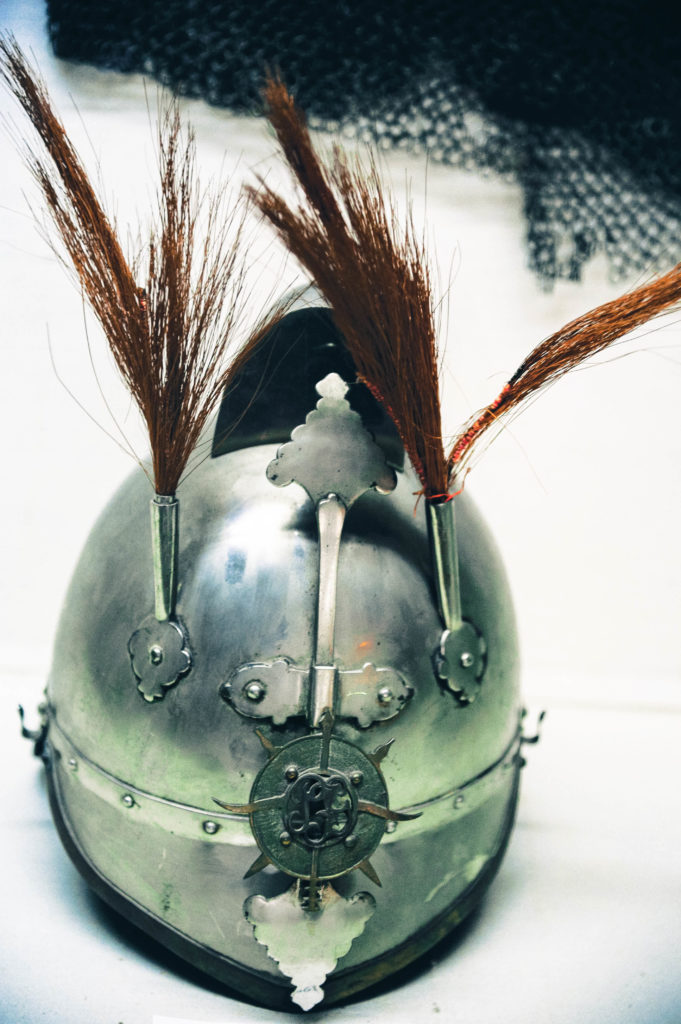
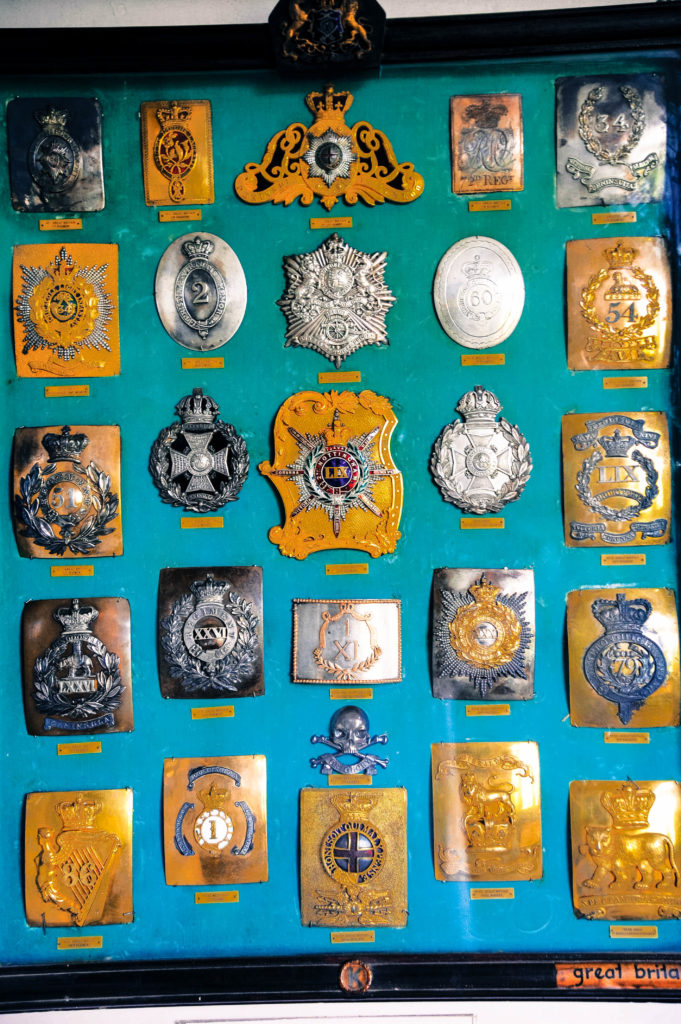
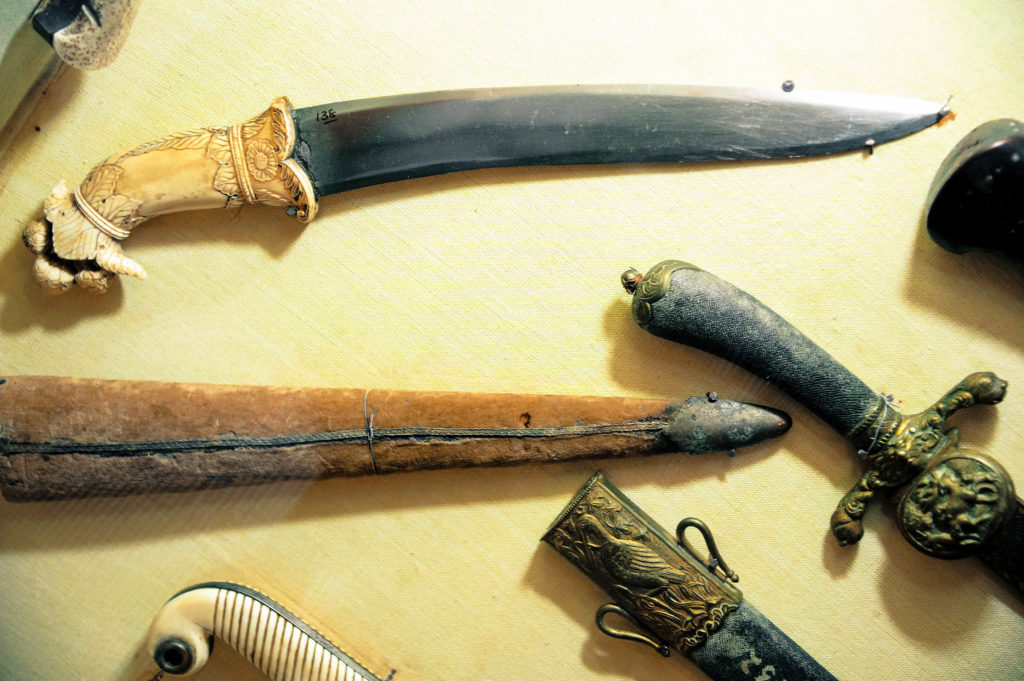
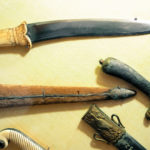
The Armour and Chandeliers Museum features a huge collection of rare and historic weapons and armours
Collection of medals that belong to the 12th-20th century
This museum has a rare and extensive collection of weapons
The external facade of the New Moti Bagh Palace, Patiala
The grandeur of the Royal Maharajas
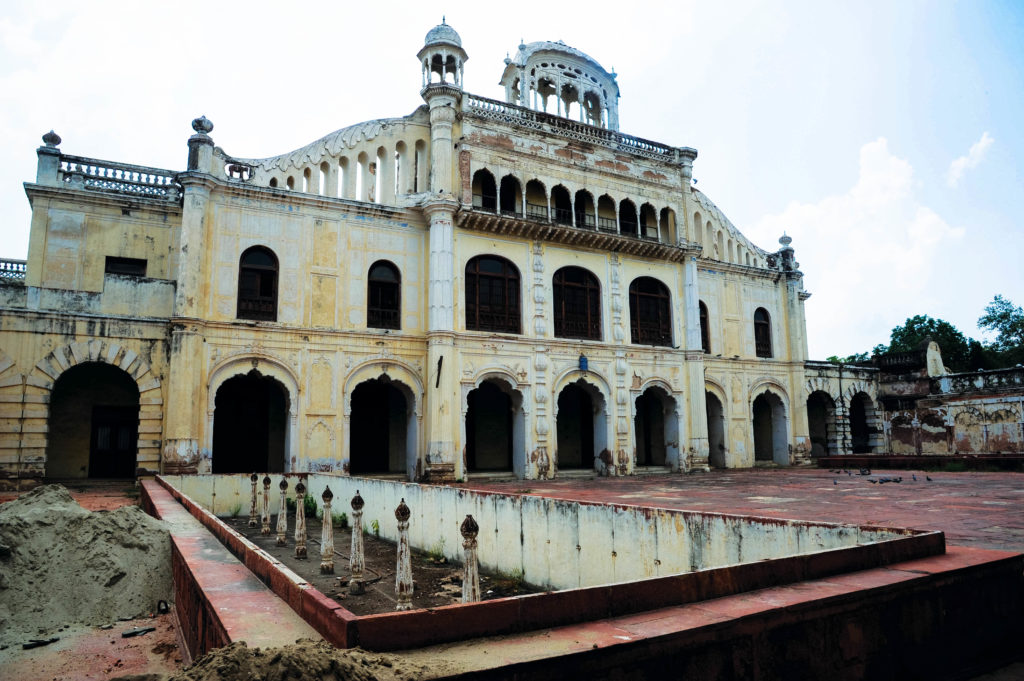
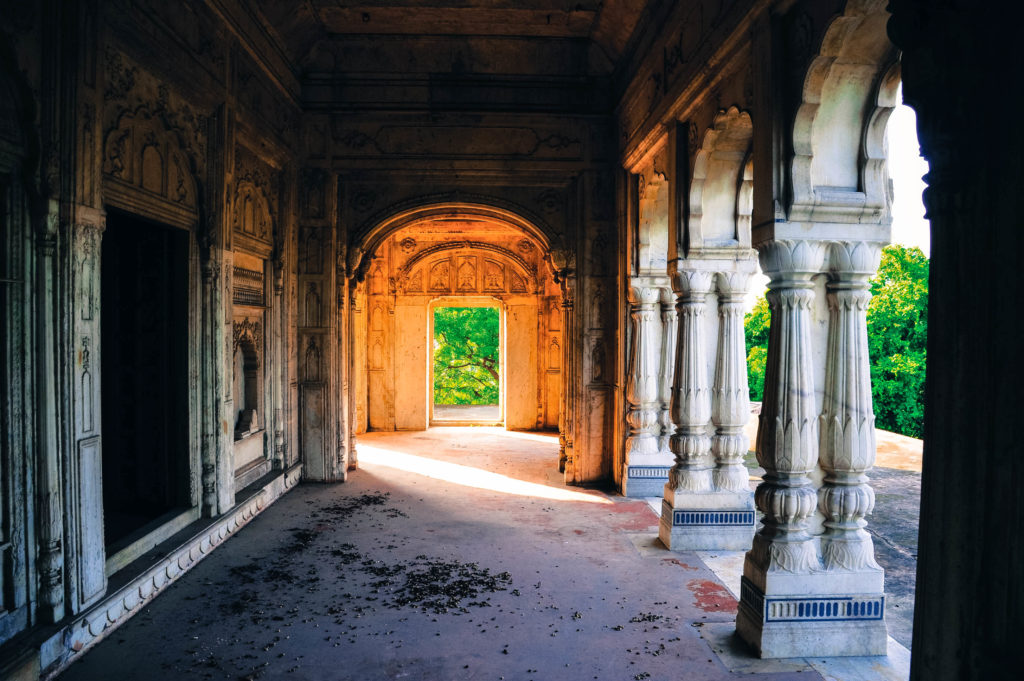
Terraced garden, water ways, skillfully decorated grills and domes, arched front gates, etc., enthralls the tourists
Shahi Samadhi Sangrur in Patiala
Patiala is a city in the north Indian state of Punjab and is the state’s fourth largest city. A fine blend of the glorious echoing past and colourful present, Patiala is known for its unique heritage and traditions.
The city provides an enriching glimpse of the lifestyle, conquests and legacy of the erstwhile kings. Rajput and Mughal architecture of 17th to 18th century along with renowned palaces and museums have always drawn large number of tourists from various parts of the country. For this reason Patiala is also known as city of gardens and palaces.
One of the most beautiful feats of that time is the Sheesh Mahal (Palace of Mirrors) in Patiala. It is a fine representation of Mughal and European style of architecture, situated just behind another beautiful building known as Moti Bagh Palace. The three-storied building is an inspiration from the famous garden of Lahore, known as Shalimar Bagh. The mirrors of Sheesh Mahal reflect courage, valour and the glory of that time. Maharaja (King) Narinder Singh built this mahal in 1847 and his great interest in fine arts, literature and music led him to build the wonderful Darbar Hall also known as an Armour and Chandeliers Museum.
The beauty of the Palace comprises of suspension bridge, fountains, terraces and an artificial lake in the middle of the Palace. It is also known as the residential palace of Maharaja of Patiala.
Patiala presents a brilliant spectrum of different cultures with a blend of the modern present and traditional past while displaying the bold spirit of Mughals and Rajputs, which reminds us of the glorious past of Patiala and the rich history of Punjab.
Aparna
antique
architecture
architecture of india
armour
arms
art
building
chandeliers
collection
culture
daggers
Darbar Hall Museum
heritage
History
india
legends
luxman jhoola
medal
metal
miniature paintings
mughal
museum
old
old moti bag palace
palace
Patiala
portraits
Punjab
Quila Mubarak
red sandstone
sheesh mahal patiala
suspension bridge
weapons
wooden frames work