Old is gold again: Rewriting fashion through upcycling
Young women revive family wardrobes through creativity
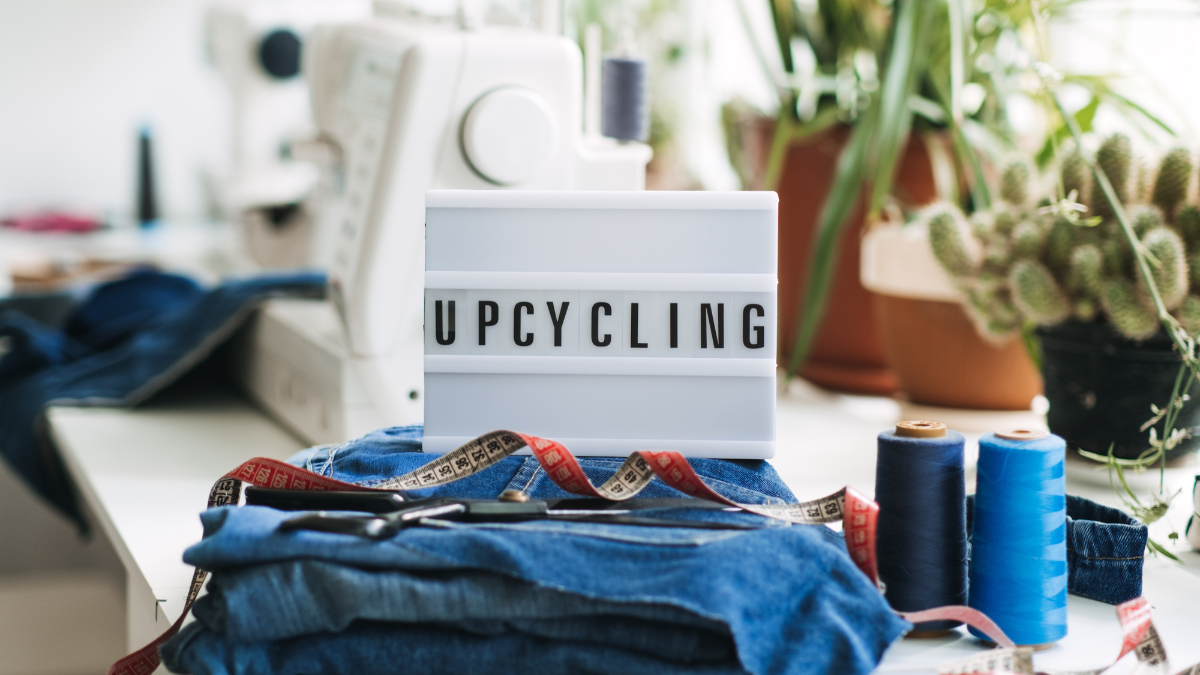
A cultural shift embracing upcycling, transforming old clothes into stylish, wearable pieces
A quiet shift is taking place in fashion in India, where young women are using the wardrobes of their mothers and grandmothers to create something new. Clothes that were stored away as keepsakes are now being redesigned into modern outfits, reflecting a growing culture of sustainable fashion rooted in memory, creativity and conscious living.
A cultural shift embracing upcycling, transforming old clothes into stylish, wearable pieces
Across India, social media has become a key platform for the cultural shift towards upcycling and creative reuse of old clothes. Creators are sharing stories of old sarees turned into dresses, vintage kurtas reshaped into modern silhouettes and dupattas reimagined as statement pieces. This approach blends personal history with present-day style, proving that fashion can evolve without discarding the past.
Tradition meets contemporary style

Rachel D’cruz
For many creators, upcycling is more than a trend. It is a way to reconnect with heritage. Rachel D’cruz, as @thateclecticone.
She transforms pre-loved or discarded clothing into fresh, wearable pieces, using simple alterations and creative styling to retain their emotional value. Through her viral videos and Instagram posts, she demonstrates how damaged or outdated clothes can become chic, everyday outfits, including projects like repurposing old sofa covers into stylish dresses. Her work promotes sustainable fashion habits and creative self-expression, treating clothing as a medium for storytelling and she shares her process through series like Fix With Me, focussing on making upcycled pieces both practical and stylish.

Pallavi Singh
Similarly, Pallavi Singh known online as @modaninja, is an Indian sustainable fashion and lifestyle creator based in Delhi, uses her social media platform to promote slow fashion and ethical choices. By combining aesthetics with sustainability, she highlights how reusing clothes can be both stylish and responsible. Her content reflects a lifestyle that values longevity over constant consumption.
She has been featured in influencer listings and has received awards or mentions such as Cosmopolitan India’s fashion blogger award early in her career and more recent recognitions in the sustainability and creator space.
Also read: Fast fashion runs into sustainable fashion

Reshma Kadvath
Sustainable fashion is also finding space in traditional celebrations. A notable example is Reshma Kadvath @reshmakadvath, who upcycles old sarees from Kerala into fresh outfits for festivals. Reshma originally comes from Kerala and is based in Delhi. She is a published author and decor enthusiast. Her work shows how festive dressing can remain rooted in tradition while embracing sustainability, offering an alternative to buying new clothing every season.
She also uses her platform to highlight handloom artisans, flea markets and heritage crafts, encouraging viewers to support small makers and think about sustainability in everyday choices rather than just trends.
A Slower, more meaningful fashion shift
What sets this shift apart is its emotional depth. Wearing a redesigned garment is also an act of remembrance. A grandmother’s saree or a mother’s kurta carries stories that new clothes cannot replicate. By reshaping these pieces, young women are preserving memories while adapting them to modern lifestyles.
The visual storytelling have helped make this culture mainstream. Quick transformations and before-and-after videos have turned upcycling into something aspirational, shifting perceptions from necessity to creativity.
As fast fashion continues to dominate trends, this emerging culture offers a quieter alternative. It celebrates individuality, heritage and responsibility. Sustainable fashion in India today is not just about reducing waste. It is about honouring the past, valuing craftsmanship and proving that sometimes, the most meaningful fashion statements are already waiting at home.