Home
>
Eyetalk
>
Hola Mohalla – a unique Sikh festival
5/5 - (1 vote)
Gathering of Sikhs at Anantpur Sahib for Hola Mohalla
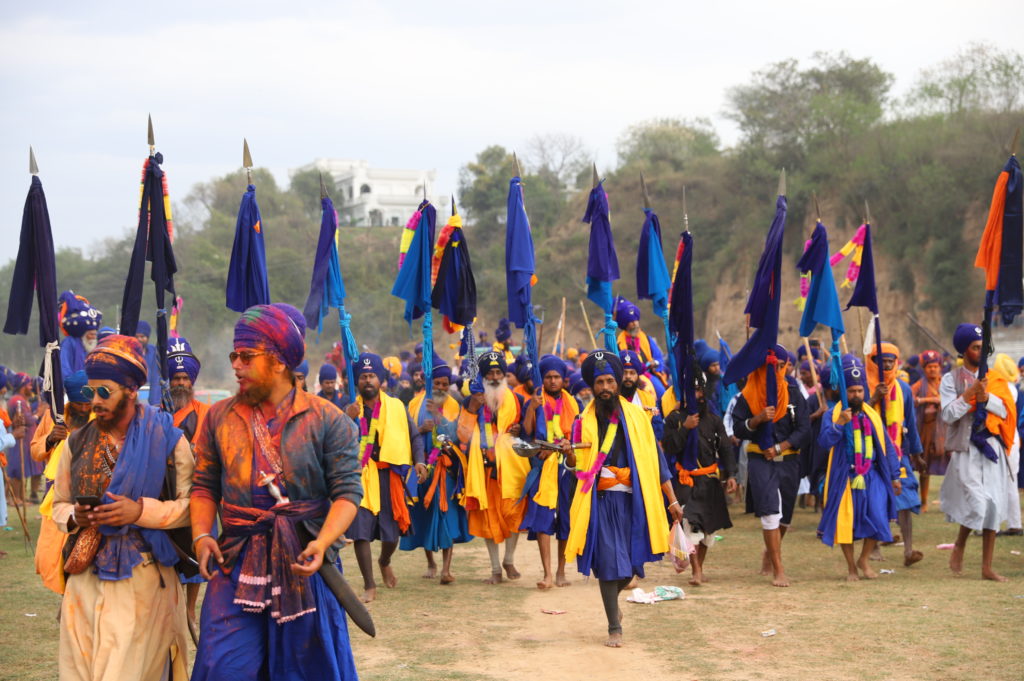
Procession of Hola Mohalla
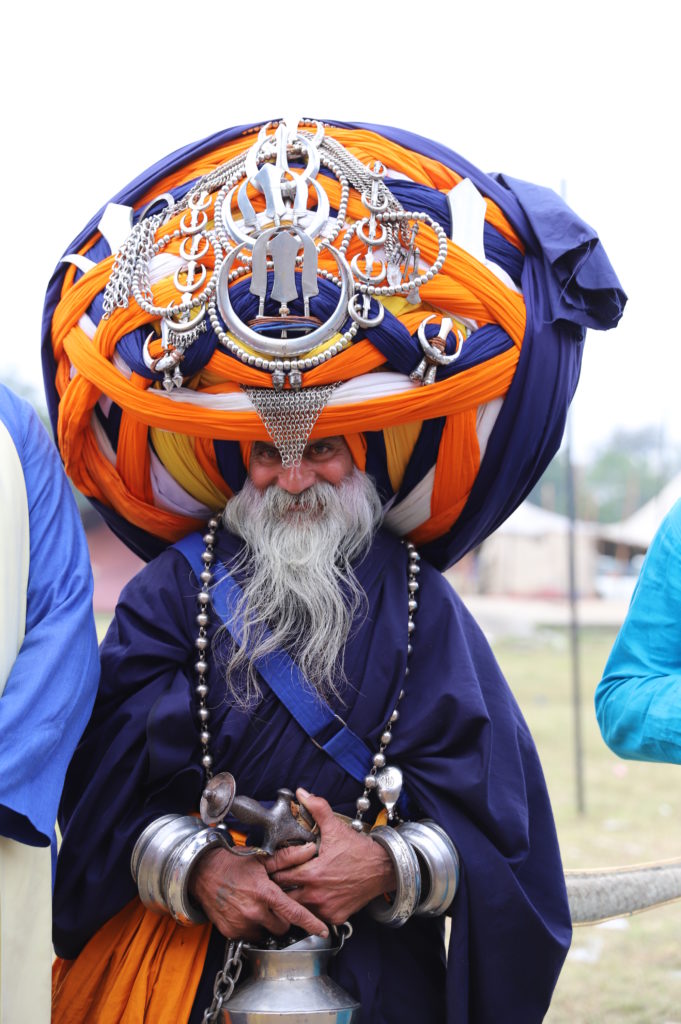
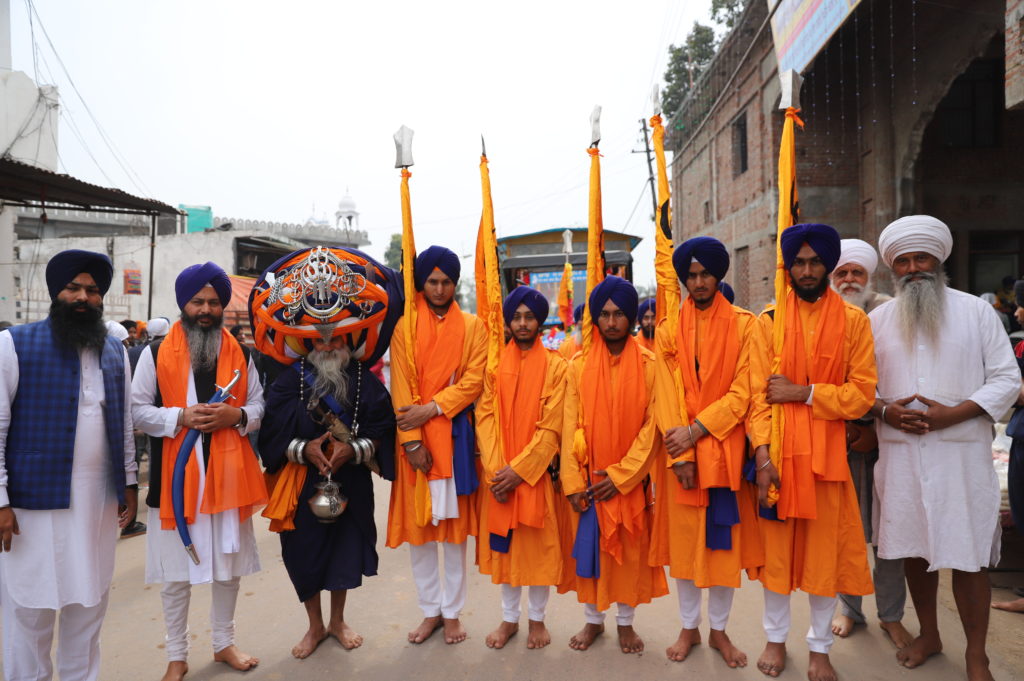
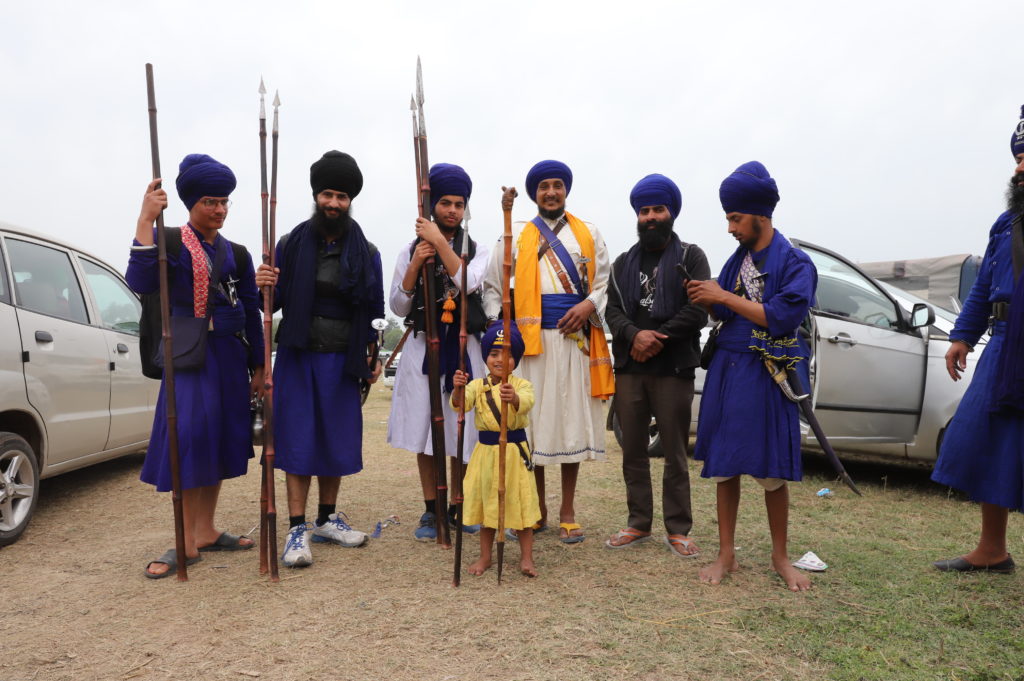
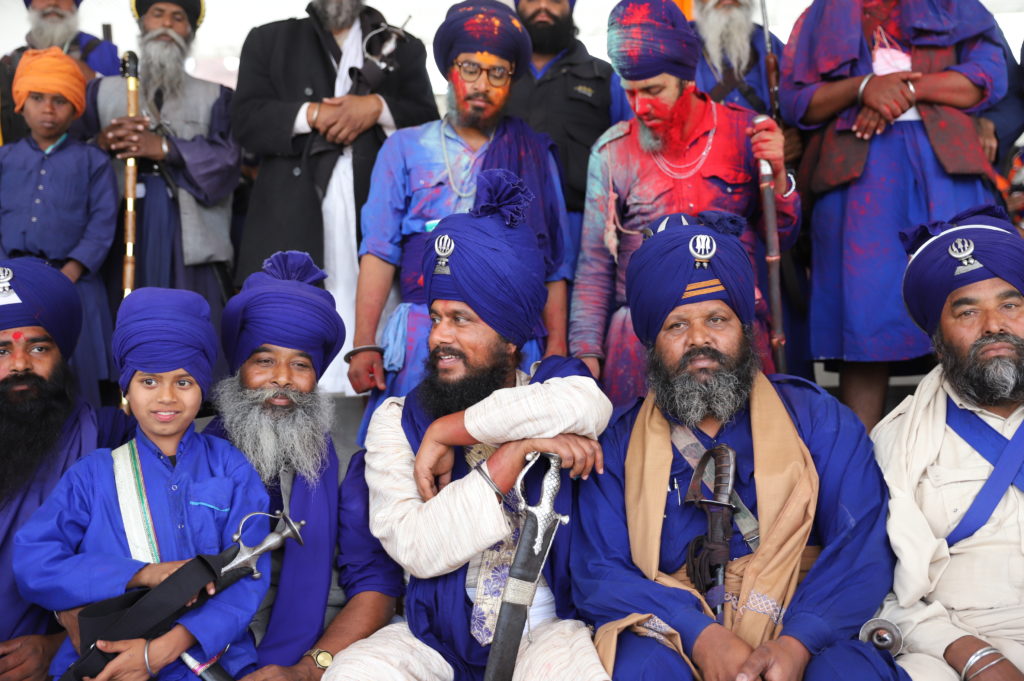
A portrait of Nihang warriors with big turbans - a symbol of Sikhism during Holla Mohalla
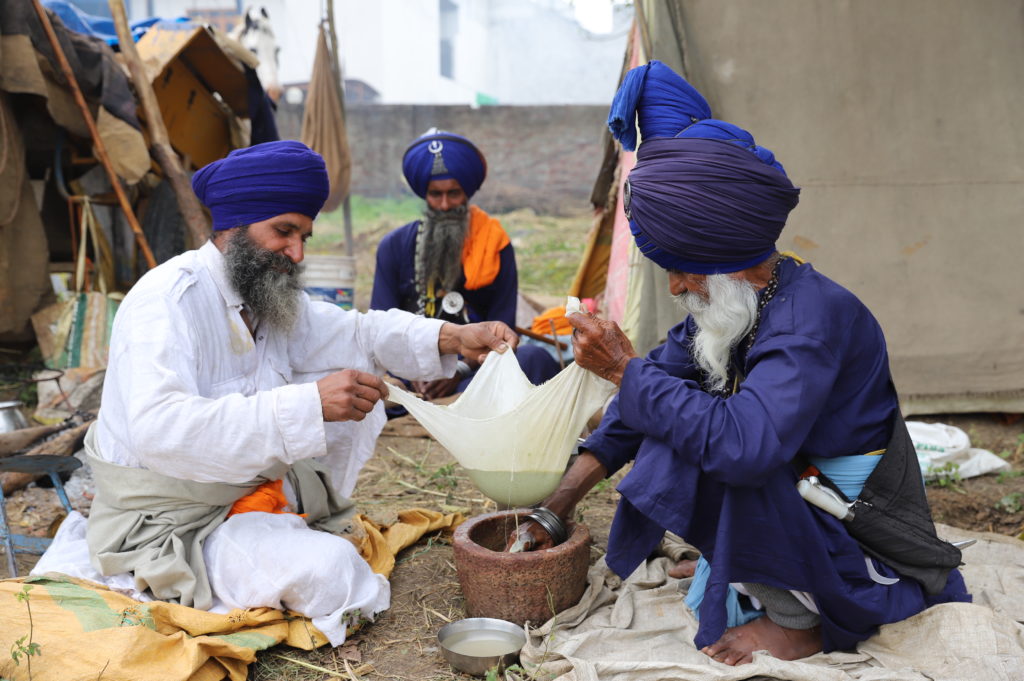
'Nihang' preparing Shaheedi Degh, a milk drink with marijuana
Bhai Baba Avtar Singh Mahakaal, famous throughout the Sikh community for his unique turban (645 metres in length)
The procession on the last day led by Panj Pyaras.
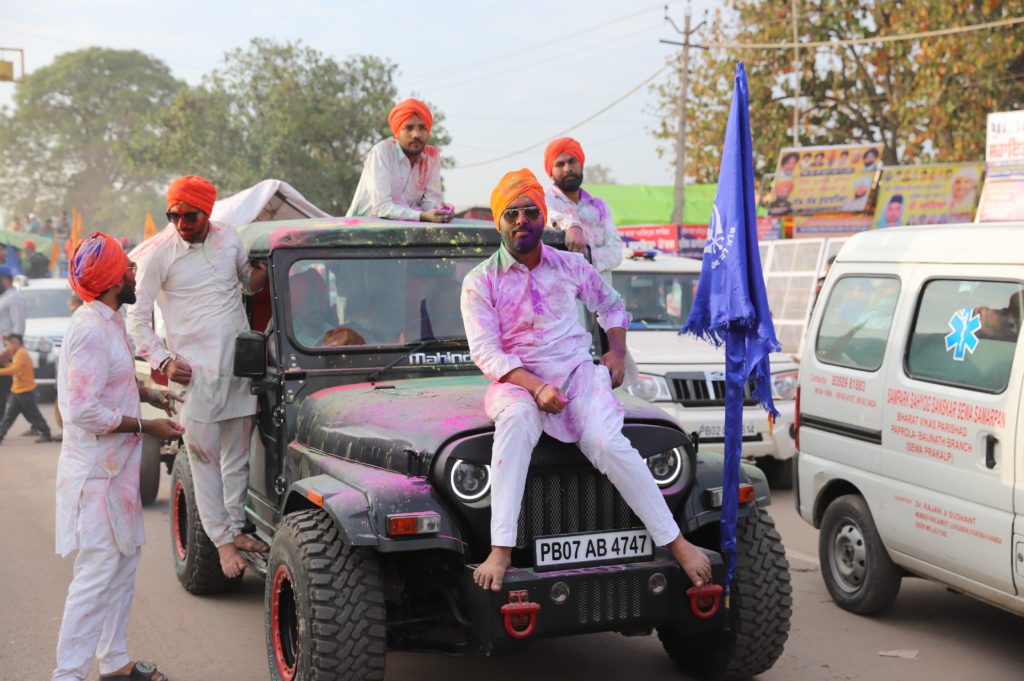
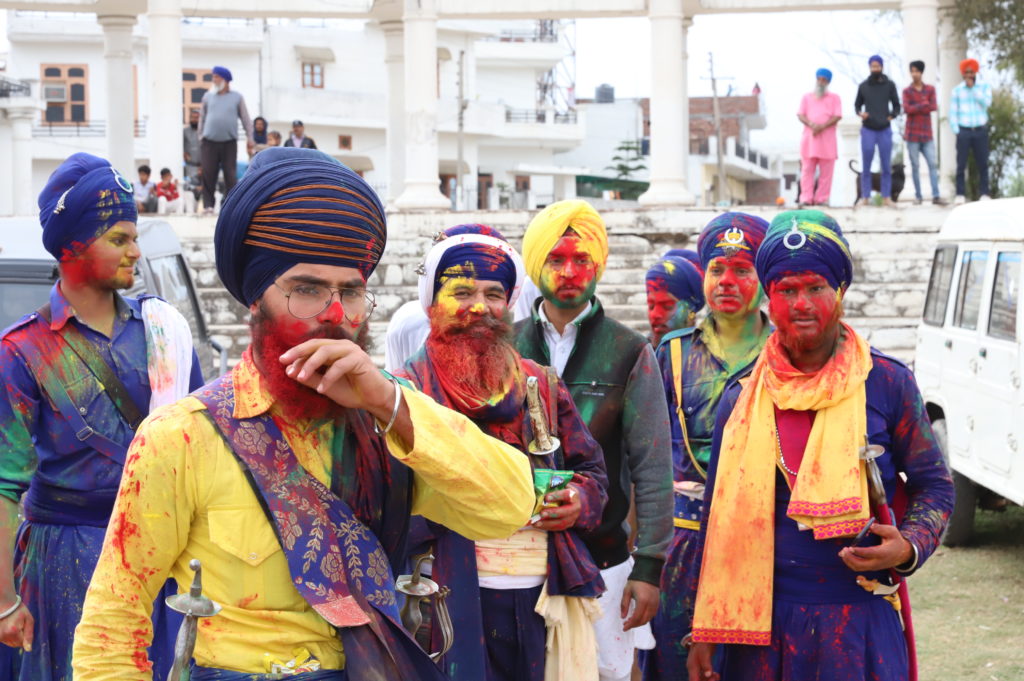
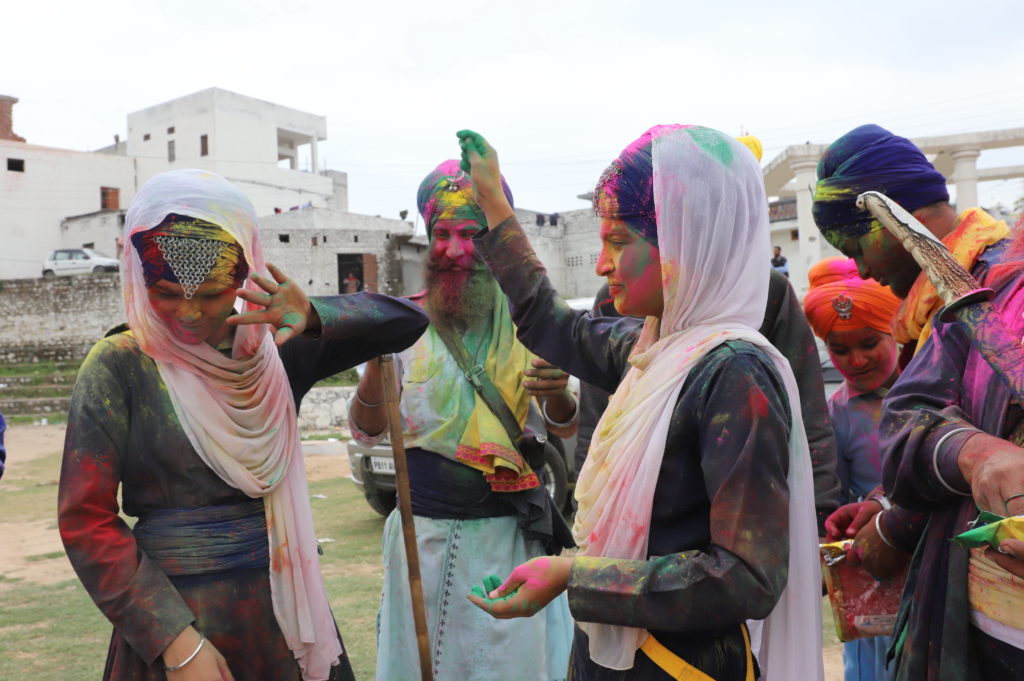
The Nihangs apply coloured powders to their faces to celebrate the brotherhood that unites them
Spreading the colour of joy and happiness
Anandpur Saheb, Hola Mohalla Festival, Punjab
The festival brings together all ages and everyone indulges in adventurous activities
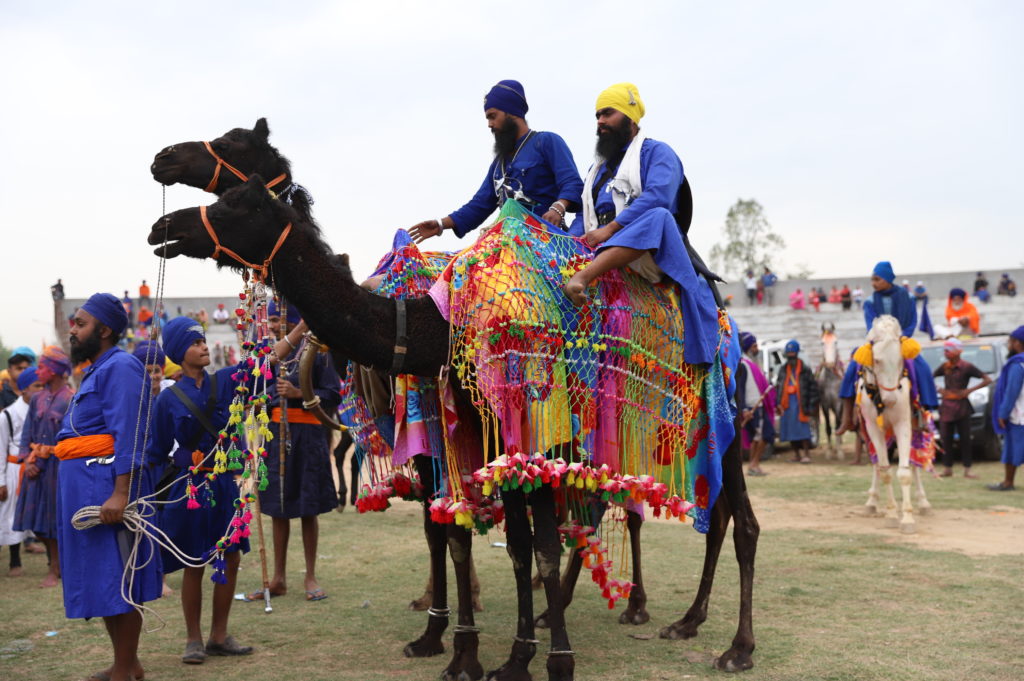
During Hola Mohalla, the Sikhs parade dressed in an electric blue suit and a saffron turban
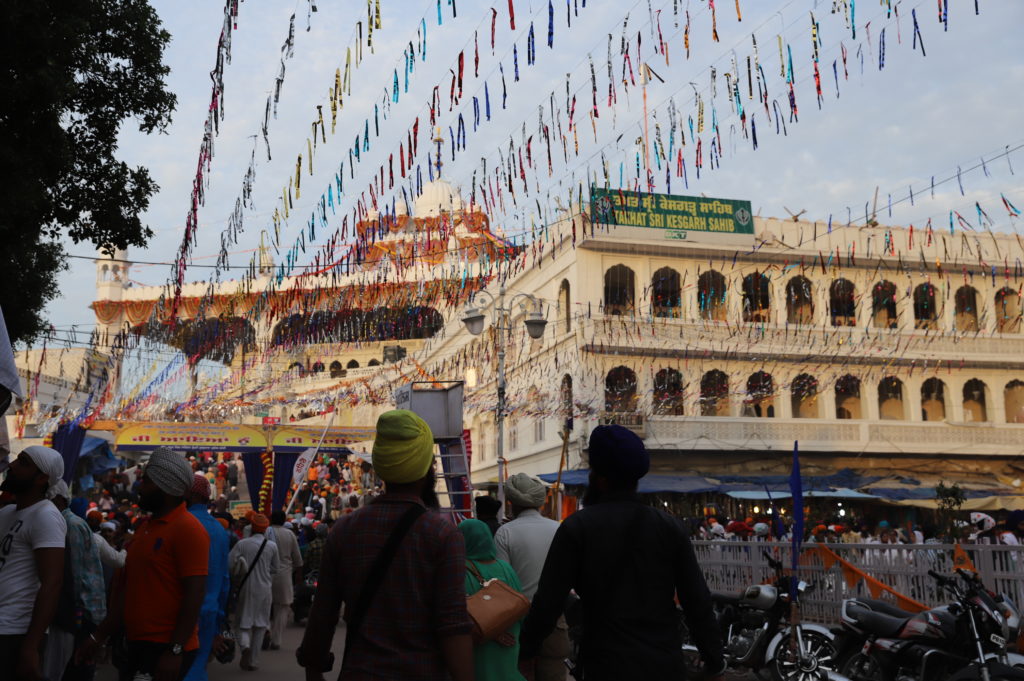
Sikhs gather in Anandpur Sahib during the celebration of Hola Mohalla
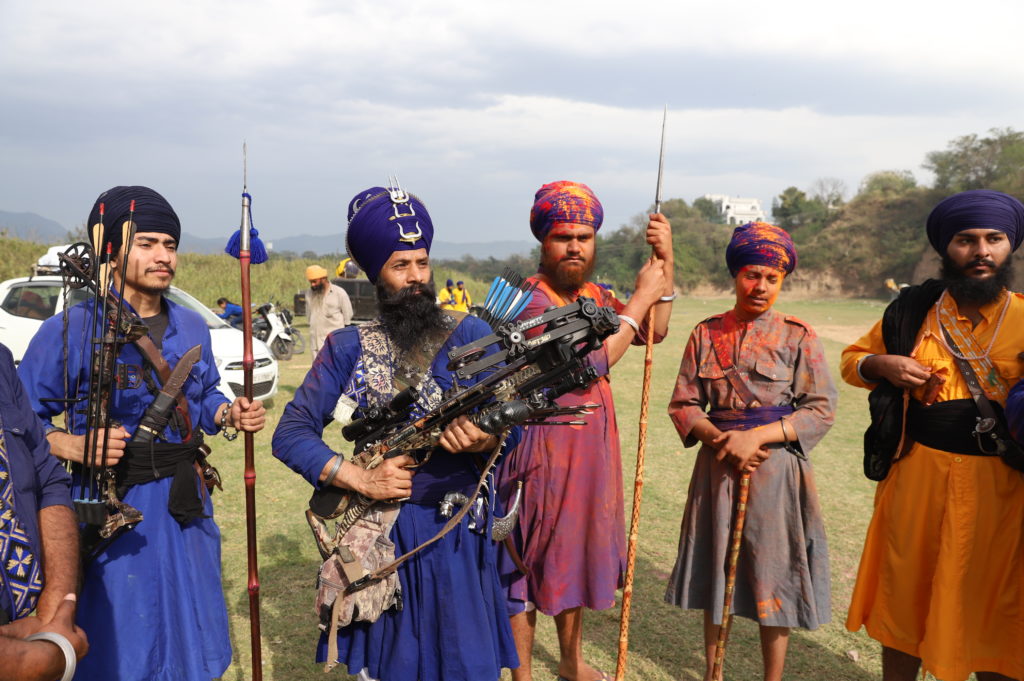
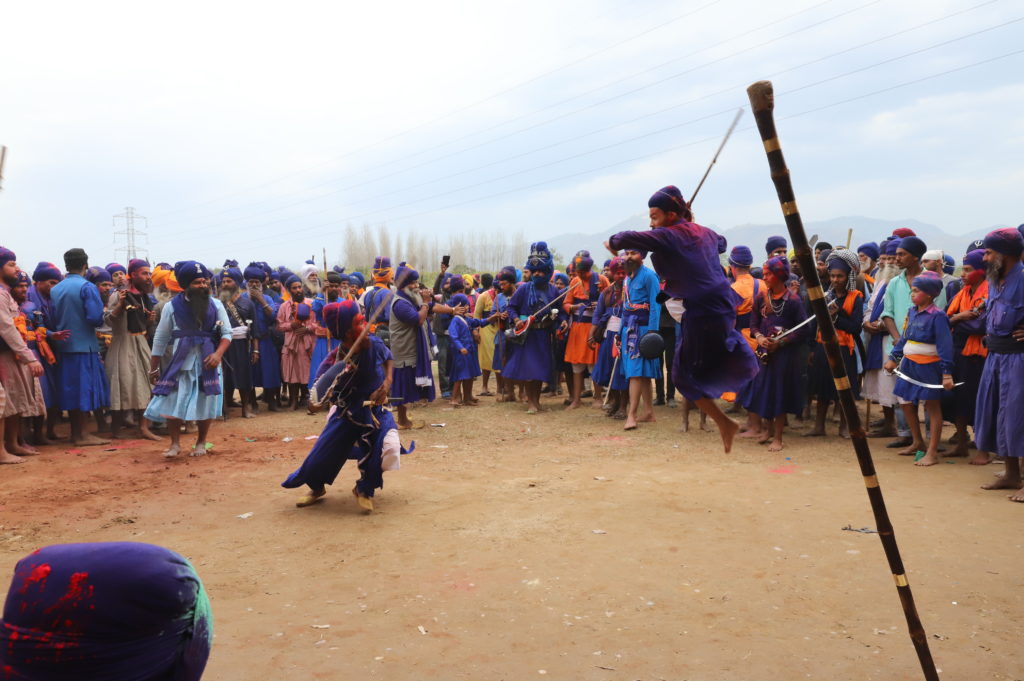
The three day event includes spectacular horse riding, daring sword fighting, mock battles or Gatka and archery by the Nihang Sikhs
Sporting shining swords, long spears, conical turbans, the Nihangs present a fierce picture
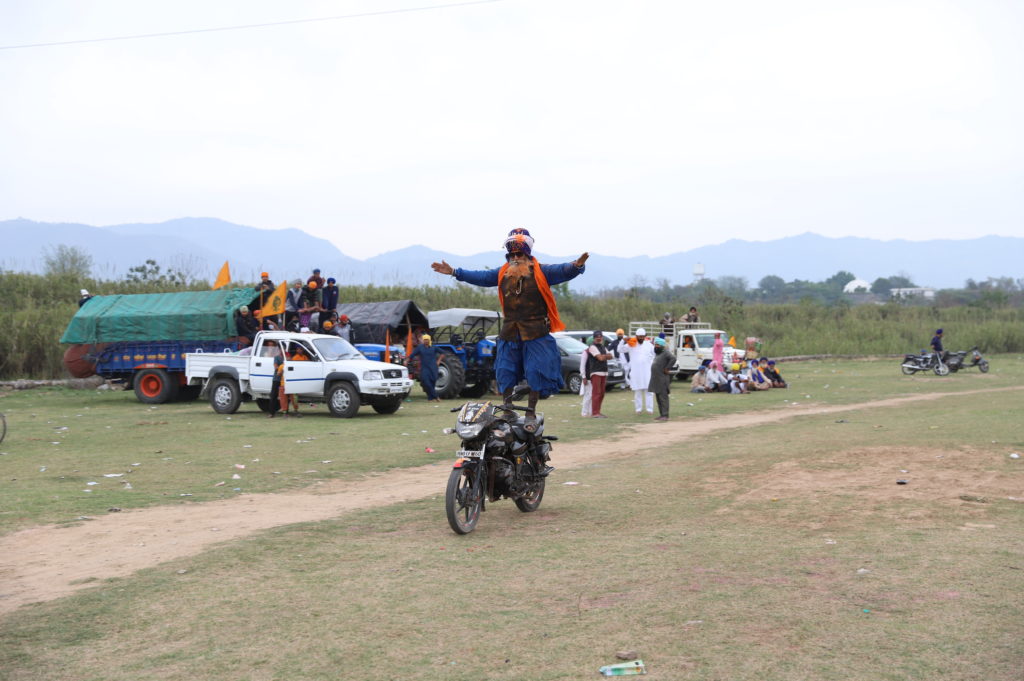
Stunts on a bike
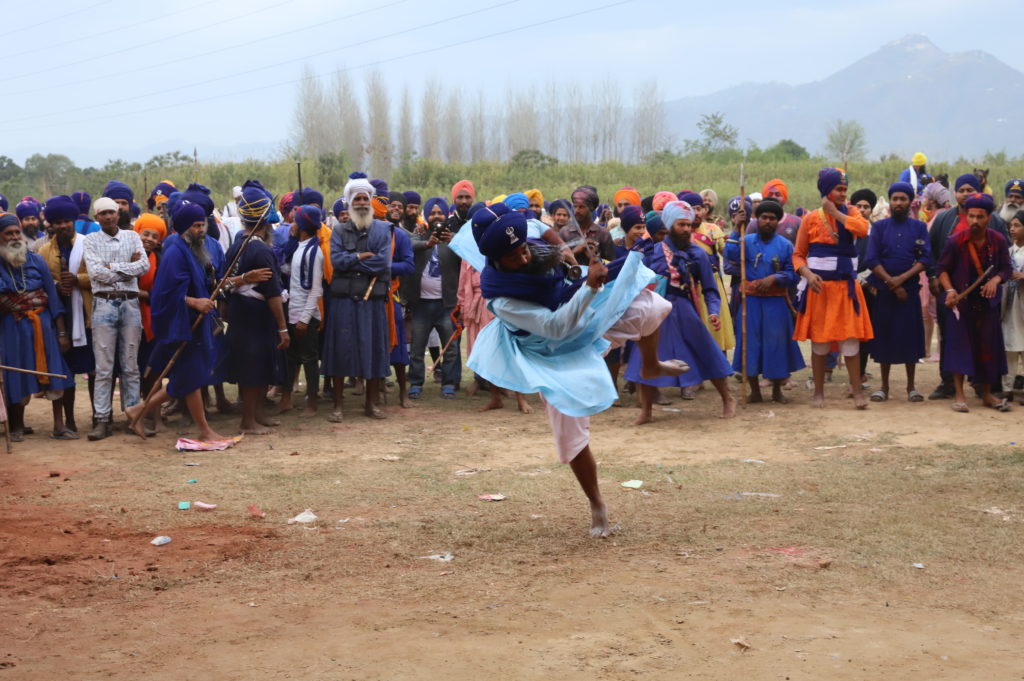
A Nihang displaying his sword techniques
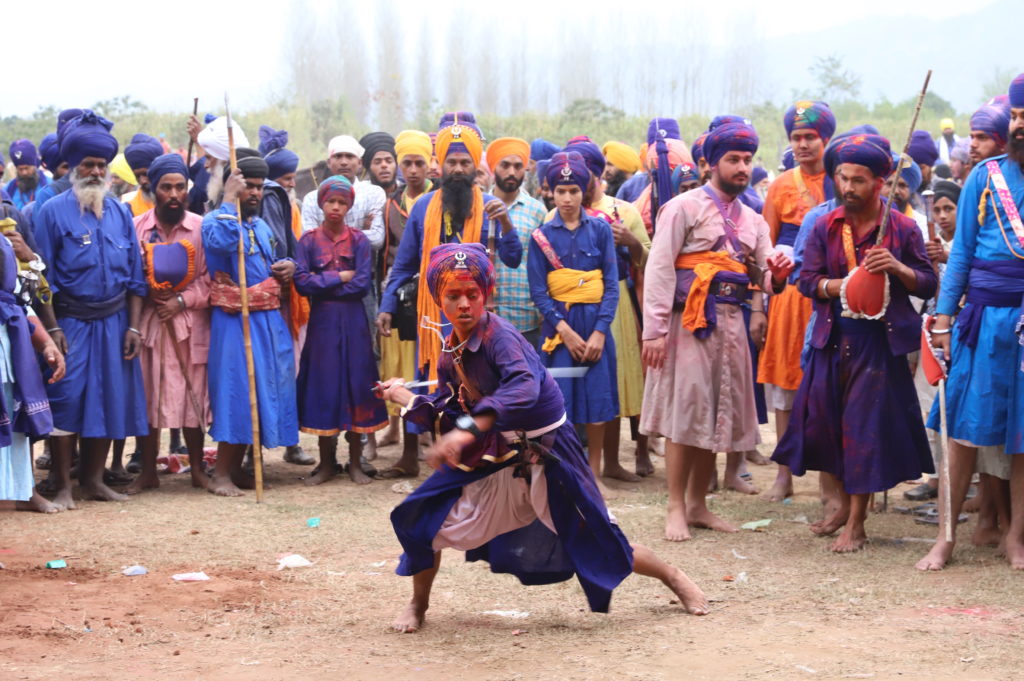
A young boy demonstrating his martial arts skills
Hola Mohalla is a festival celebrated by Sikhs, held annually at Takhat Sri Keshgarh Sahib Gurdwara (Sikh place of worship) in Anandpur Sahib in north Indian state of Punjab. It is usually celebrated one day after the Hindu festival, Holi that celebrates the arrival of spring.
Hola Mohalla was created by the tenth Sikh Guru Gobind Singh in 1757 to appeal to the bravery and courage of his community as it struggled against the Mughal invaders. The Nihangs (members of the Sikh army founded by Guru Govind Singh) still perpetuates the martial tradition with demonstrations of fencing and horse riding.
The festival begins with the morning prayers in the gurdwaras. The Guru Granth Sahib (sacred book of Sikhs) was brought out ceremoniously and placed on the dais. The festival brings together all ages and everyone indulges in adventurous activities such as standing races on a motorcycle or on a horse or shooting contests. Sikhism is a monotheistic religion. There are nearly 27 million followers around the world. Sikhs are usually identified by the turban they wear. During Hola Mohalla, the Sikhs take part in the procession dressed in an electric blue suit and a saffron turban. The festival remains peaceful, however, the Nihangs (the warriors) exhibit impressive weapons.
During this three-day festival, simulated battles are organised during which the Nihangs perform demonstrations of Gatka (the Sikh martial art). Activities also include music and poetry competitions.
For people visiting Anandpur Sahib during the festival, langars (community canteens) are organised by local people. Raw materials such as wheat flour, rice, vegetables, milk and sugar are offered by villagers living nearby. Women and men volunteer to cook and others help clean the utensils. Traditional cuisine is served to all participants, who eat while sitting in rows, on the floor.
Aparna
2018
anandpur saheb
Anandpur Sahib
annual
Archery
arms
attraction
bareback
battle
blue brigade
brotherhood
celebration
colored powder
Colours
costumes
courage
crowd
Cultural
culture
dance
décoration
design
determination
devotees
electric blue
expressions
fair
faith
festival
festivity
fire
folk
gatka
greeting
Gurudwara
happiness
headscarf
HolaMohalla
holi
hope
horseriding
incredible india
india
Indians
inspiration
khalsa
langars
large group of people
mankind
Martial arts
martial games
multicoloured
music
Nihang
people
pilgrimage
Portrait
prayer
procession
Punjab
Punjab tourism
Punjabi
religion
ritual
sikh
sikh new year
Sikhism
skilled
speeding horses
spiritual
sword
tourism
tradition
Traditional
traditional attire
traditional sports
travel destinations
Turban
warrior
weapon