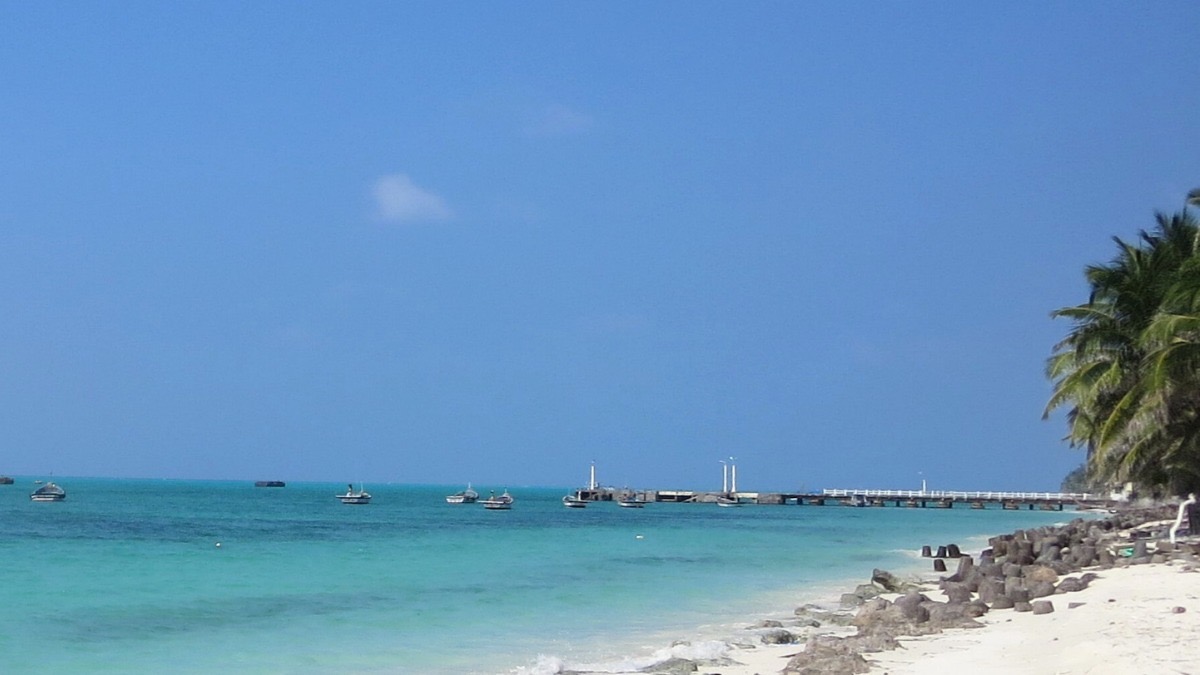
Amini is widely regarded as one of Lakshadweep’s traditional craft centres (Photo: Incredible India)
Amini Island is a small, lived-in coral island in Lakshadweep where quiet lagoons, traditional crafts and everyday village life define the experience, offering travellers an understated escape shaped by the sea, close-knit community and long-held maritime culture rather than resort-style tourism.
Located roughly 400 km west of Kochi, Amini lies between Kavaratti and Kadmat islands and covers a tiny area of just over 2.5 sq km. Low-lying and oval-shaped, the island is an ancient coral atoll, surrounded by a shallow turquoise lagoon and a protective reef. Coconut palms, narrow sandy lanes and modest homes define its landscape, while the sea remains central to daily life.
Unlike some Lakshadweep islands developed primarily for tourism, Amini retains a strong village character. Fishing schedules, boat repair, prayer times and family gatherings set the rhythm of the day, giving the island a lived-in, grounded feel rather than a packaged holiday setting.
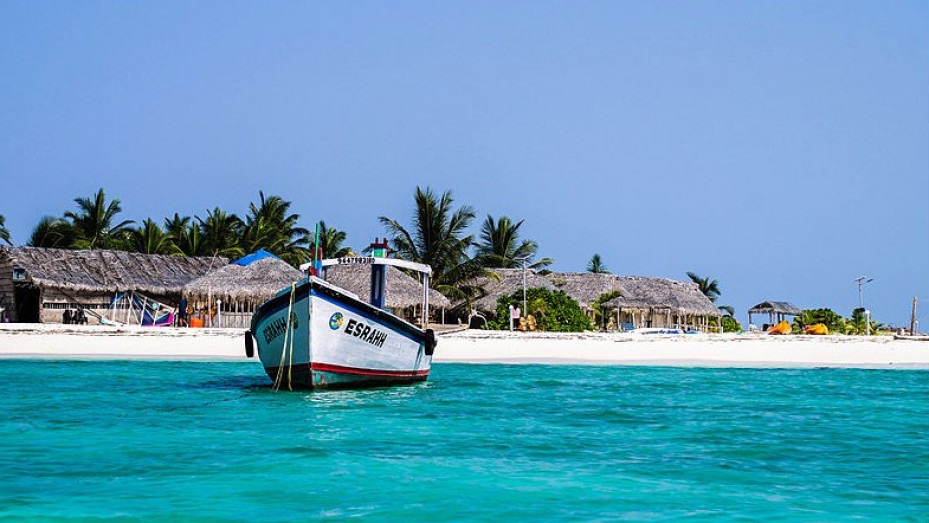
Amini Island is one of Lakshadweep’s lesser-known inhabited islands
An island shaped by craft and community
Amini is widely regarded as one of Lakshadweep’s traditional craft centres. The island’s artisans are known for hand-carved walking sticks, coir products, mats and small household items made from coconut wood, shell and coral stone. These crafts are not produced for large markets but are part of a long-standing culture of self-sufficiency and skill passed down through generations.
Community life revolves around shared spaces and the shoreline. Evenings often see people gathering along the beach, repairing nets, talking or watching fishing boats return to the lagoon.
People, heritage and belief
The residents of Amini belong primarily to the Aminidivi group, considered among the earliest settlers of Lakshadweep. Their ancestry reflects centuries of interaction between coastal India and Arab seafarers, which has shaped local customs, language and religious practices.
Islam plays a central role in everyday life, influencing festivals, social structure and daily routines. Religious occasions such as Eid are observed collectively, marked by prayers, communal meals and quiet celebration rather than large public events.
Malayalam is widely spoken, though the local dialect carries distinct island influences. Oral traditions, folk songs linked to fishing and boat paddling and informal storytelling remain part of cultural expression, even if rarely performed for visitors.
Quiet shores and lesser-known island spaces
Amini does not have formally designated tourist attractions in the conventional sense, but its understated spaces are part of its appeal.
Eastern lagoon edge
The calmer side of the island opens onto a shallow lagoon where the water is clear and gentle. Early mornings here are particularly serene, with soft light reflecting off coral sands and fishing boats drifting out to sea.
Western shoreline
Facing the open sea, the western side offers uninterrupted sunset views and long stretches of sand where locals walk in the evenings. It is one of the best places to experience the island’s quiet pace.
Village lanes and craft corners
Walking through the interior lanes reveals everyday island life, small workshops and homes where coir ropes are twisted and wooden items shaped by hand. These informal spaces offer a deeper understanding of Amini beyond its coastline.
Lagoon waters and reefs
The surrounding reef system supports snorkelling, reef walking and glass-bottom boat rides, though activities are modest and dependent on weather and local arrangements. The marine environment, rather than structured adventure, is the main draw.
Food rooted in sea and coconut groves
Amini’s cuisine reflects its geography and simplicity. Meals are built around fresh fish, coconut and rice, prepared with minimal waste and strong familiarity.
Tuna and reef fish are cooked as curries, lightly spiced fries or dried preparations, often paired with rice and coconut-based gravies. Coconut is used in almost every form, grated, pressed for milk or toasted for flavour.
Simple sides include lentils, local greens and pickles, while bananas and breadfruit appear seasonally. Food here is not elaborate but deeply satisfying, shaped by availability and tradition rather than presentation.
Everyday island rhythm
Life on Amini moves slowly and predictably, guided by tides, weather and community routines. There is little nightlife, limited commercial infrastructure and a strong sense of familiarity among residents.
Visitors often find that the island’s appeal lies not in activities but in observation, watching boats being built or repaired, listening to the call to prayer echo across the village or sitting by the lagoon as the light shifts through the day.
When to visit
The best time to visit Amini Island is between October and March, when seas are calmer and the weather is relatively dry and pleasant. This period is ideal for boat travel, lagoon activities and walking around the island.
The monsoon months bring rougher seas and limited access, while summer can be warmer and more humid, though still quieter than mainland destinations.