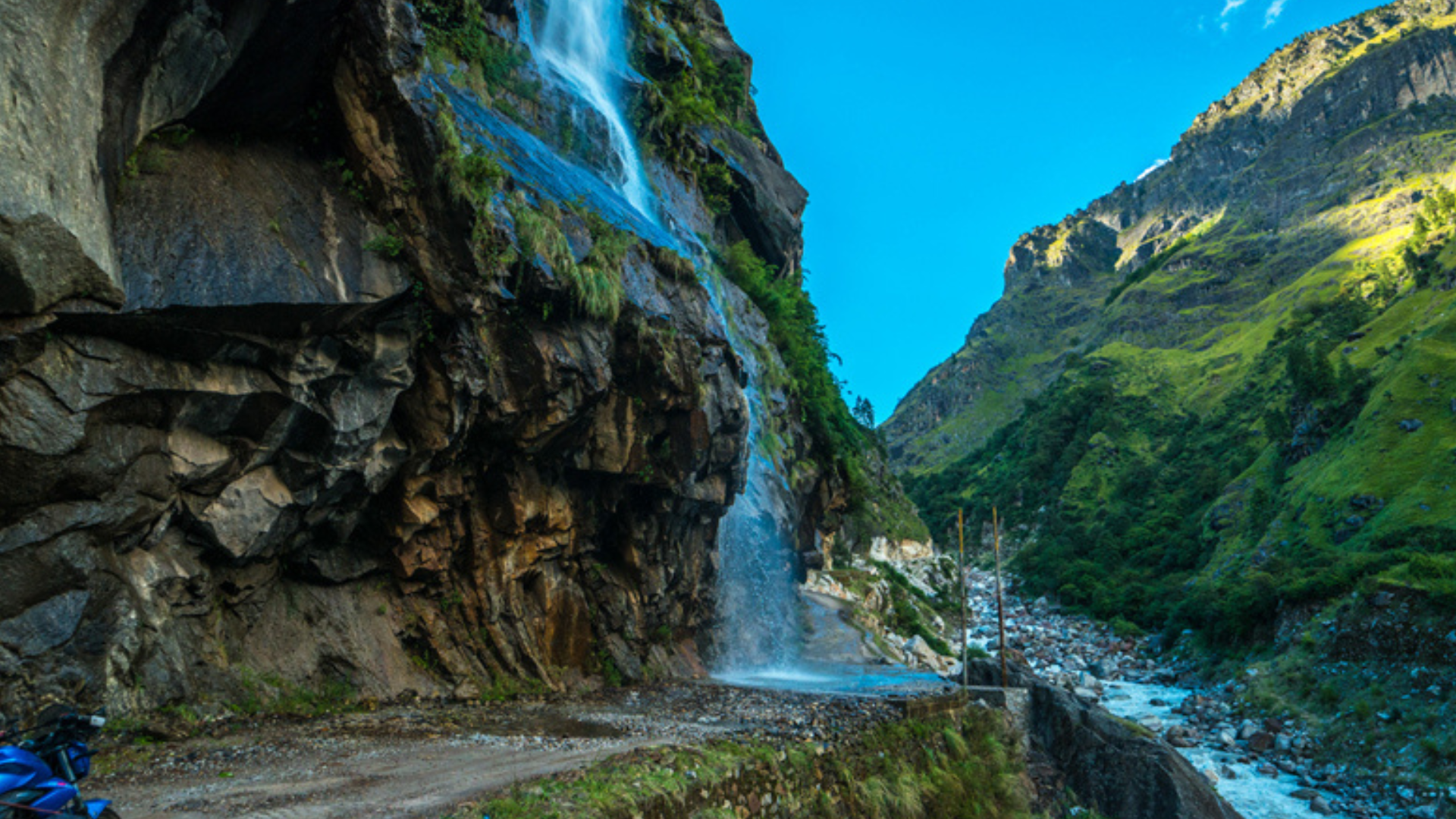
Darma Valley lies near the Indo Tibet border in Uttarakhand (Photos: Darma Valley Website)
Darma Valley lies near the Indo Tibet border in Uttarakhand, within Pithoragarh district of the Kumaon region. The valley forms part of a border landscape shaped by geography, security policy and climate. Unlike other Himalayan areas that have seen sustained tourism growth, Darma Valley remains outside mainstream travel circuits. Limited access, seasonal migration, and administrative controls have defined how the region is visited and inhabited.
The valley follows the course of the Darma River, a tributary within the Kali River system. Settlements are spread across high-altitude terrain and include villages such as Dantu, Sela, Nagling, Duktu, Tidang and Baaling. These villages developed along historic Indo–Tibetan trade routes that connected the region to markets across the border. Trade activity declined sharply after the India–China border closure in the early 1960s. Since then, the valley’s economy and population patterns have shifted toward seasonal habitation.
Also Read: Uttarakhand government reimposes bans on mobile phones, ‘VIP Darshan’ in Chardham
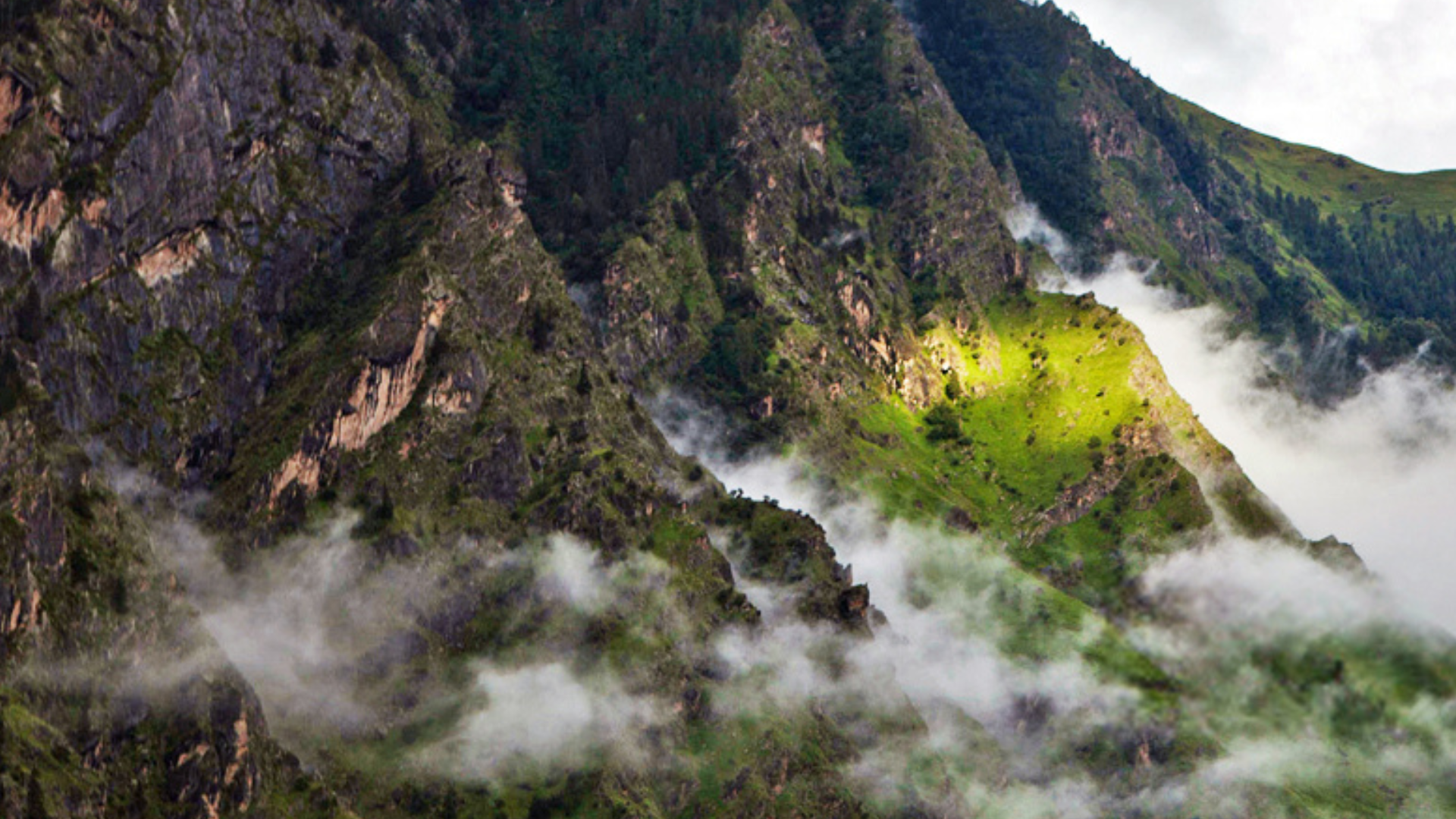
Tourism activity in Darma Valley is concentrated between May and September
Most residents migrate to lower-altitude areas during winter due to snowfall and closure of roads. Homes in the valley remain locked for several months each year. Return migration begins in late spring when snow melts, reopening the access routes. This seasonal rhythm shapes all economic activity, including agriculture, grazing and tourism. The limited window for movement restricts continuous tourism operations.
Access to Darma Valley begins from Dharchula, a border town near the Kali River. From Dharchula, travellers proceed by road toward Sobla and Dantu before entering the inner valley. Road connectivity remains partial and subject to landslides and weather conditions. Travel beyond certain points requires permits due to the valley’s proximity to the international border. Rail connectivity is absent, and air access is limited to distant regional airports.
Communication infrastructure remains uneven. Mobile networks function intermittently in some villages, while other areas lack coverage. Internet access is limited and unreliable. These factors affect both residents and visitors and limit the scale of tourism services. Emergency services also depend on weather and road conditions, further restricting visitor numbers.
Due to these factors, tourism activity in Darma Valley is concentrated between May and September. During this period, travellers visit for walking routes, village stays and access to high-altitude pastures. Trekking routes follow traditional paths used by traders and herders. Some routes lead toward high passes near the Tibet border, though access remains regulated. These trails attract small groups rather than organised tourism traffic.
Also Read: Three places to visit near PARVADA in Uttrakhand
Religious and cultural travel also forms part of seasonal movement. Village temples and annual rituals draw families back to the valley during summer months. Visitors sometimes coincide with these events, though tourism is not the primary purpose of such gatherings.
There are no hotels, resorts, or permanent lodges
Food practices in Darma Valley are closely tied to altitude, climate and seasonal habitation. Households cultivate hardy crops such as barley, buckwheat, potatoes, rajma, and traditional millets during the short summer growing season. Wild greens, forest herbs and seasonal produce supplement diets, while dairy products from sheep and goats provide an important source of nutrition. Cultivation remains largely subsistence-based, shaped by the valley’s brief agricultural window rather than market demand.
Seasonality also determines food availability for visitors. Fresh vegetables are grown only between late spring and early autumn, while grains and dried produce are stored for winter months when the valley is largely uninhabited. Packaged supplies are transported from Dharchula during the open-road season, making food logistics vulnerable to landslides and delays. As a result, meals offered to visitors through homestays reflect household consumption patterns rather than standardised tourist menus, reinforcing the small-scale nature of tourism.
Festivals and communal gatherings further underline the valley’s seasonal rhythm. Many families plan their return migration around religious observances, village fairs, and temple rituals held between June and August. These events are linked to agricultural cycles, ancestral worship, and community renewal following winter isolation. While visitors may witness these gatherings, they are not organised as tourist attractions and remain primarily intended for returning residents. Cultural life in Darma Valley continues to follow climate and migration cycles rather than tourism calendars.
Also Read: Mukteshwar: Freedom from humdrum in lap of Himalayas
Accommodation options are limited to homestays operated by local families. There are no hotels, resorts, or permanent lodges. Homestays function only during the summer months when residents are present. Food supply depends on seasonal transport and local storage. Tourism income supplements household earnings rather than replacing other sources of livelihood.
Residents of the valley rely on a mix of agriculture, livestock grazing, government employment, pensions, and work outside the region. Many younger residents pursue education and employment in towns and cities, returning only during summer. Tourism provides additional income but does not currently support full-time employment for most households.
The absence of mass tourism is linked to both geography and policy. The valley’s terrain limits large-scale road expansion. Border regulations restrict construction and commercial activity. Environmental conditions shorten the tourist season. These constraints have prevented the development patterns seen in destinations such as Nainital, Mussoorie or Auli.
In recent years, discussions around border tourism and village-led development have brought renewed attention to Darma Valley. Local administrations have explored regulated tourism models that prioritise homestays, trekking permits, and controlled visitor numbers. The focus remains on maintaining security requirements while supporting limited economic activity for resident families.
For now, Darma Valley continues to function as a seasonal landscape rather than a year-round destination. Movement in and out of the valley follows weather patterns, administrative rules, and household migration cycles. Tourism exists within these limits, shaped more by geography and policy than by market demand. The valley’s future as a travel destination will depend on how access, regulation and seasonal life continue to intersect.