Lonar Lake: Maharashtra’s otherworldly wonder
Extraordinary geological, cultural destination
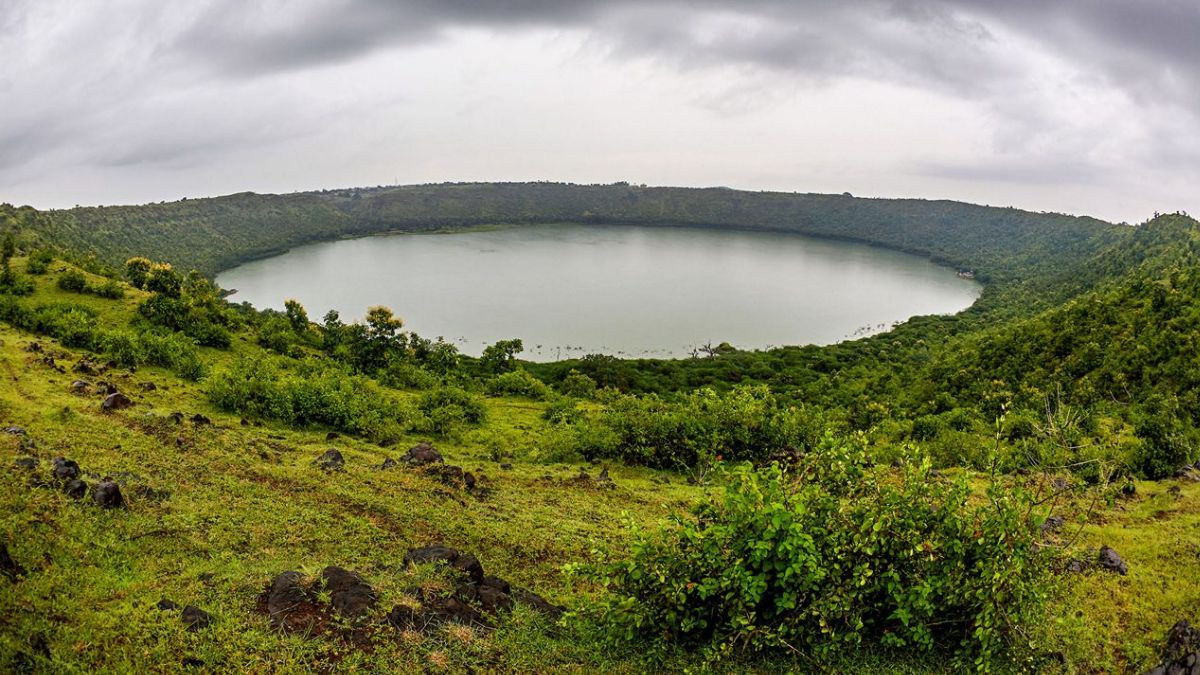
The Lonar Lake located about 80 km is a rare natural phenomenon intriguing scientists and pilgrims
Lonar Lake in Maharashtra is an extraordinary geological and cultural destination that was formed due to a meteorite impact. The lake, lesser known among travellers, is surrounded by temples and is home to rich flora and fauna, making it a must-visit destination.
The Lonar Lake located about 80 km is a rare natural phenomenon intriguing scientists and pilgrims
For travellers eager to explore India’s lesser-known marvels, Lonar Lake in Maharashtra stands out as a destination of extraordinary geological, ecological, and cultural significance. Located about 80 km from Buldhana town, Lonar Lake is not just a scenic attraction but a rare natural phenomenon that continues to intrigue scientists, historians and pilgrims alike.
Lonar Lake was formed by a meteorite impact during the Pleistocene Epoch, making it one of the only four known hyper-velocity impact craters on Earth. Scientists estimate that the crater was created nearly 50,000 years ago and measures approximately 1.8 km in diameter. The sheer force of the impact is believed to have released energy equivalent to millions of tonnes of Trinitrotoluene (TNT), a powerful explosive, permanently altering the region’s landscape. Carved into basaltic rock, the crater offers invaluable insights into planetary impacts and Earth’s volcanic past for researchers.
One of the most fascinating aspects of Lonar Lake is its unique chemical composition. The lake is more than 150 m deep and is distinctly divided into two layers. The upper layer, rich in oxygen and neutral in nature, supports a diverse ecosystem of flora and fauna. In stark contrast, the lower layer is extremely alkaline, oxygen-deprived, and nearly seven times saltier than seawater, making it inhospitable for most life forms. However, this harsh environment sustains specialised microorganisms whose blooms cause the lake’s water to change colour, shifting dramatically between emerald green and surreal shades of pink depending on seasonal and environmental conditions.
Also Read From Mumbai’s bustle to Jawhar’s serene hills
Beyond its geological wonder, Lonar Lake holds deep cultural and religious importance. For centuries, locals have regarded the lake as sacred, leading to the construction of several ancient Hindu temples around the crater. Many of these structures date back over a thousand years and reflect the architectural and spiritual heritage of the region.
Daitya Sudan Temple
Located barely four kilometres from Lonar Lake, the temple is carved entirely from black basalt and adorned with intricate sculptures. Dedicated to Daitya Sudan, an incarnation of Lord Vishnu, the temple commemorates the mythological tale of Vishnu appearing as a young warrior to defeat the demon Lonasura, who is believed to have ruled the region.
Built in the Hemadpanthi architectural style between the 12th and 14th centuries, the temple follows an irregular star-shaped plan. This distinctive design creates a serrated façade that plays dramatically with light and shadow throughout the day. The structure also showcases a harmonious blend of Chalukyan influences and local innovations unique to the Vidarbha region, making it a masterpiece of medieval Indian architecture.
Lonar Wildlife Sanctuary
Nature enthusiasts will find equal delight in the Lonar Wildlife Sanctuary, which lies just 1.5 km from the lake and span across an area of 365 hectares. Characterised by dry deciduous forests, the sanctuary serves as a haven for birdlife, including black-winged stilts, Brahminy ducks, teals, herons, baya weavers, and robins. Mammals such as langurs, deer, and wild boar roam freely here, while reptiles like monitor lizards add to the region’s biodiversity. The sanctuary complements the lake’s ecosystem, offering visitors an immersive experience in nature.
Gomukh Temple
Another spiritually significant site near the crater is the Gomukh Temple, dedicated to Vishnugaya, a form of Lord Vishnu. The temple is uniquely designed around a gomukh, or cow-mouth-shaped water spout, from which water continuously flows. Devotees and travellers believe the gentle sound of the flowing water has a calming and purifying effect. Situated close to the crater rim, the Gomukh Temple also marks the starting point for several trails leading down to the lake, making it a popular spot for both pilgrims and trekking enthusiasts.
The best time to visit Lonar Lake and its surrounding temples is between October and February, when the weather is pleasant, the lake’s colours are most vibrant, and hiking along the crater rim is particularly rewarding.
Whether viewed through the lens of science, spirituality, or adventure, Lonar Lake offers an unforgettable journey into one of India’s most remarkable natural wonders.