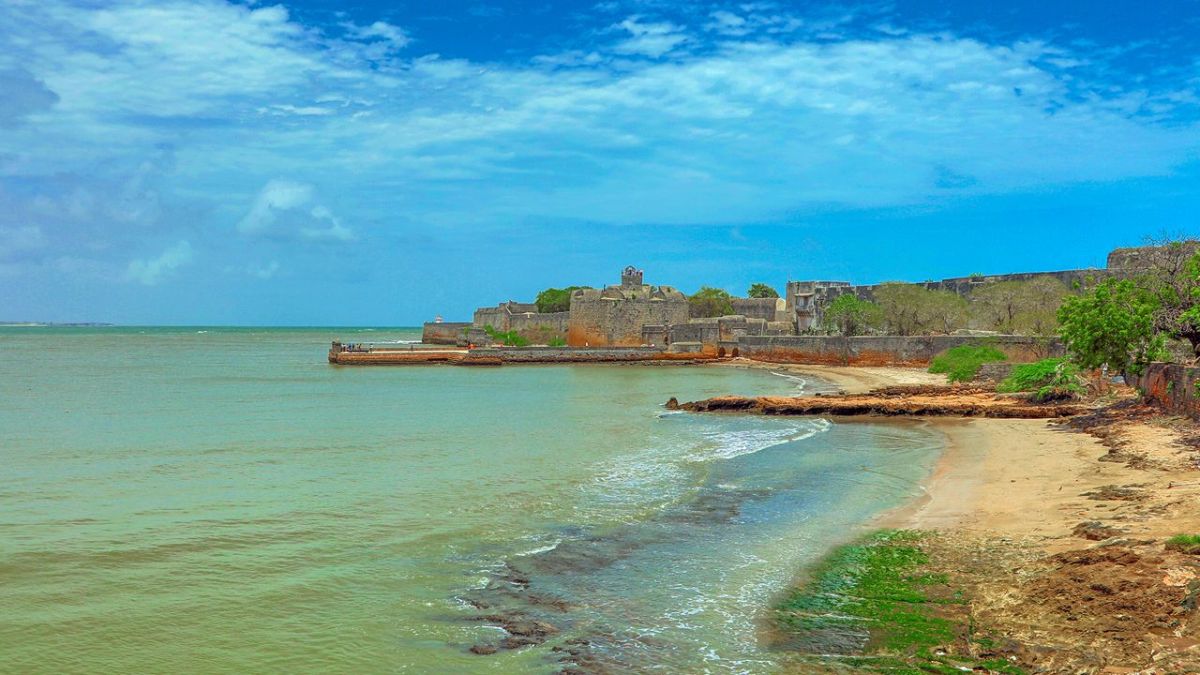
Colonial history, quiet beaches and compact streets define life on Diu (Photos: Incredible India)
Diu is a compact, lived-in island where the sea and colonial legacy shape daily life. From the imposing Diu Fort to relaxed stretches like Nagoa Beach, visitors find an understated seaside experience. Here, slow travel like cycling along coastal roads, exploring forts, strolling along uncrowded sands is central to the island’s appeal, rather than large-scale resorts or commercial tourism.
Situated in the Arabian Sea just off the Kathiawar Peninsula, Diu covers around 40 sqkm, and is administratively part of the newly reconstituted Union Territory of Dadra and Nagar Haveli and Daman and Diu, a conglomeration of small territories on western coast of India.
Diu is surrounded by the vast blue of the sea and coconut groves, narrow lanes and shallow lagoons mark the landscape, with the ocean present in every view and nearly every moment.
Unlike busier coastal hubs, Diu retains a quiet, lived-in character. Fishing, festivals, local markets and family gatherings shape the day, offering travellers a deeper sense of community and place. Evenings often see residents and visitors alike strolling along the water’s edge, watching boats bob against the horizon or catching the changing light at sunset.
An island shaped by heritage and everyday life
Diu’s history is visible around almost every corner. Portuguese rule for over 450 years has left a distinct architectural and cultural imprint. Diu Fort stands as the island’s most recognisable monument, with its old bastions and sea views evoking centuries of maritime importance. Nearby Naida Caves and Panikotaha Fort add natural and historic fascination to the landscape.
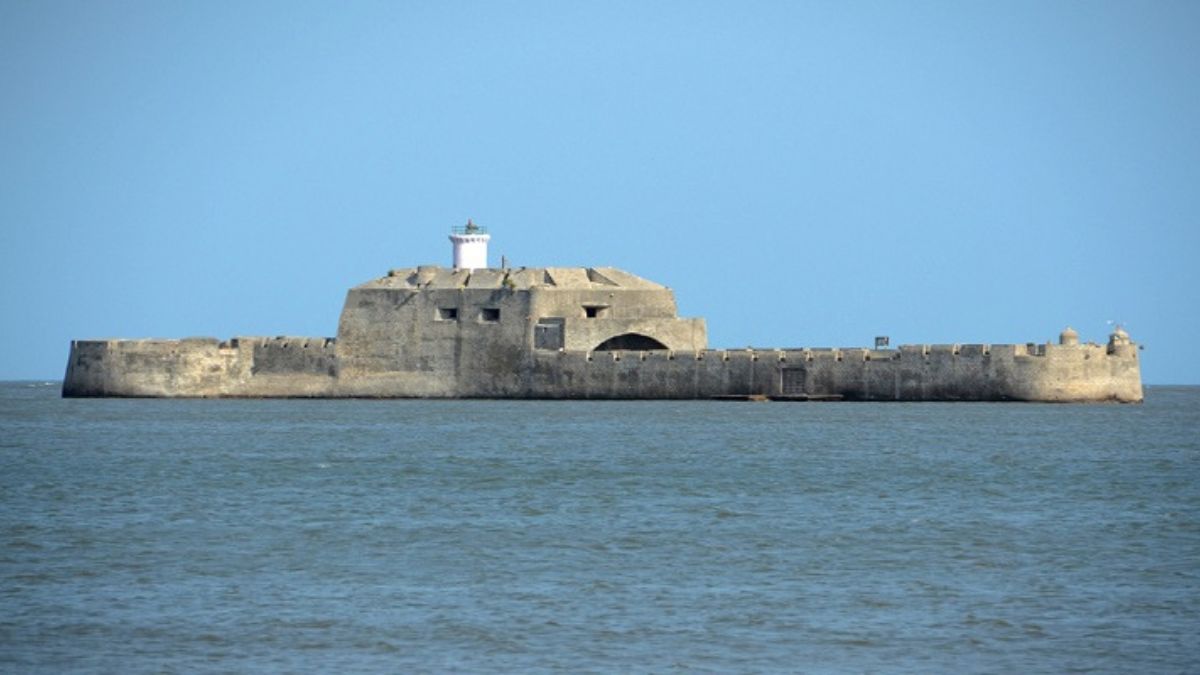
Panikotaha Fort, an offshore fort, highlights Diu’s maritime history
Religious and cultural diversity also shapes the island. Gangeshwar Mahadev Temple, set against the Arabian Sea on rocky ledges, blends spirituality with dramatic coastal scenery.
Churches like St Paul’s reflect Portuguese religious heritage and local festivals often bring residents together in celebration and quiet ritual.
The Feast of St Francis Xavier is a highlight in the Christian tradition here, while Navratri sees the island come alive with Garba and community dance. The Nariyal Purnima fishing festival honours the sea and the start of the fishing season and the annual Moti Diu Festival features music, dance and cultural performances that bring residents and visitors together.
Also Read: Amini Island: A quiet coral haven shaped by sea and tradition
Everyday life on Diu revolves around shared spaces and the shore. Fishermen repair nets, families gather for evening walks and small markets hum with trade. These simple rhythms give visitors a sense of connection to the island beyond its beaches.
Beaches and scenic points
Beaches and scenic corners define much of Diu’s charm.
Nagoa Beach curves gently with golden sand and calm waters, perfect for swimming or watching the sunset, while Ghoghla Beach, one of the island’s longest and quietest stretches, invites long reflective walks.
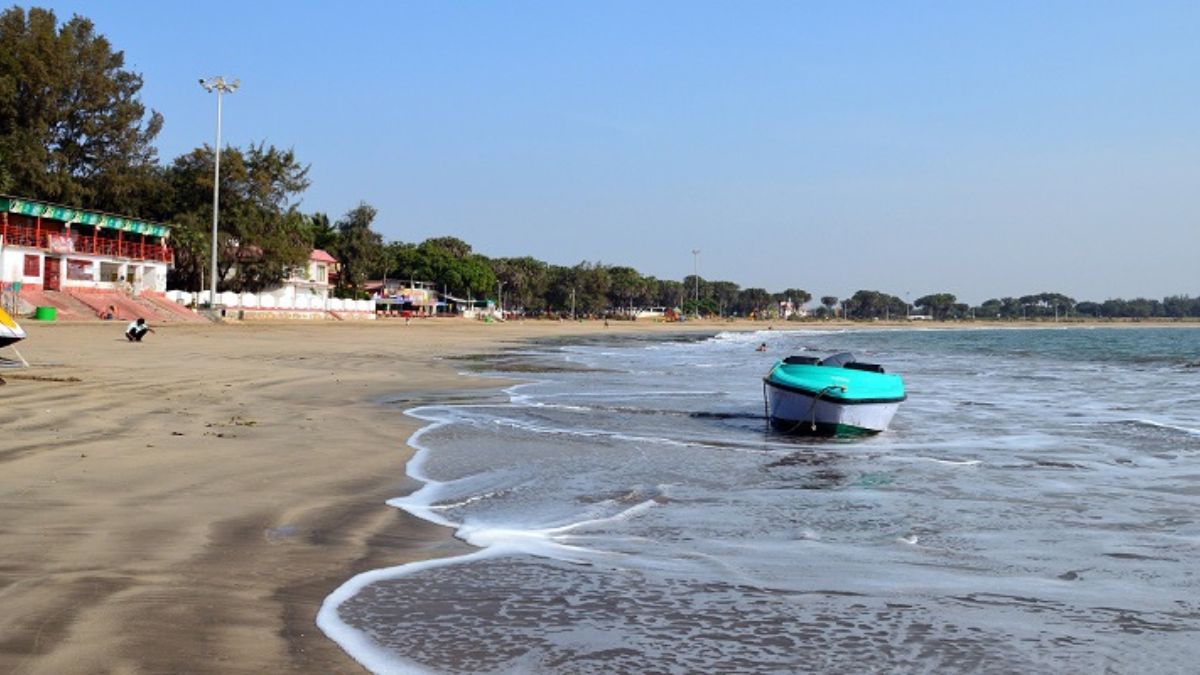
Nagoa Beach, a calm coastal area, where visitors walk, swim and explore the shoreline
Chakratirth and Jallandhar Beaches combine serene sands with open sea views, ideal for early morning or evening exploration.
The eastern and western shores offer quieter corners where sunrise and sunset can be enjoyed in peaceful solitude. Beyond the coastline, walking through town and interior lanes reveals a relaxed island world.
With old Portuguese-style homes alongside coastal snack stalls, small craft shops, and quiet spaces where daily life moves at the rhythm of the sea rather than the clock.
Cuisine rooted in sea and culture
Diu’s food reflects its maritime setting and blended history. Fresh seafood such as prawns, pomfret, kingfish and crab appear in curries, grills and light local preparations.
Also Read: India’s offbeat islands: Unexplored gems waiting to be discovered
Portuguese influences can be found in dishes like bebinca, a layered dessert and sorpotel, a spicy pork curry, while coconut features prominently in curries, chutneys and sides.
Meals are generous and grounded, built around the day’s catch and fresh ingredients rather than elaborate presentation. Local spirits like feni and casual beachside drinks add to the relaxed pace of evenings.
When to visit
The best time to visit Diu is between October-March, when weather conditions are dry and comfortable. This season is ideal for beach walks, heritage touring, cycling and water activities.
The monsoon months bring dramatic seas and lush greenery but can make travel and access more challenging.
Diu’s blend of calm beaches, historical depth and unhurried coastal life makes it a destination worth exploring. It offers a quieter, more reflective alternative to busy shorelines, where every corner reveals layers of sea, culture and history waiting to be discovered.