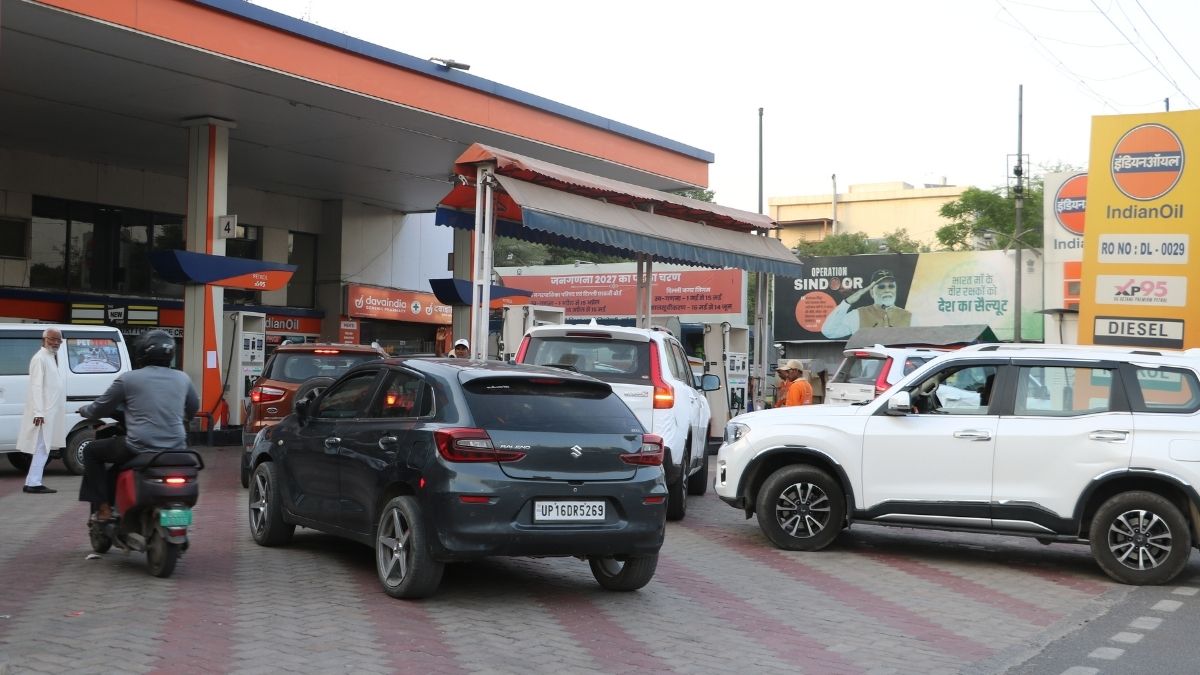
Since the US-Iran conflict began almost three months ago, crude prices have risen by nearly (Photos: Sunil Yadav/ MIG)
Petrol and diesel prices rose another 90 paise per litre on Tuesday, taking the growing rise to INR 3.90 in five days and the pain is spreading well beyond the fuel pump. The current effect of rising fuel costs has already begun pushing up prices of daily essentials, with milk prices up by INR 2 to INR 4 per litre across major cities, bread and packaged food prices rising between 3 and 6 pc at retail counters, and vegetable prices surging 10 to 18 pc at local mandis as higher diesel and petrol prices drive up transport and storage costs.
The two rounds of increases, within a week after weeks of denial by the government of any impact of the US-Iran conflict on fuel prices in India, have added INR 3.90 to the cost of a litre of petrol and diesel. Prices are now at their highest levels since May 2022 and according to major analyst tracking the sector, they are not done rising.
Historic four-year freeze on retail fuel prices ends
Since May 2022, petrol and diesel prices at Indian pumps have remained fixed. The only movement in these years was a INR 2 per litre reduction in the March 2024 revision that came 16 days after the BJP won state assembly elections and it was widely seen as a post-poll gesture.
Also Read: Rising retail fuel prices reflect strain in India’s pricing system
However, since the US-Iran conflict began almost three months ago, crude prices have risen by nearly 75 pc and behind the scenes, the pressure on the government and public sector oil distributors was becoming untenable. India, which imports nearly 90 pc of its crude oil to meet domestic and industrial energy demands, saw its import price move from USD 69 per barrel in February to USD 113-114 per barrel in the months that followed and that was a surge of more than 64 pc in a matter of weeks.
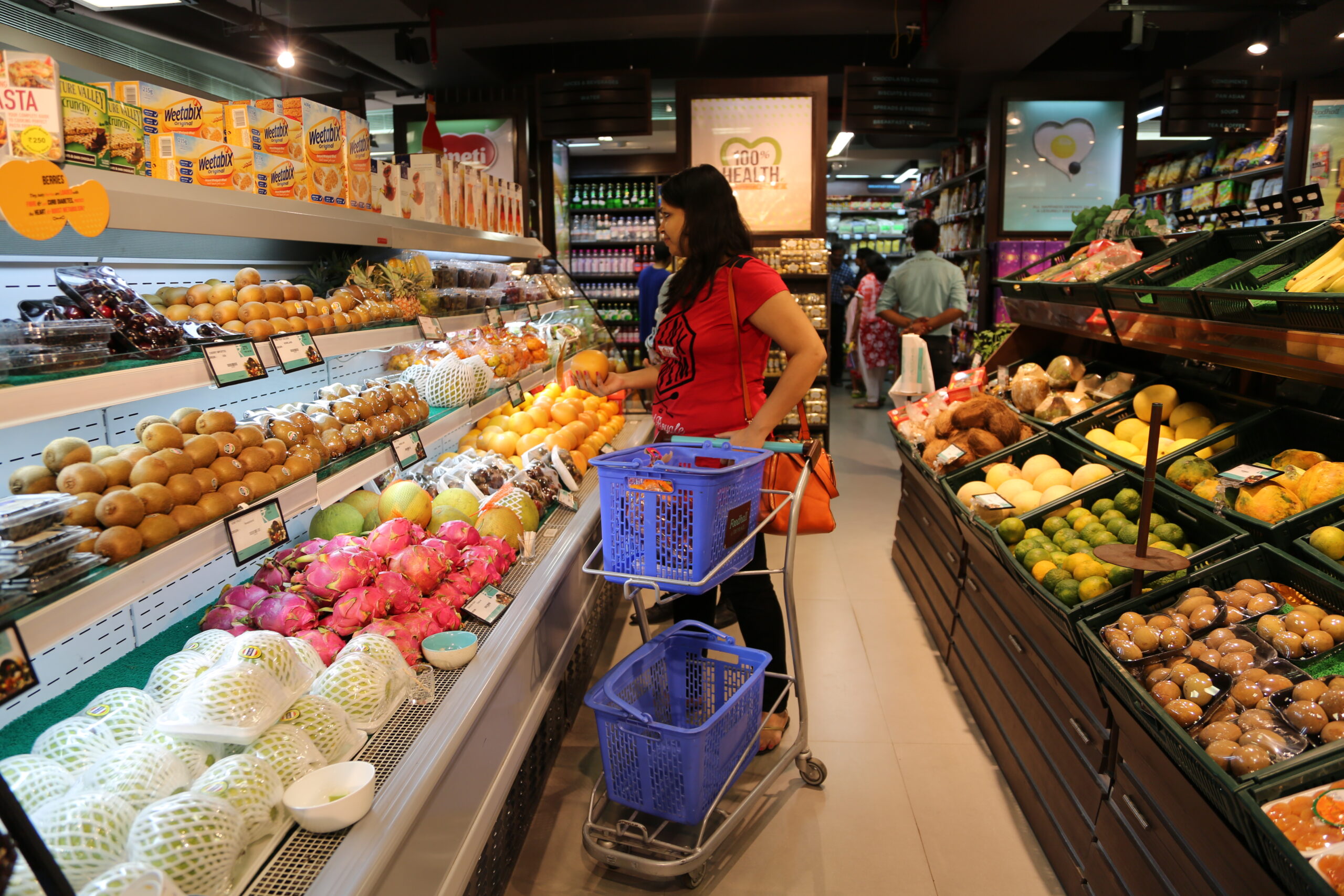
Inflation begins to spike as prices of commodities and vegetables climb sharply, hitting consumers across the country
Indian Oil Corporation, Bharat Petroleum, and Hindustan Petroleum, the three state-run companies that control more than 90 pc of India’s 100,000 -plus fuel stations, absorbed those losses for 11 weeks. At their peak, the companies were losing between INR 23 and INR 30 per litre on petrol and diesel. Hardeep Singh Puri, Union Petroleum Minister, confirmed publicly that combined daily losses had reached INR 5 billion and warned that the under-recoveries could not continue. Crisil, global analytics company estimated that cumulative losses since the conflict began would exceed INR 1,000 billion by end of May.
The government did try one regulating measure. On March 27, government cut excise duty on petrol and diesel by INR 10 per litre each. Private retailer Nayara Energy, a leading petroleum company in India, which operates a vast oil refinery had already raised its pump prices in late March to curtail its losses, which meant consumers with access to Nayara stations were paying more at that time while Public Sector Undertakings (PSUs) stations held back their prices.
However, finally the government gave in to pressures from the oil companies and on May 15, it hiked petrol prices from INR 94.77 to INR 97.77 in Delhi and diesel from INR 87.67 to INR 90.67. The revision on Tuesday added another 90 paise to both.
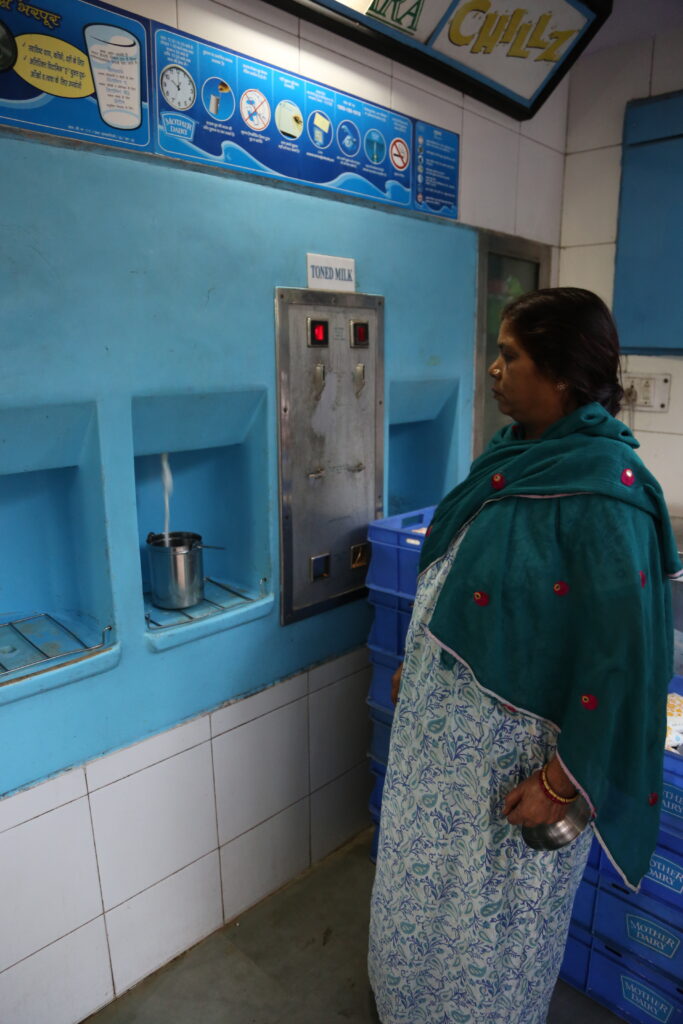
Major dairy brands in India, including Amul and Mother Dairy, increased milk prices
As of today, petrol in Delhi is at INR 98.64 per litre. In Mumbai it is INR 107.59. Kolkata recorded the sharp single-hike movement in the second round up 96 paise to INR 109.70. Chennai is at INR 104.49. Diesel in Delhi is at INR 91.58, Kolkata INR 96.07, Chennai INR 96.11 and Mumbai INR 94.08. In Andhra Pradesh, petrol in some districts has crossed INR 114 per litre.
The variation of prices between cities reveals state-level Value Added Tax (VAT) and local taxes layered on top of the central excise structure. Delhi’s rates are among the lowest in the country, while States with higher VAT rates have seen a bigger price shock.
Also Read: Life as usual for government officials days after PM’s appeal to conserve fuel
Despite the hikes, the government has not closed the gap between pump prices and actual cost-recovery levels. Sujata Sharma, Joint Secretary in the Ministry of Petroleum and Natural Gas said that even after the INR 3 increase, daily losses at state-run oil companies stood at INR 7.5 billion down from INR 10 billion. Credit Rating Information Services of India Limited (CRISIL), a global analytics company estimates that currently there is an under-recovery of around INR 10 per litre on petrol and INR 13 per litre on diesel.
The business end
While the government tries to justify the increase, it is little solace for many consumers, notably those in logistics and transport businesses. Sonu Singh runs a small goods transport business in East Delhi, moving packaged materials for clients across Delhi-NCR on a contract basis. He operates four diesel vehicles. When the INR 3 hike landed on May 15, he sat down and ran the numbers.
“I am paying roughly INR 8,000 to INR 9,000 more in diesel every month across all four vehicles compared to what I was paying in April. The contracts I have with my clients were signed at the old rates. I cannot go back to them immediately and say the price is different now. So right now that difference is coming out of my pocket. I am absorbing it. My margin on some contracts has gone from thin to almost nothing. And this is after just the first hike. I heard on the news this morning there is already another 90 paise from today. That is INR 3.90 in five days. If this goes to INR 5 over the next two weeks which people are saying is possible I will have to go back to clients, renegotiate, and some of them will just find someone cheaper. That is the reality of running small fleet transport in this country when fuel moves and rates do not,” Singh tells Media India Group.
Ranjit Kumar drives a petrol-engine cab from his home in Badarpur in South Delhi. He fills up roughly five to six litres a day depending on how many platform rides he accepts.
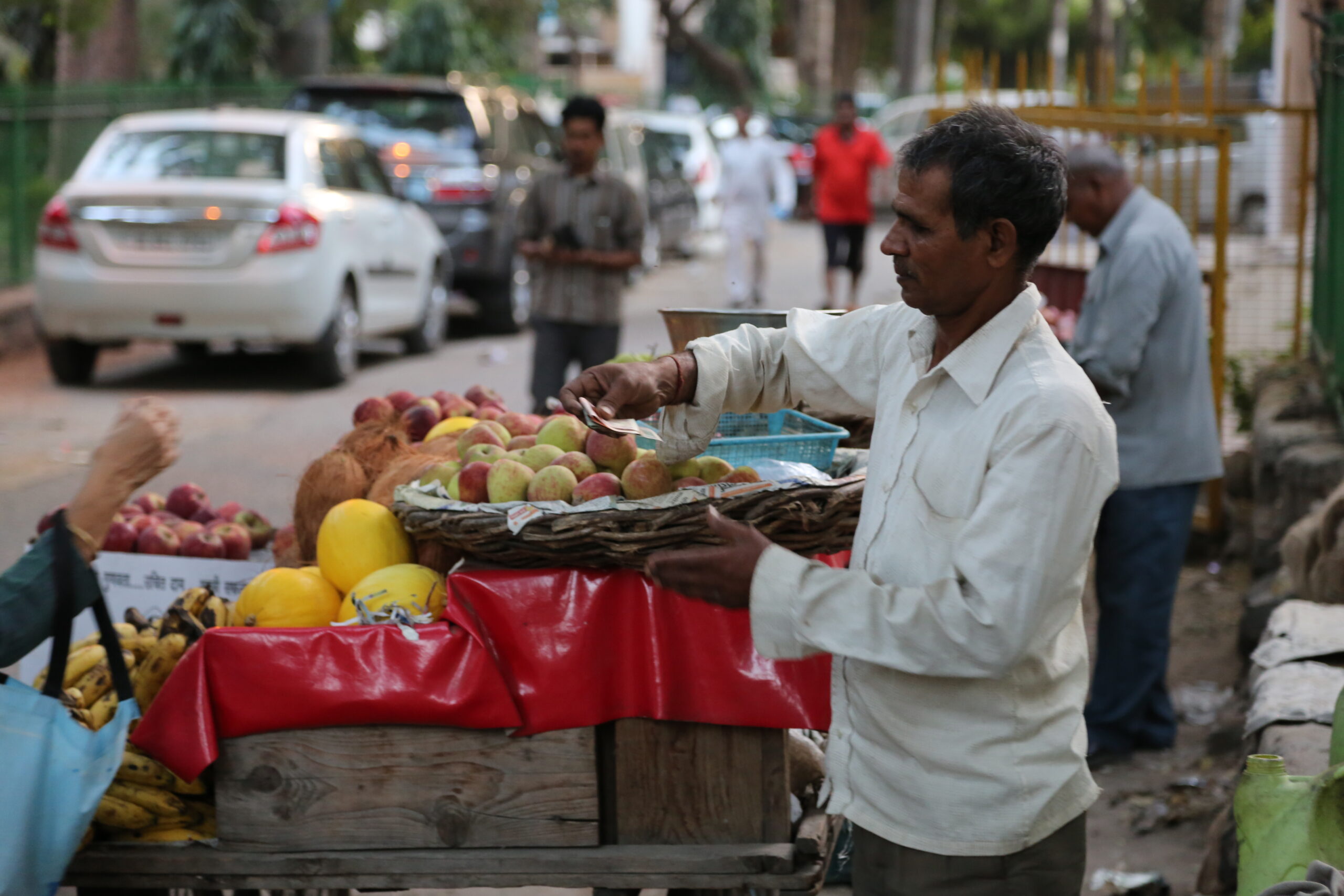
Recent hikes in fuel prices have significantly increased the cost of moving fresh produce from farmlands to city markets
“Before May 15, filling five litres cost me around INR 473. Now it is INR 493. From today, with this fresh hike of 90 paise, it will be INR 498. This sounds like small numbers if you say it fast, but I am filling every single day. Over a month that is INR 700 to INR 750 extra just on fuel. My daily earnings from rides are INR 900 to INR 1,100 on a good day not every day is a good day. After fuel, after the platform’s commission, after vehicle maintenance and insurance, I keep maybe INR 200 to INR 300. That gap is now smaller. If the price goes to INR 100 per litre and at this rate it will cross INR 100 within the week, I am thinking of stopping the car for some time. Maybe two or three weeks. Let the prices settle. Do some other small work. I cannot keep burning petrol at these rates and earn less than what I spend just to be on the road. The car is an asset only if it earns. Right now it is becoming a liability,” Kumar tells Media India Group.
The inflationary transmission from fuel prices to the broader economy is not immediate, but it is reliable.
Petrol and diesel together carry a shared weight of 4.81 pc in India’s Consumer Price Index (CPI). That direct weight is significant but not dominant. What matters more is the indirect channel the fact that diesel powers the trucks that move vegetables from mandis to retail markets, the tractors that run irrigation pumps, the cold chains that keep decayable from spoiling, and the generators that keep small manufacturers running in states with power fluctuation.
India’s retail CPI was 3.48 pc in April 2026, up from 3.4 pc in March. ICRA has now revised its May 2026 forecast to 4.3 pc, citing the fuel hike as the primary driver. The direct contribution of the May 15 increase is estimated at around 8 basis points to both May and June CPI, with a further indirect impact of approximately 10 basis points as higher fuel costs work through freight rates and input costs over the following weeks.
At the wholesale level, the numbers are already worse. The Wholesale Price Index rose 8.3 pc in April, a 42-month high. Analysts expect it to exceed 9 pc in May. Radhika Rao, Senior Economist, DBS Bank, a Singaporean bank, estimates that the price hike would add 15 to 25 basis points to headline inflation, excluding second-round effects, such as the freight rate increases, the upward pressure on food prices at retail, the manufacturers passing costs on will take two to three months to fully show up in the numbers, per economists studying fuel price transmission in India.
According to report, several Fast Moving Consumer Goods (FMCG) companies are already reviewing pricing and considering either selective price revisions or smaller pack sizes, the latter being the subtler inflation that does not show up clearly in CPI readings. Food delivery platforms, logistics operators, and e-commerce networks are revaluating operational cost structures. Industry estimates suggest logistics and delivery costs in metro cities could rise 5 to 8 pc if fuel prices remain at current levels through June.
Also Read: Rising retail fuel prices reflect strain in India’s pricing system
Farmers are also into this as diesel-powered tractors, irrigation pumps, and harvesting machinery make up a significant share of agricultural operating costs. Higher diesel turns directly into higher farm input costs, which in a few months turns into higher prices at the consumer end for food that travels long distances.
The oil ministry’s INR 7.5 billion daily loss figure even after the INR 3 hike tells the story of where pricing still sits relative to import costs. The excise duty cut from March is already priced into the current numbers. A government subsidy bailout was described as “not on the table” as of May 18 by the Joint Secretary at the petroleum ministry.
Sehul Bhatt Director CRISIL, described the May 15 hike as “a meaningful, if partial, step” toward reversing what he called one of the longest under-recovery cycles in recent years. ICRA’s Prashant Vasisht was more direct. “At USD 105-110 per barrel, even post-hike OMC losses remain substantial. Accordingly, the oil marketing companies would need to relook at retail prices in case elevated crude oil prices persist,” Vasisth said.
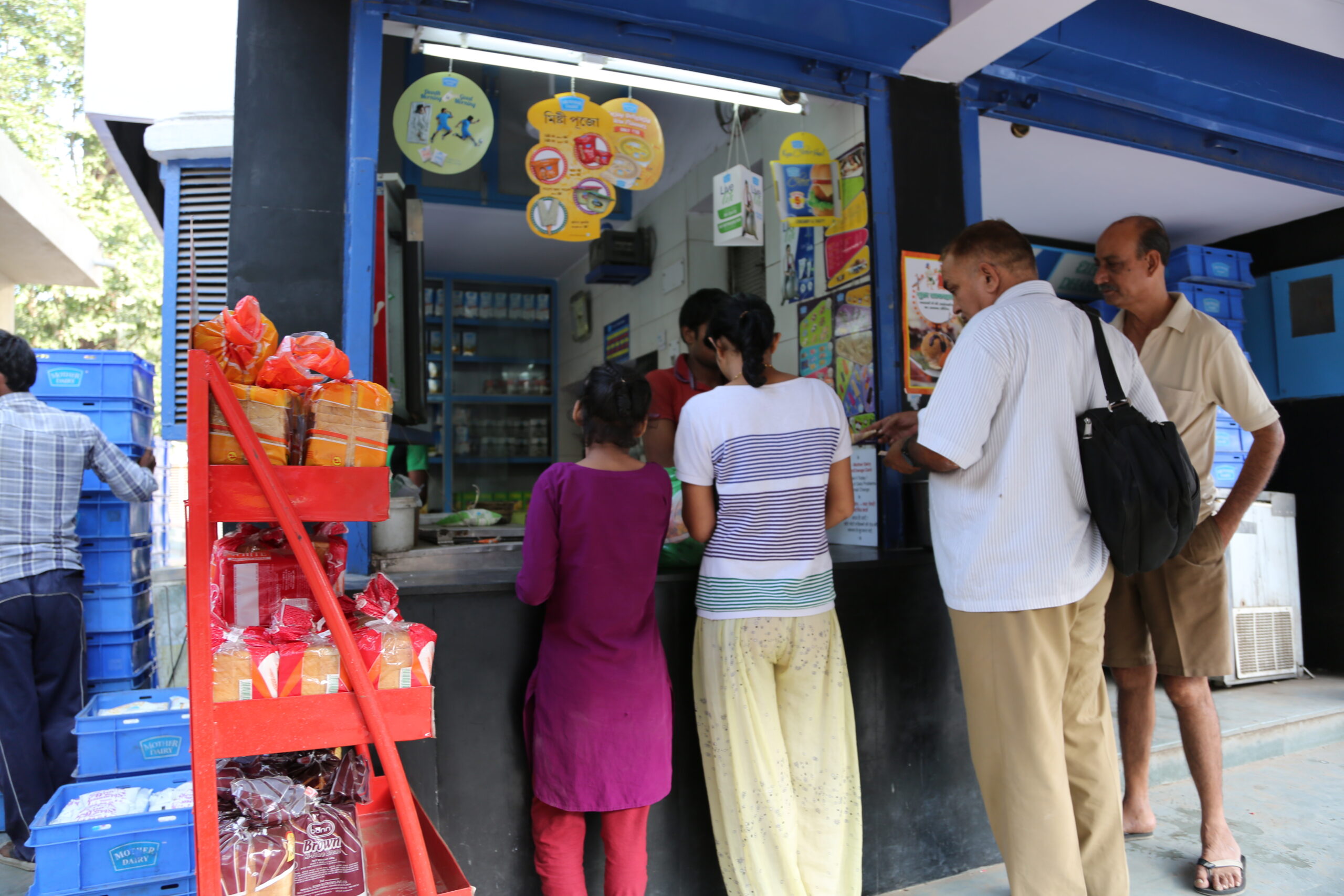
Major Bread companies have hiked prices of several bread packets
India’s current account deficit, sitting at 0.9 pc of GDP in FY2026, is forecast to more than double to 2 pc in FY2027 on the back of a larger oil import bill. The rupee has already touched new lows. Foreign institutional investors pulled more than USD 20 billion from Indian equities in the first four months of 2026, surpassing the previous full-year record.