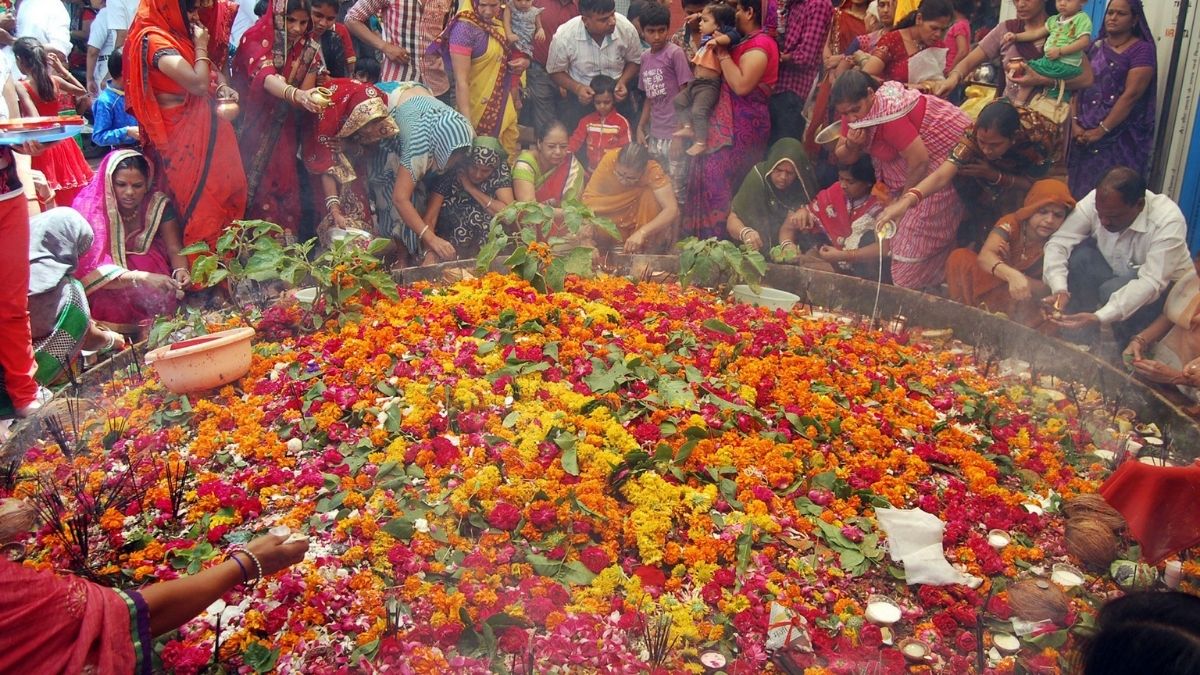
Devotees across India observe Nag Panchami through prayers, offerings and rituals dedicated to serpent deities (Photos: Utsav)
Nag Panchami, observed on the fifth day of the Hindu month of Shravan, coinciding with July-August as per the Gregorian calendar, has been celebrated for centuries as a festival honouring snakes, especially King Cobra, which hold an important place in Hindu mythology and folklore. Though the central belief remains one of reverence for serpent deities and prayers for protection, prosperity and fertility, every region has developed its own customs shaped by local history, faith and environment.
Maharashtra
Maharashtra is among the states where Nag Panchami is celebrated most prominently. Traditionally, devotees offered milk, flowers and turmeric to live cobras brought by snake charmers. As wildlife conservation laws discourage the use of wild snakes, many temples and households now worship serpent idols or images instead.
Women observe fasts, families prepare festive meals and prayers are offered to seek protection from snakebites and blessings for prosperity.
Karnataka
In Karnataka, Nag Panchami is closely associated with ancient serpent worship traditions. Devotees visit temples dedicated to serpent deities, especially Kukke Subrahmanya, where Lord Subrahmanya is revered as the protector of snakes.
Many families perform special rituals to seek relief from Sarpa Dosha, while women draw snake motifs outside their homes using rice flour and offer milk, flowers and fruits.
Also Read: Shravan 2025 drives religious tourism in Uttar Pradesh
Kerala
Kerala celebrates Nag Panchami through its unique Sarpa Kavu, or sacred serpent groves. These small forest patches, preserved within temple compounds and ancestral homes, are believed to be the dwelling places of serpent deities.
Families offer turmeric, milk, flowers and lamps while priests conduct elaborate rituals. The tradition is also recognised for helping preserve biodiversity, as the sacred groves protect native flora and fauna.
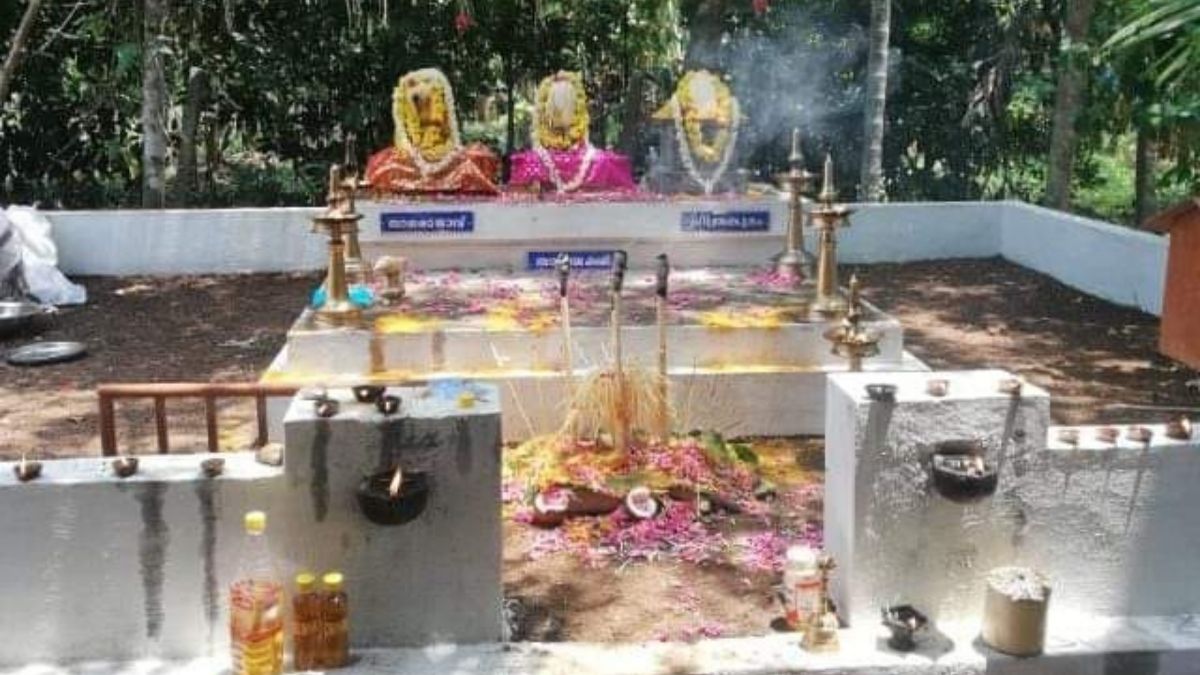
Nag Panchami celebrations reflect India’s diverse regional traditions, blending mythology, faith and local customs
Tamil Nadu
In Tamil Nadu, devotees worship stone serpent idols known as Nagar, usually placed beneath peepal or neem trees. Women observe fasts and offer turmeric, sandalwood paste, flowers and milk while praying for family well-being, fertility and healthy children.
Several temples hold special prayers dedicated to serpent deities during the festival.
Andhra Pradesh and Telangana
Nag Panchami in Andhra Pradesh and Telangana revolves around temple visits and household rituals. Colourful snake motifs are drawn at the entrance of homes using rice flour, while devotees offer milk, jaggery and flowers.
The festival is considered especially significant for seeking prosperity, family harmony and a successful agricultural season.
Also Read: Experiencing Bahubali Mahamastakabhisheka at Shravanabelagola
Uttar Pradesh
Across Uttar Pradesh, the festival combines religious worship with village fairs and folk traditions. Clay snake idols are worshipped in homes and temples, while several districts organise local fairs featuring devotional music, wrestling competitions and community celebrations.
In rural areas, women often create symbolic snake figures using cow dung before performing prayers.
Bihar
In Bihar, it is celebrated with folk songs, fasting and offerings to serpent deities. Women pray for the well-being of their families and protection against snakebites during the monsoon season.
The festival is also linked with stories of Lord Krishna defeating the serpent king Kaliya, which are narrated during community gatherings.
West Bengal
In West Bengal, Nag Panchami is closely associated with the worship of Goddess Manasa, the revered snake goddess of Bengal. Devotees offer flowers, milk and sweets while reciting stories from the Manasa Mangal, medieval Bengali literary works celebrating the goddess.
The festival blends Hindu mythology with Bengal’s rich folk traditions.
Also Read: Mandore Ganesh Temple: Celebrating Ganesh Chaturthi with a Rajasthani flair
Odisha
Odisha observes Nag Panchami with prayers at serpent shrines and village temples. Devotees offer milk, turmeric and flowers while seeking protection from snakebites and blessings for a good harvest.
In several tribal regions, local customs merge with mainstream Hindu practices, creating distinctive celebrations.
Gujarat
In Gujarat, Nag Panchami is observed through prayers at Shiva and serpent temples. Farmers particularly celebrate the festival, believing serpent worship protects crops and ensures agricultural prosperity during the monsoon.
Offerings of milk, flowers and sweets form an important part of the rituals.
Rajasthan
In Rajasthan, villagers worship clay or stone snake idols, believing serpents safeguard fields, water sources and homes. Local temples witness special prayers, and many communities organise fairs where devotees seek blessings for protection and prosperity.
Also Read: Chapchar Kut: Spring festival of community and culture in Mizoram
Madhya Pradesh and Chhattisgarh
Among several tribal communities in Madhya Pradesh and Chhattisgarh, Nag Panchami blends indigenous beliefs with Hindu traditions. Serpent spirits are worshipped as guardians of forests, fields and villages.
Traditional songs, dances and community rituals form an integral part of the celebrations.
Himachal Pradesh and Uttarakhand
In the Himalayan states, local serpent deities or Nag Devtas are worshipped as protectors of rivers, springs and mountain landscapes. Villages organise temple fairs, community feasts and special prayers dedicated to these regional deities.
The worship of snakes during Nag Panchami is rooted in several Hindu legends. Lord Shiva is depicted with the serpent Vasuki around his neck, while Lord Vishnu rests upon the cosmic serpent Adishesha. Another popular legend recounts Lord Krishna subduing the venomous serpent Kaliya, symbolising the victory of good over evil.
Across India, Nag Panchami continues to demonstrate how a single festival can take on diverse regional expressions while preserving its central message of harmony between humans, nature and the divine.