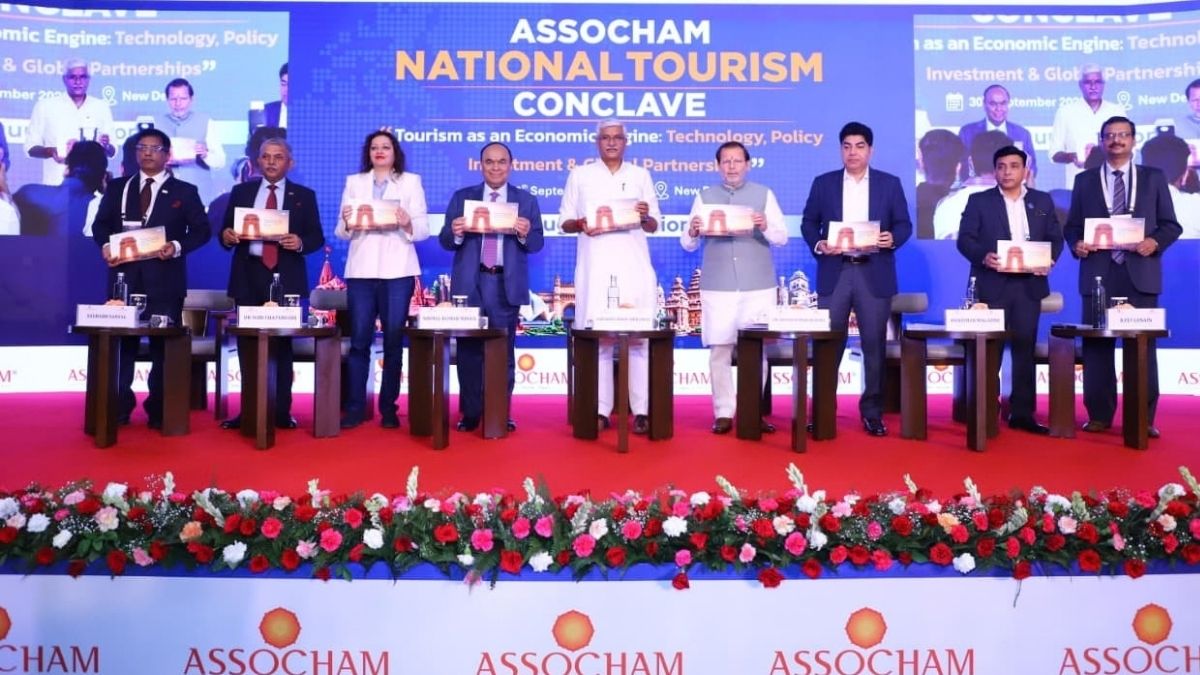
The conclave brought government and industry stakeholders together to discuss the sector’s investment and development priorities, with private investment, new destinations, destination management and improving visitor experience emerging as key areas of focus
The next phase of India’s tourism growth was in focus at the Assocham National Tourism Conclave 2026, that was inaugurated by Union Tourism and Culture Minister Gajendra Singh Shekhawat in New Delhi on Wednesday. The conclave, held under the theme Tourism as an Economic Engine: Technology, Policy, Investment & Global Partnerships, brought government and industry stakeholders together to discuss the sector’s investment and development priorities, with private investment, new destinations, destination management and improving visitor experience emerging as key areas of focus.
Inaugurating the conclave, Shekhawat said the sector must move beyond increasing tourist numbers and focus on developing new destinations, creating experiences and strengthening destination management.
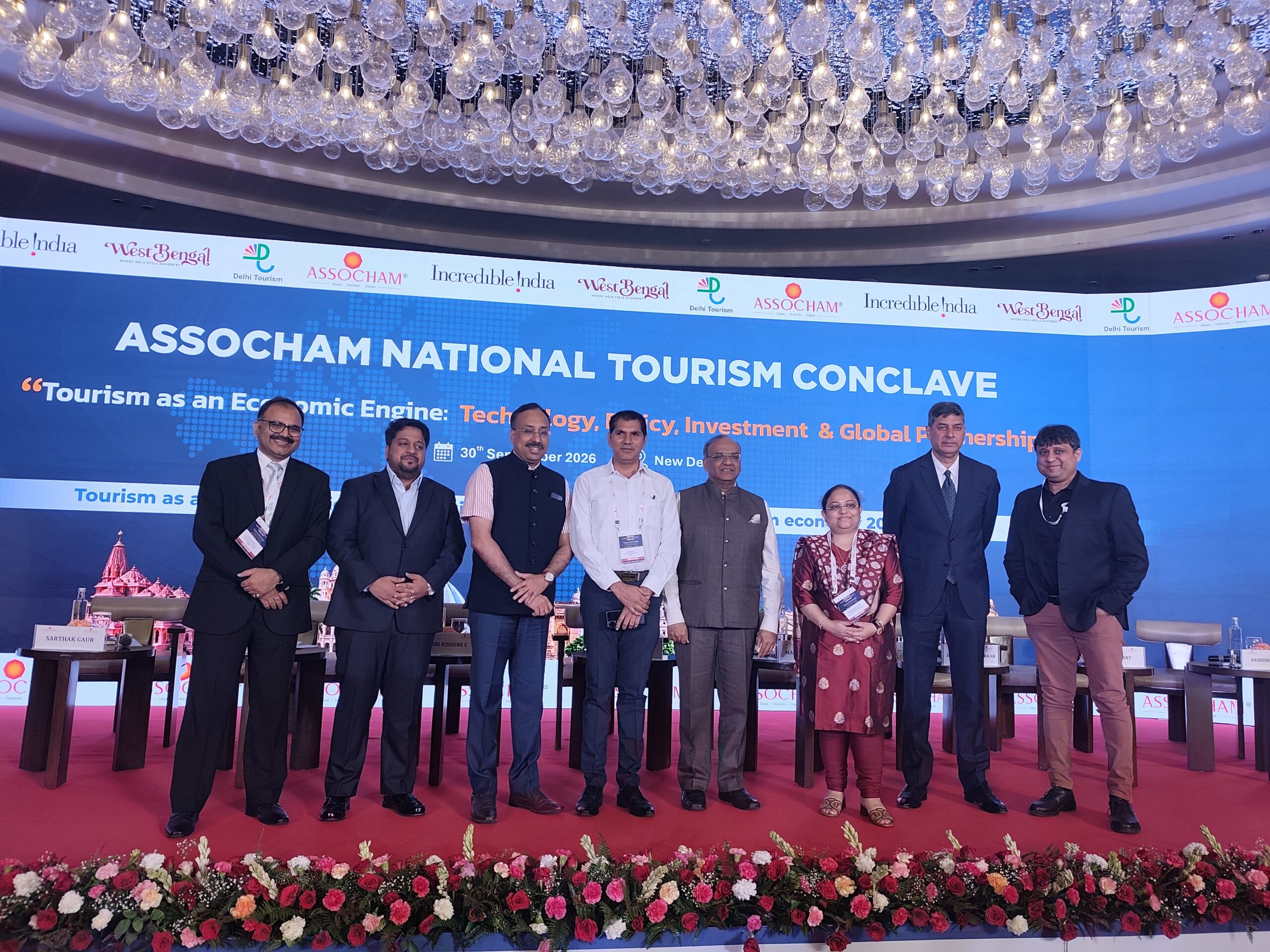
The discussions pointed to a tourism growth model in which rising demand is matched by investment in destinations and visitor infrastructure
“Tourism is emerging as an important driver of economic growth and employment, with the potential to play a much larger role in India’s journey towards Viksit Bharat 2047. As the economy grows and connectivity improves through highways, airports, railways and new transport corridors, the demand for tourism and travel experiences will also expand significantly,” said Shekhawat.
Also Read: IATO Convention ends with focus on a more efficient tourism system
He added that this will require greater investment and stronger participation from the private sector. “The next phase of tourism growth will require us to look beyond increasing tourist numbers and focus on building new destinations, creating new experiences and improving destination management,” said Shekhawat.
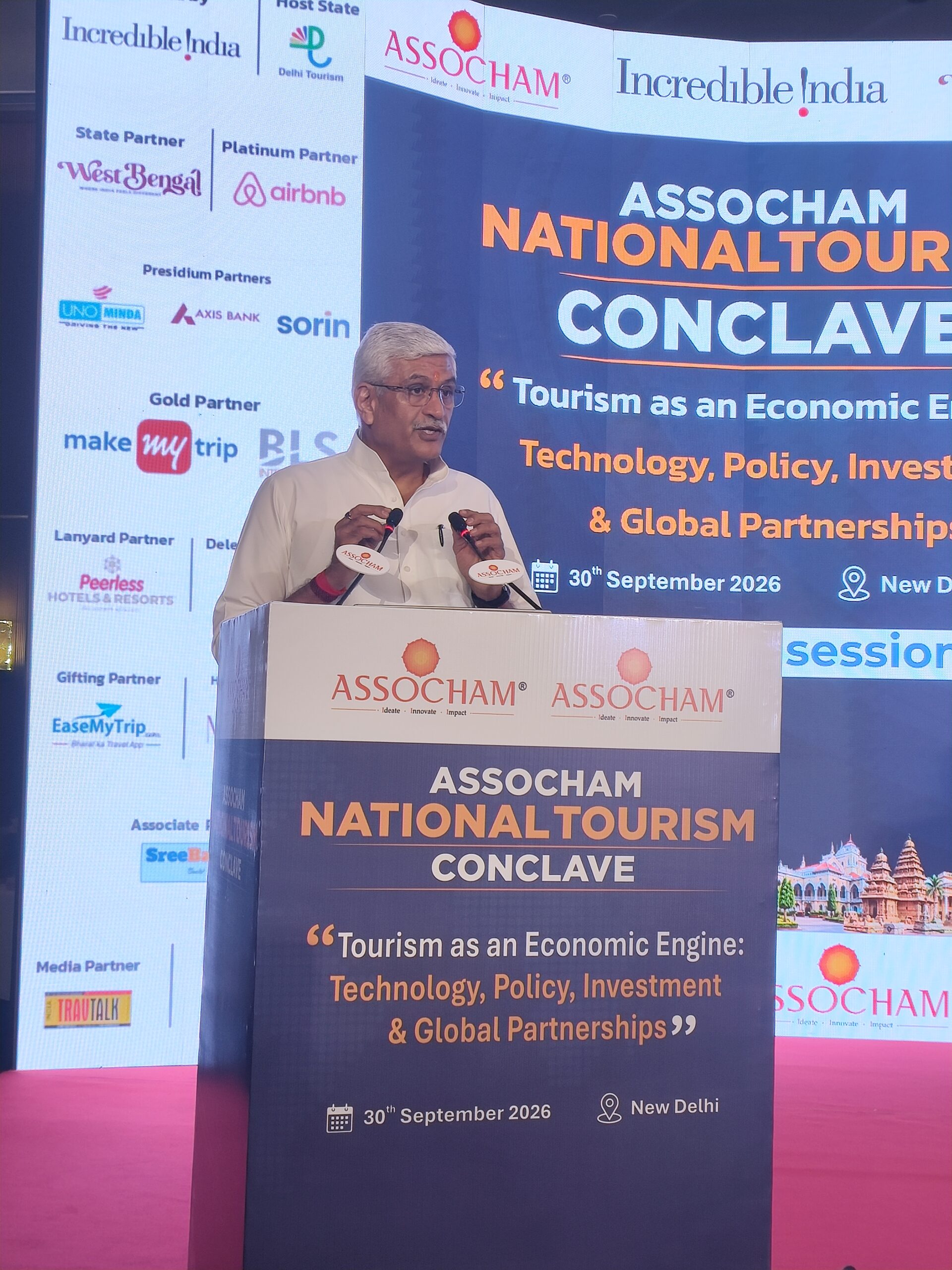
Gajendra Singh Shekhawat
The Minister said improving the quality of the visitor experience would require investment across the tourism ecosystem.
“The quality of the visitor experience is critical, and this requires investment in infrastructure, hospitality and human resource development across the tourism ecosystem. Technology will also be central to improving the tourism experience, from destination discovery and parking to feedback and visitor services,” he said.
The discussions came against the backdrop of a broadening tourism market, with the Assocham-CBRE report identifying spiritual tourism, MICE, wellness, cruise, rural and wildlife tourism as areas with investment potential. Improved connectivity through expressways, rail networks, ropeways and river-based circuits is also opening opportunities beyond established tourism markets.
Shekhawat said the government was already working with private players but called for greater participation from the industry.
Also Read: Largest-ever KTM 2026 opens with over 3,000 delegates, including 1,500 buyers
“The government has been working with technology companies, airlines and other platforms to strengthen this ecosystem, but greater private-sector participation and partnerships will be important. With the right combination of policy support, technology and investment, tourism can create significant opportunities for businesses, communities and the wider economy,” he said.
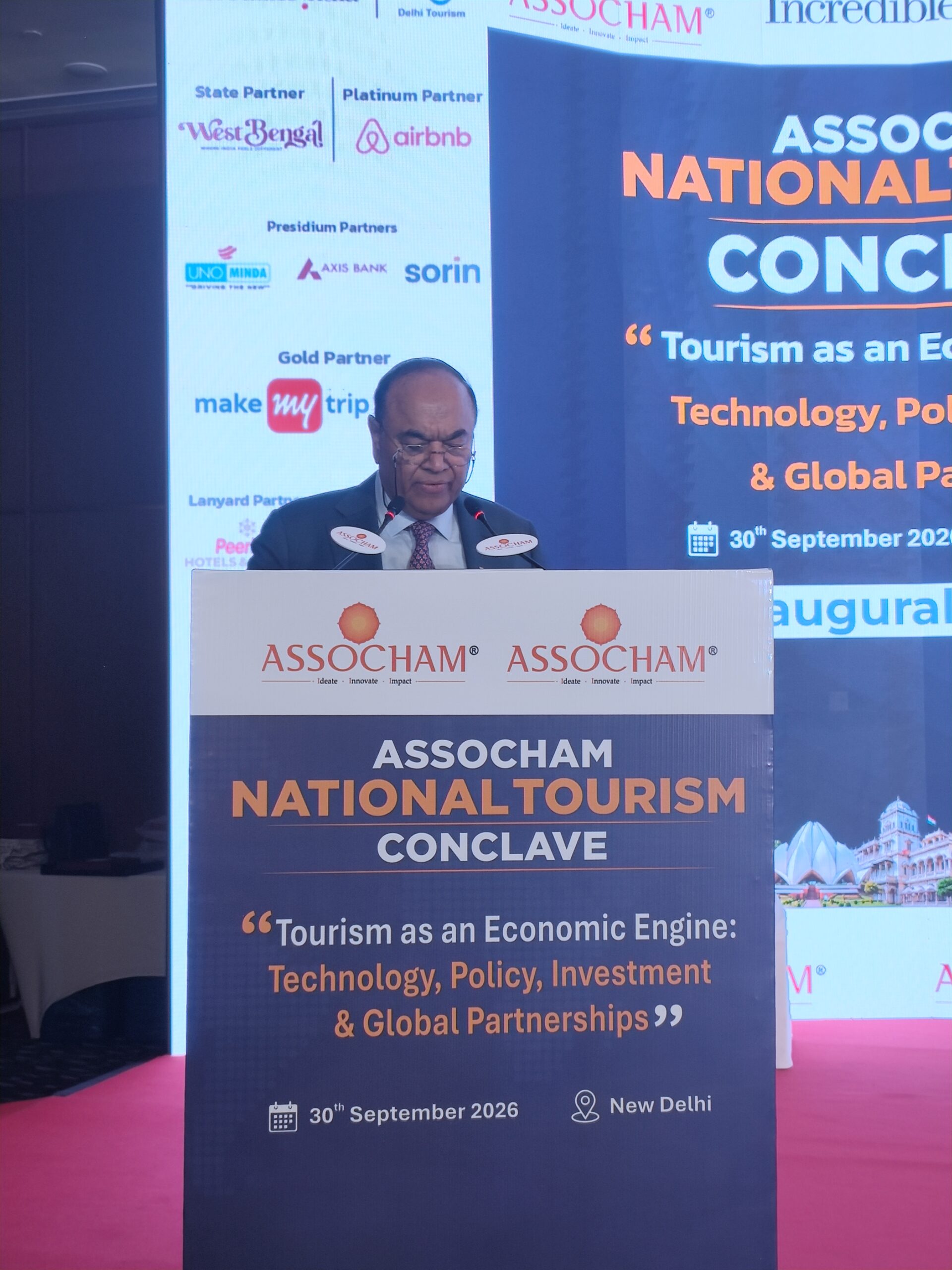
Nirmal K Minda
The report highlighted the recovery in the organised hospitality sector. Organised hotel occupancy increased to 64.1 pc in 2025 from 42 pc in 2021, while growth in average daily rates supported a recovery in RevPAR beyond pre-pandemic levels.
For the industry, the expansion of tourism is creating requirements beyond hotel capacity, including transport, attractions, food and beverage, retail, local enterprises and destination infrastructure.
Nirmal K Minda, President, Assocham, said the sector was increasingly linked to employment, investment and regional development.
“India’s tourism sector is at a defining juncture, evolving beyond leisure into a powerful engine of economic growth, employment, investment and regional development. As we move towards Viksit Bharat 2047, Assocham believes there is a need to build a tourism ecosystem that is globally competitive, inclusive and sustainable,” Minda said.
He added that the Assocham-CBRE report highlighted how improved connectivity and emerging segments such as spiritual, MICE, wellness, cruise, rural and wildlife tourism are opening new avenues for growth and investment.
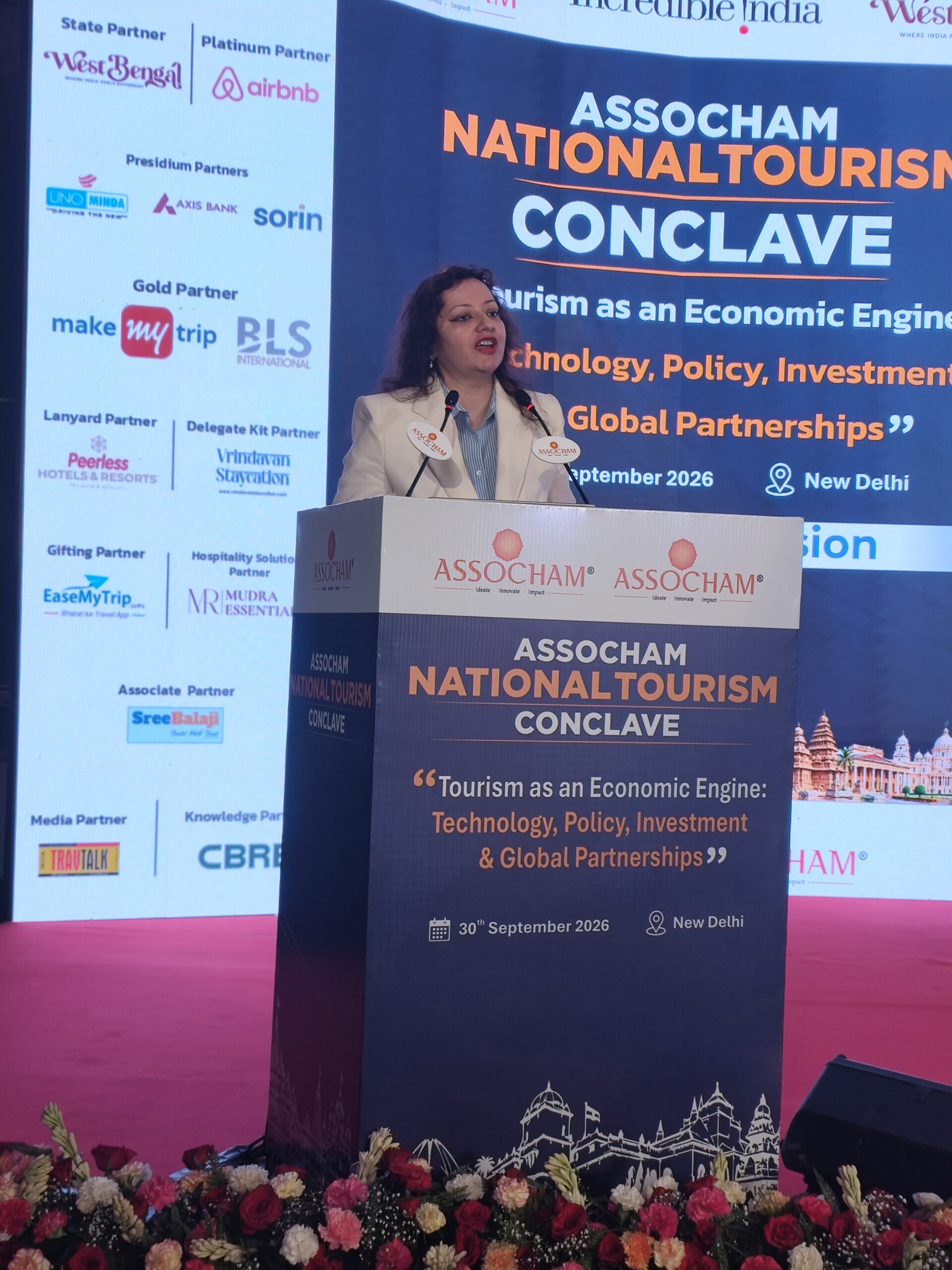
Subi Chaturvedi
He said the chamber’s focus would continue across Make in India, Ease of Doing Business, MSME growth, the Digital Economy and Sustainability.
“Through this Conclave, Assocham is bringing government and industry stakeholders together to identify opportunities, address sectoral priorities and translate them into actionable policy and investment roadmaps. This continued industry-policy dialogue will be critical to strengthening India’s tourism ecosystem and advancing the ambition of a USD 1 trillion tourism economy,” he said.
Technology and AI emerged as another area of discussion, particularly in relation to destination discovery and visitor management. Subi Chaturvedi, Member, MAG, United Nations IGF, (Media & Civil Society) said technology could help take demand beyond established circuits.
“Tourism is one of the sectors where every Indian can be an ambassador for the country. India’s opportunity is not simply to bring more travellers to the destinations we already know, but to help the world discover the extraordinary places, cultures, crafts, cuisines and communities it has yet to see,” Chaturvedi said.
Also Read: FAITH Conclave concludes with focus on tourism growth
She added that AI and technology can help the industry move from discovery to redistribution, taking attention beyond familiar tourist circuits and opening new pathways for local guides, artisans, women entrepreneurs, homestays and small businesses.
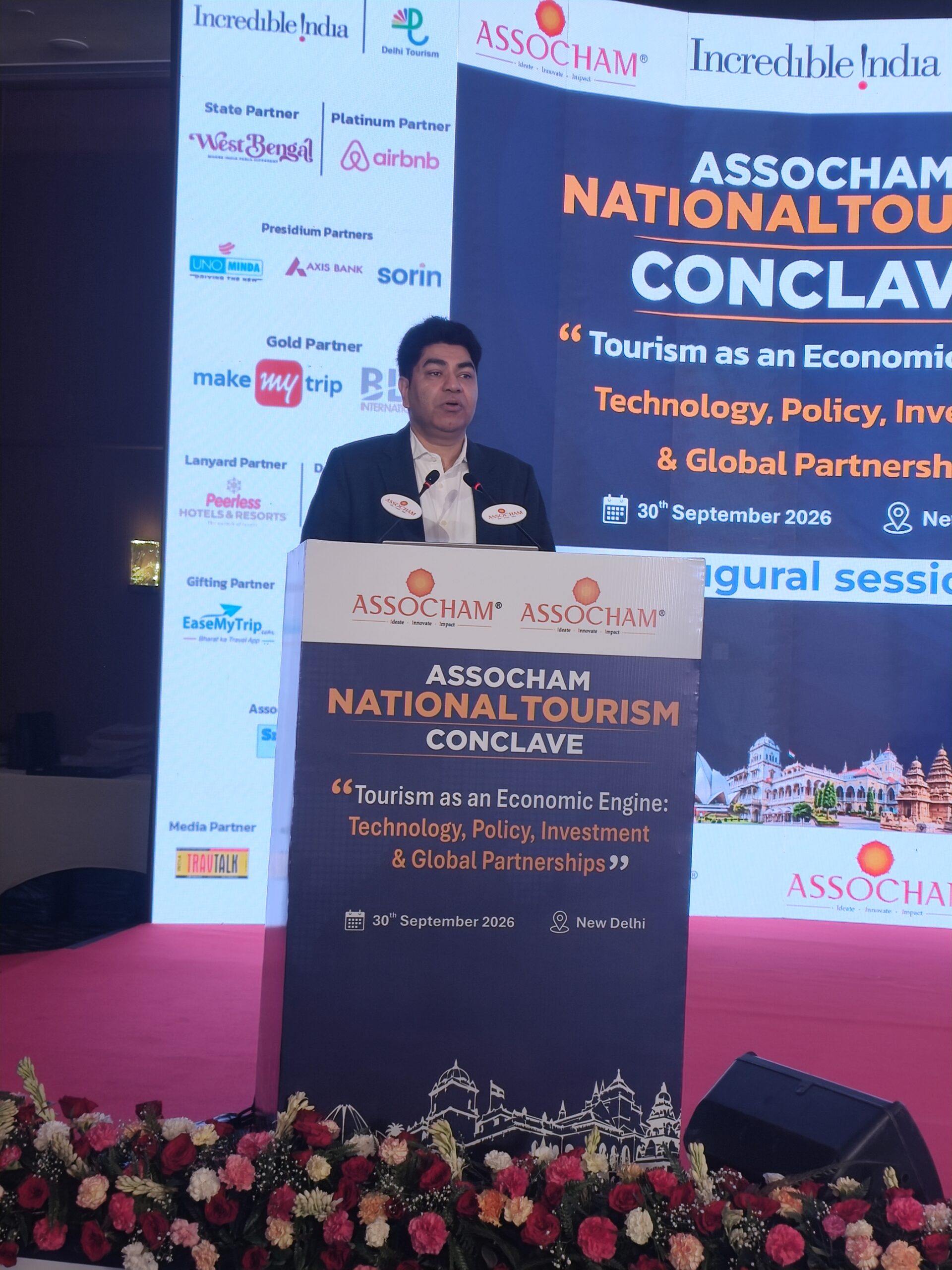
Anshuman Magazine
She said the impact of technology should be measured through its contribution to local economies and communities.
“But the real measure of smart tourism is not impressions or footfall alone. It is whether every new journey creates shared value, supports local livelihoods and protects the heritage and character of the places people come to experience,” she said.
Anshuman Magazine, Chairman & CEO, India, South East Asia, Middle East and Africa, CBRE, a real estate consultancy firm, said infrastructure and destination management would remain important as India develops its tourism proposition.
“India has a strong tourism proposition, with its mix of heritage, spirituality, culture, wildlife, wellness, beaches and mountains. The opportunity now is to strengthen infrastructure, destination management, cleanliness and safety while leveraging technology and AI to create a more seamless travel experience,” Magazine said.
The tourism trade also highlighted the wider economic impact of the sector. Ravi Gosain, President, IATO, said tourism supported businesses and livelihoods across the value chain.
“Tourism’s contribution to India’s economy goes far beyond arrivals and hotel rooms. It supports transport, hospitality, local businesses, artisans, guides and communities, while creating opportunities for young and women entrepreneurs,” Gosain said.
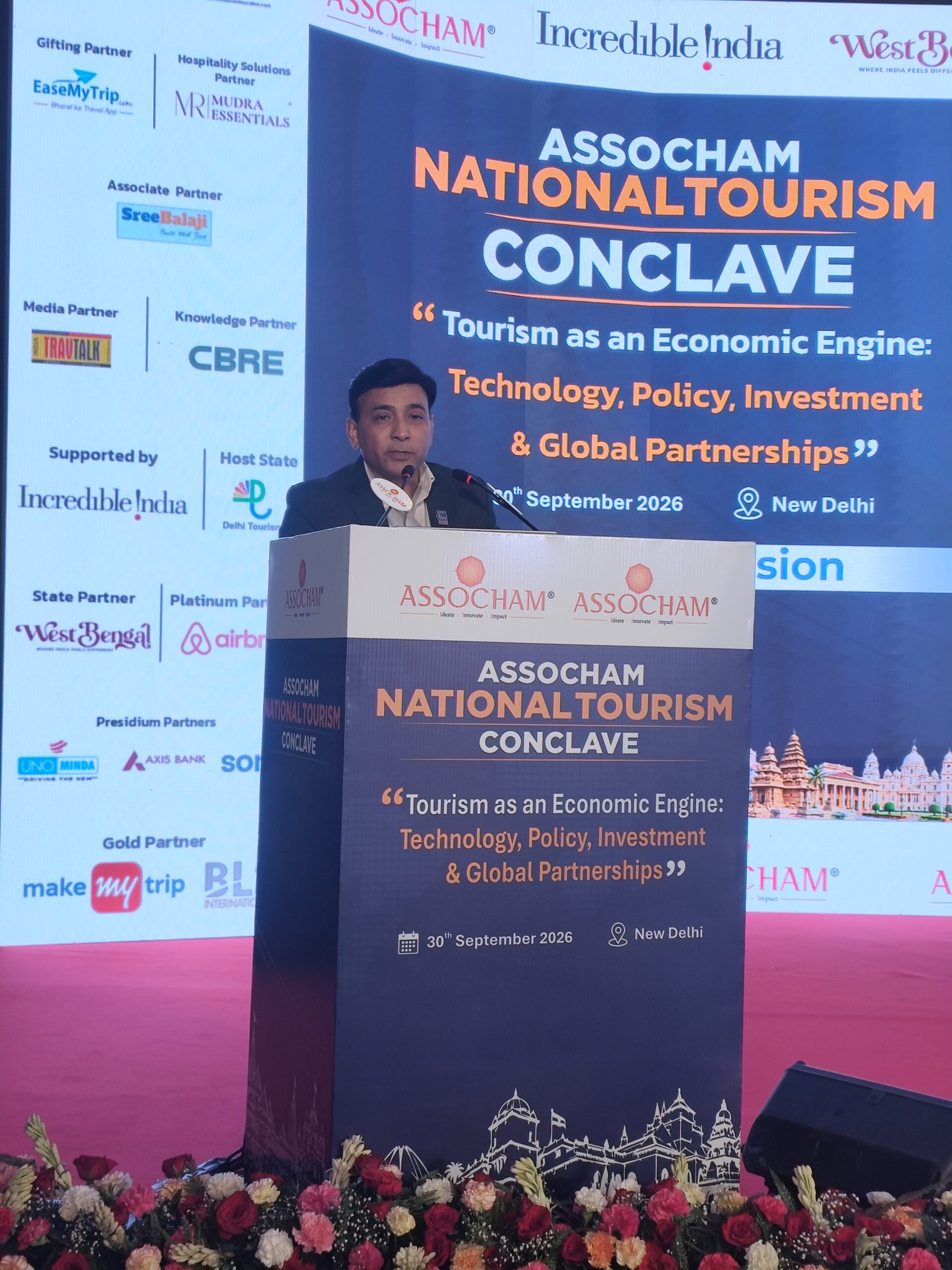
Ravi Gosain
He added that with its rich culture, heritage, nature, spirituality, wildlife and cuisine, India has a strong tourism proposition that can be developed into experiences that are easy to discover, book and enjoy. “Technology and AI can make travel planning more personalised and help businesses reach the right audiences, but the human element remains at the heart of tourism,” said Gosain.
He also called for continued investment in connectivity and digital infrastructure.
“To unlock the sector’s full potential, we also need continued investment in connectivity, digital infrastructure, skills and lesser-known destinations. Stronger government-industry collaboration can help turn India’s tourism potential into greater economic opportunity and better experiences for travellers,” Gosain said.
Also Read: ATOAI, Ministry of Tourism hold meet on positioning India as adventure tourism destination
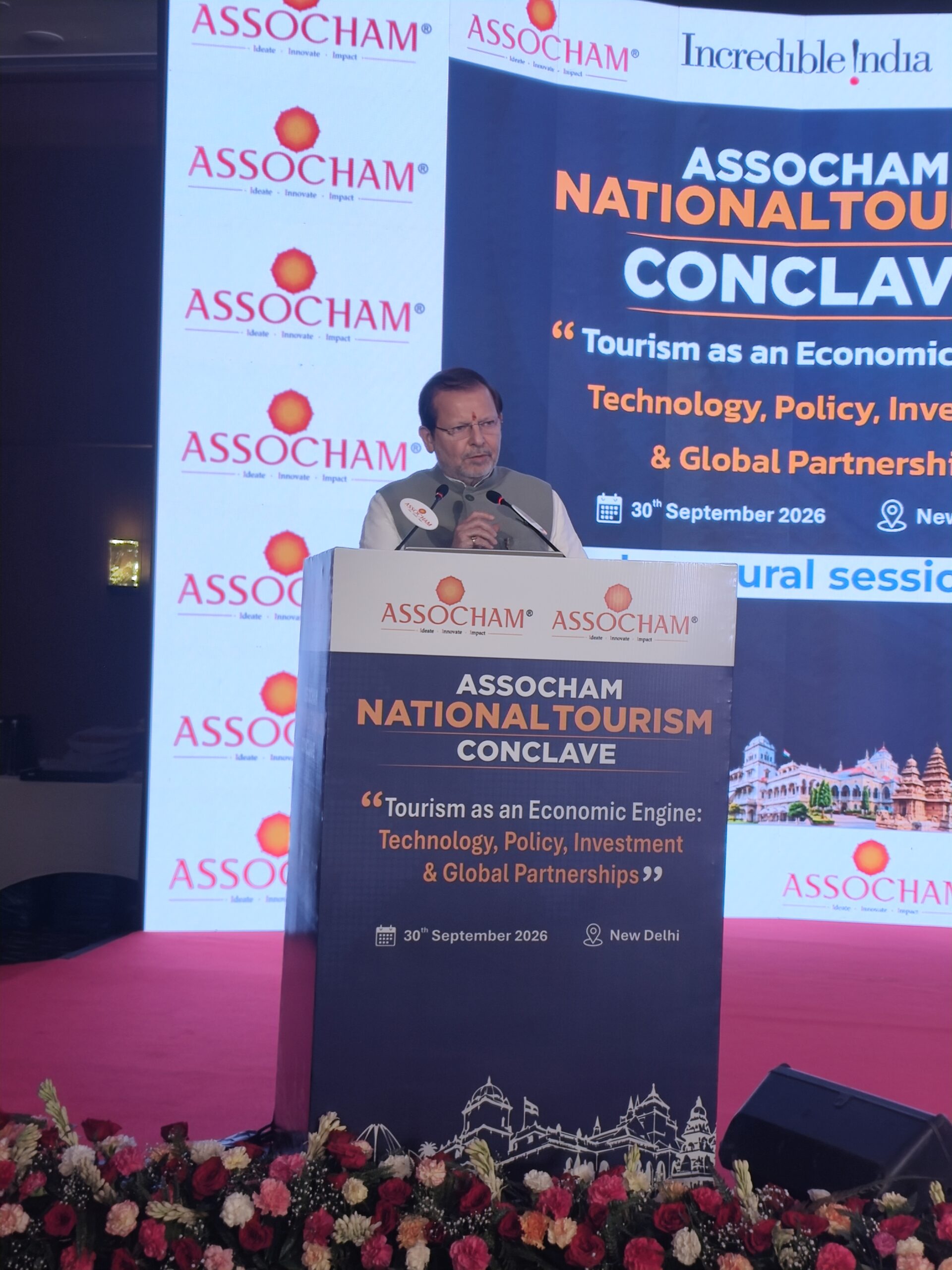
Arvind Kumar Sharma
The state-level discussion focussed on how individual destinations can attract investment and build tourism products outside established circuits. Arvind Kumar Sharma, Cabinet Minister for Cooperation, Jails, Elections, Heritage and Tourism, Government of Haryana, highlighted the state’s proximity to the National Capital Region and its heritage and cultural assets.
“Haryana has a strong tourism proposition, from Kurukshetra and its spiritual and historical heritage to Panipat and Surajkund, as well as emerging opportunities in rural tourism. There is also scope to explore public-private partnerships and attract investment into tourism properties and destinations,” Sharma said.
The conclave also examined ease of doing business, visa and visitor facilitation, digital governance, investment frameworks, PPP models, skills development and coordination between central, state and local authorities.