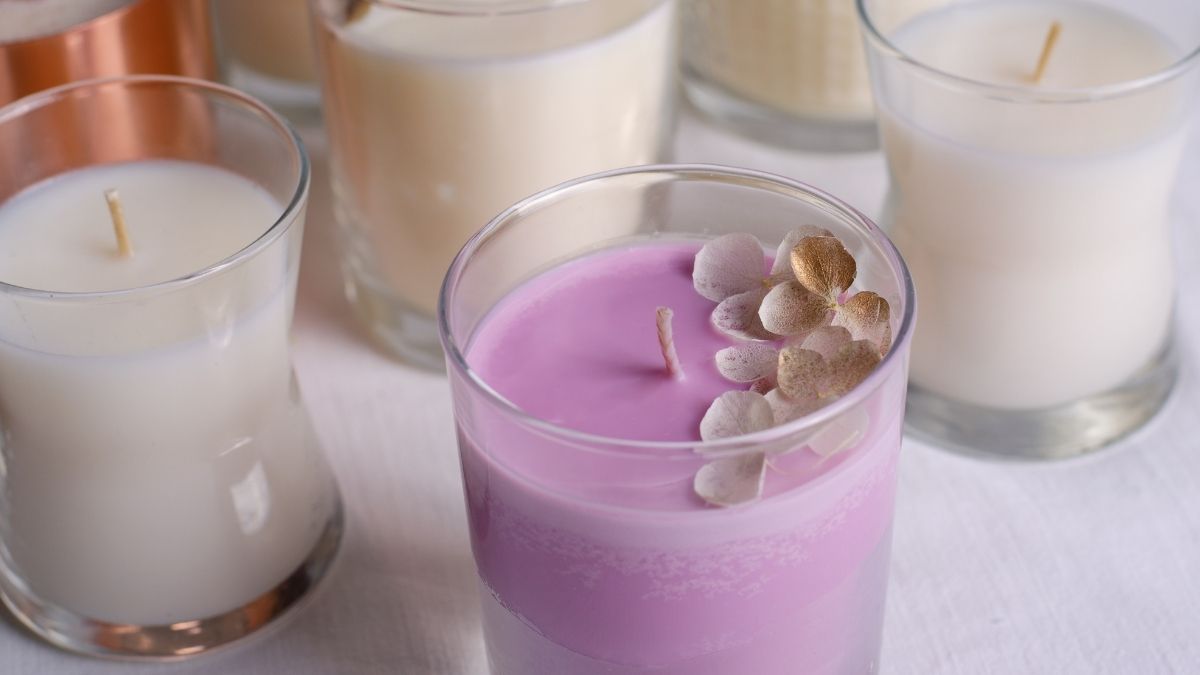
Candles are largely bought for decor, gifting and fragrance, with scented candles finding a growing place in everyday routines
Candles were once primarily used to light homes before electricity became widely available, but their role has changed over time. Today, candles are largely bought for decor, gifting and fragrance, with scented candles finding a growing place in everyday routines. This shift has also opened a small business opportunity, as makers produce candles in different fragrances, shapes and containers and sell them online.
The business is built around customisation. Customers can choose fragrances, colours, shapes, containers and packaging for birthdays, weddings, festive occasions and personal use. For makers, the entry cost is relatively manageable compared with many other businesses, but making candles consistently, sourcing materials, managing orders and finding customers can determine whether the venture remains a hobby or becomes a business.
For some makers, the first step is experimentation at home. They learn how different waxes behave, how much fragrance to use, how long a candle needs to set and which containers work best. Once the product is ready, social media becomes a shop window.
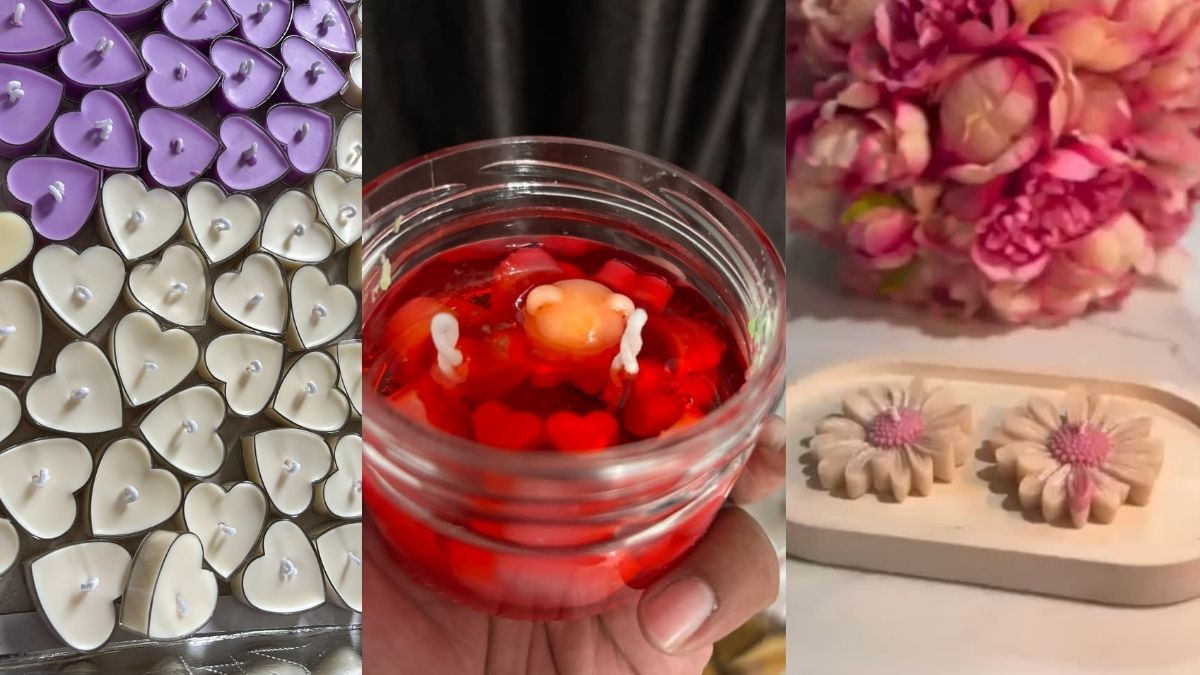
Candles are largely bought for decor, gifting and fragrance, with scented candles finding a growing place in everyday routines
Kittu Pande, Founder of Trysa Candle, started her business in 2024 in Pune. She says demand changes according to occasions and the festive season, while everyday use and gifting remain key reasons why customers buy scented candles.
Also Read: Scented Success: India’s candle market warms up post-pandemic
“I started Trysa Candle in 2024 and have been making candles for different customer needs. The demand depends on occasions and the festive season, but people also buy them for everyday use and gifting. Many customers like using candles for decor as well. Jar candles in different fragrances are among the products they prefer, and lavender is our best-selling fragrance. We have also kept our prices affordable, with candles starting from INR 30, so customers have options at different price points,” Pande tells Media India Group.
For Trysa Candle, jar candles form part of this demand, with customers choosing between different fragrances. Lavender is currently the business’s best seller, showing how fragrance preferences can influence sales and product selection.
Anjali Mittal, Founder of laviishcandles based in Delhi said customers are increasingly interested in candles that have a specific purpose or occasion attached to them.
“Our business is focused on making candles that people can buy for themselves as well as for gifting. Customers often come with a particular idea, such as a fragrance they like, a particular shape or customised packaging. We have to balance what customers want with what is practical to produce. The challenge is maintaining the same quality when orders increase because handmade products require time at every stage, Mittal tells Media India Group.
Custom orders can help small businesses differentiate themselves from mass-produced products. Instead of competing only on price, makers can offer personalised names, messages, colours, shapes and fragrances.
Social media has become an important part of this model. Platforms such as Instagram allow makers to display finished products, introduce new collections, show the production process and communicate directly with customers. A small business can begin without a physical store, although online visibility does not automatically translate into sales.
As to sell, makers need to build trust. Customers buying online cannot smell a candle before purchasing it, making product descriptions, fragrance information, photographs and reviews important. Repeat customers and recommendations can therefore play a role in building a customer base.
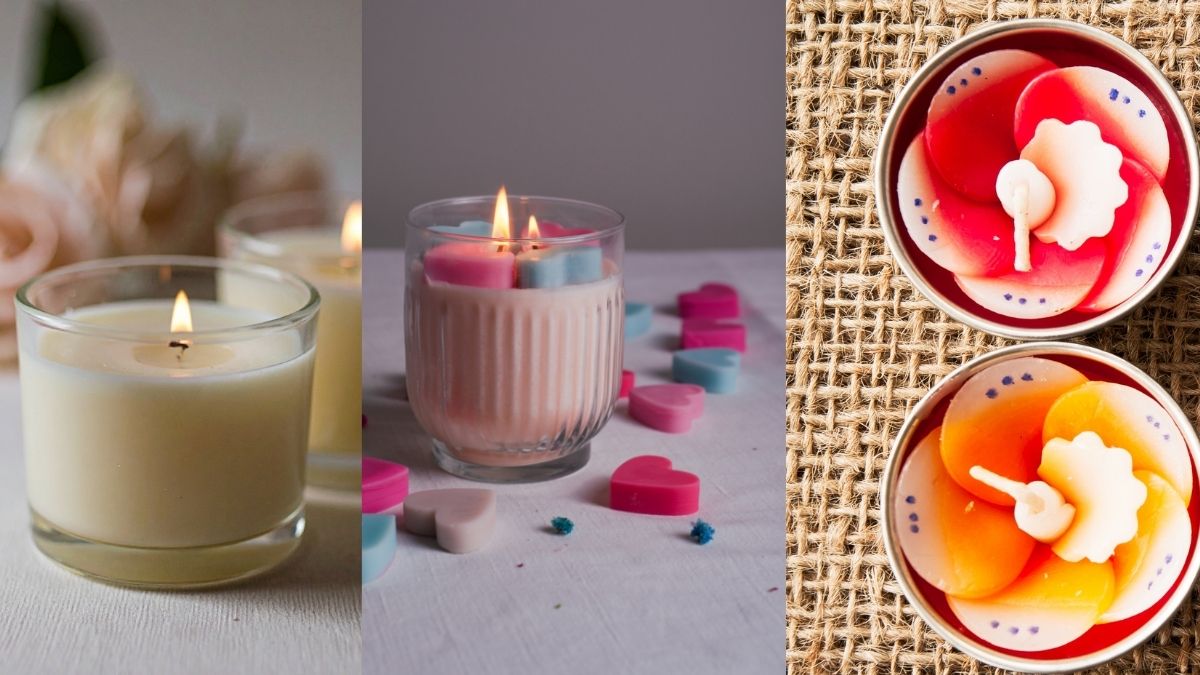
Handmade and artisan candles are experiencing a massive growth surge, driven by rising consumer demand for home wellness, sustainable decor, and personalised gifting
For buyers, scented candles are not limited to decoration. Some use them as part of their daily routines, particularly when they want to create a particular atmosphere at home.
“I use scented candles depending on my mood. After work, I sometimes light one while reading or relaxing because the fragrance changes how the room feels. I also use different scents at different times. For me, it is less about decoration and more about creating a routine and making some time for myself,” Mehak Ramzan, who works at Accenture, a consultancy firm, at Noida in the National Capital Region, tells Media India Group.
Also Read: India’s hotel business is bouncing back with occupancy nearing 70 pc: HVS Anarock
This connection between fragrance and routine is also influencing what customers look for. Some prefer floral or fresh scents, while others choose woody, sweet or food-inspired fragrances. Others buy candles because of their appearance, particularly when they are intended as gifts.
For makers, however, demand can be unpredictable. Orders may rise around festivals, weddings, birthdays and other occasions and then fall during quieter periods. Managing inventory can also be difficult because keeping too much stock ties up money, while keeping too little can delay orders.
Raw material sourcing is another issue. Wax, fragrance oils, wicks, jars and packaging are often purchased from different suppliers. Changes in availability or prices can affect the final product and its margins. Makers also have to test materials before selling them because wick size, wax type and fragrance concentration can affect how a candle burns.
The handmade nature of the business can also limit production capacity. A maker working alone has to handle production, packaging, photography, social media, customer service, accounts and deliveries. As orders increase, the business may need additional equipment, workspace or staff.
This is where the difference between a hobby and a business becomes clear. Making a few candles at home can be straightforward. Producing hundreds of consistent products, meeting deadlines and earning a margin requires planning.
Marketing is another part of the work. A new maker has to find ways to reach customers without spending more on promotion than the business can support. Social media content, customer referrals, collaborations and seasonal collections can provide ways to reach buyers, but they require regular effort.
The business also depends on understanding which products actually sell. Makers may experiment with several fragrances or designs, but customer response determines which ones remain part of the collection. Some products may attract attention online but generate few orders, while simple designs may become repeat sellers.