
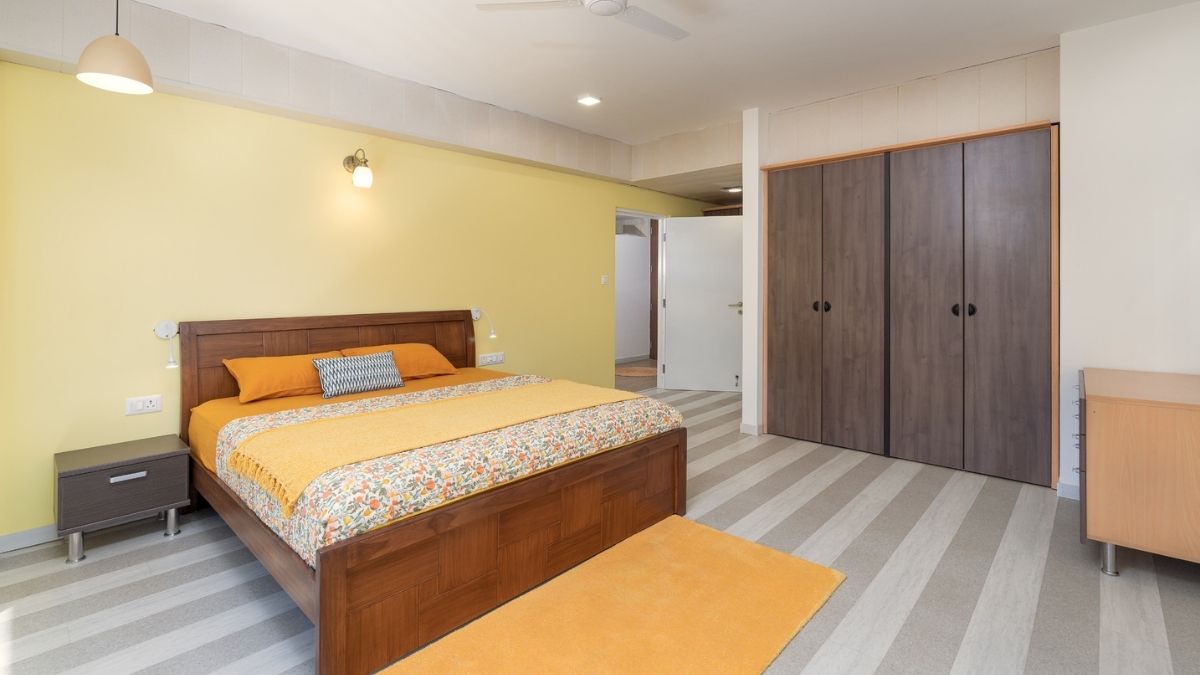
India is healthy with about 150,000-200,000 rooms under development in various stages of construction
India’s hotel business is recovering strongly from the Covid-19 pandemic as occupancy levels approach 70 pc and room prices rise 10-15 pc, says a report by HVS Anarock, a hospitality analysis firm.
In a press statement, HVS Anarock says that the main drivers for the growth are strong internal travel demand, growing leisure tourism with higher room rates and expansion outside of metro areas.
The statement adds that the hotel industry in India has made a tremendous recovery from pandemic lows when occupancy levels in key marketplaces had fallen to around 30-40 pc in 2020-21, which has now recovered to a relatively stable level of mid to high 60s pc and close to 70 pc in peak demand periods, demonstrating a greater rebound in demand compared to present performance.
According to the statement, STR/CoStar industry averages show that Average Room Rates (ARR) in major Indian cities have increased around 10-15 pc year-on-year in recent periods, supported by robust leisure travel, weddings and limited incremental premium supply. That is a big jump from the pre-pandemic era, when price rises were typically in the low single digits, it says.
Also Read: Hotels.com lists top 8 hotels in India
The report adds that Revenue per Available Room (RevPAR), a key profitability metric, has experienced consistent double-digit growth rates, pointing to both higher occupancy levels and stronger pricing power in key hotel markets.
HVS Anarock points out that there is a fundamental structural shift as the importance of Tier-II and Tier-III cities is rising and these cities are now emerging as important demand centres. Better connectivity, increased domestic travel and the rise of leisure travel have all contributed to a change in demand away from traditional metro-centric markets.
It adds that the branded hotel pipeline in India is healthy with about 150,000-200,000 rooms under development in various stages of construction, confirming the long-term investor confidence in the sector.
The analysis firm says that domestic tourism remains the engine of demand while inbound travel continues to rebound unevenly from pre-pandemic levels. Meanwhile, a weak currency and global macroeconomic uncertainty are hampering outbound travel.
According to HVS Anarock while the sector has experienced a strong recovery, it still faces challenges such as a patchy regional recovery, increasing operating costs and seasonal volatility linked with travel cycles and disruptions due to weather.
According to the report the larger tourism ecology too is moving at a fast pace. India recorded more than 420 million air passengers in 2025, an increase of almost to 5 pc year-on-year, indicating the ever growing demand for mobility. There were approximately 338 million passengers on domestic flights, demonstrating the frequency of travel within the country.
The analysis says that Inbound tourism in India experienced a gradual increase up in line with global travel trends with 9.02 million foreign visitor arrivals in 2025. The inherent strength of India’s domestic travel industry is the growing domestic tourism market in India with 4,548 million domestic tourist visits in 2025 and projections that this may possibly increase to 9.5 billion trips by 2030.
HVS Anarock says that the driver of demand is faith-based tourism and that the latest Mahakumbh held in January 2025 at Allahabad, also known as Prayagraj, Uttar Pradesh, with an estimated 663 million visitors, exemplifies the importance of religious and pilgrimage travel in driving demand for hospitality services.
As per the report by HVS Anarock, Revenue per Available Room (RevPAR) has also been steadily growing at double digit rates in the range of 12-18 pc in Indian markets, partially due to higher occupancy and improved pricing power in core hotel markets, according to the benchmarking firm.
