
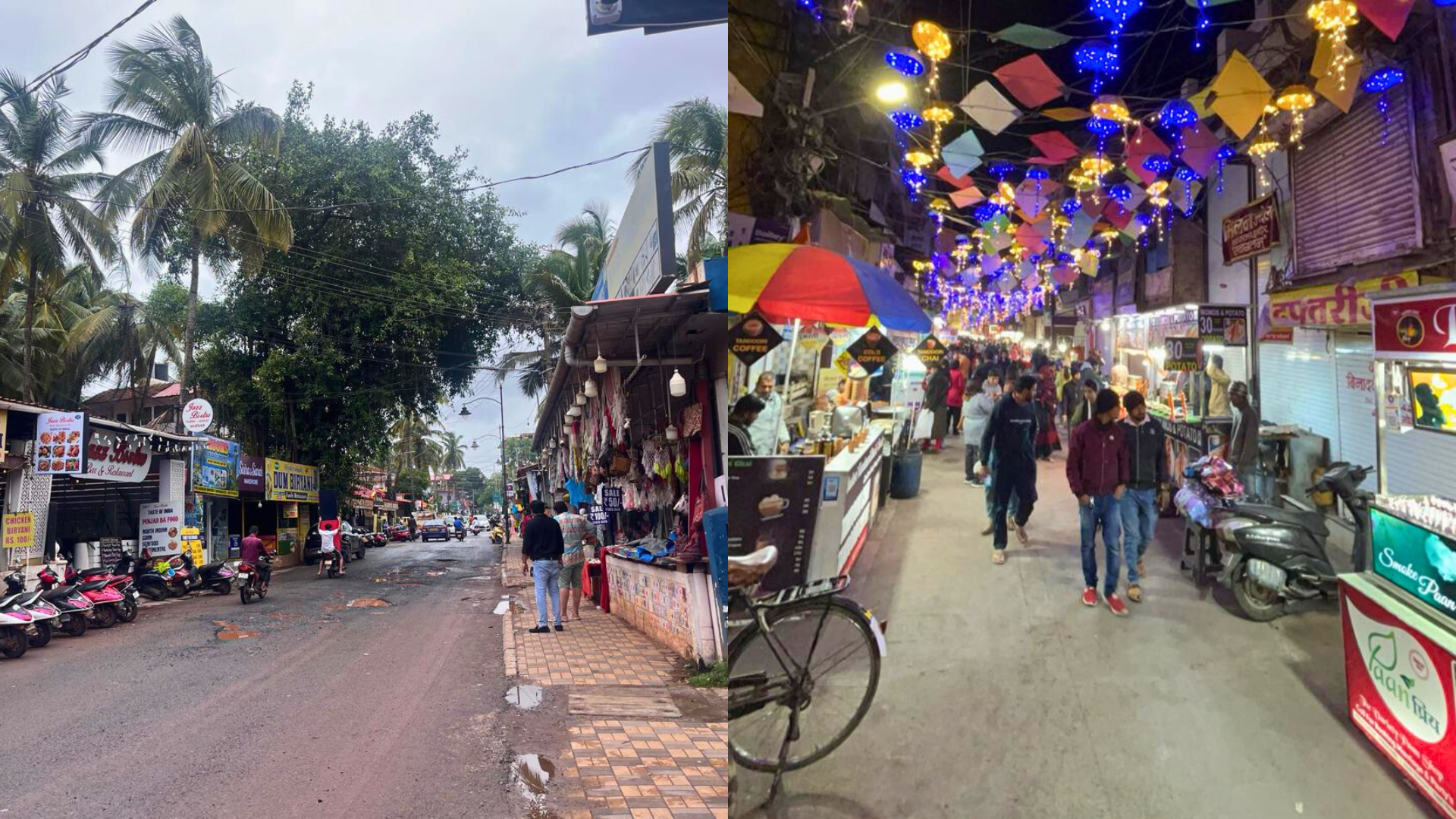
The mounting prosperity of Tier II and Tier III cities is underpinned by a series of interrelated factors
Almost four decades after the economic reforms began, the power centre of the Indian economy has begun shifting from the metros to India’s Tier II and Tier III cities that have emerged as the new growth engines of the national economy, marking a striking shift in consumption, employment, and business innovation.
As per Invest India, a government organisation mandated with promoting India as an investment destination, these centres, including Visakhapatnam, Kochi, Indore and Patna, now collectively account for nearly 40 pc of India’s GDP, a share that is steadily expanding as these cities attract both governmental and private sector investments.
According to the International Monetary Fund (IMF), India’s nominal GDP is projected to reach USD 4.27 trillion by the end of 2025, having doubled from just USD 2.1 trillion a decade earlier, heralding a major transition in economic power from metropolitan India to its smaller cities. The mounting prosperity of Tier II and Tier III cities is underpinned by a series of interrelated factors. Dispersal away from saturated and costly metros has been accelerated by government policies prioritising infrastructure, supported by local incentives, improved roads, airports, and public transportation.
“Tier II and Tier III cities have become hotbeds of investment because they offer a lower cost base for both consumers and enterprises, while dramatically improving the urban quality of life,” Rupsha Mukherjee, an Assistant Manager at an investment firm based in New Delhi, tells Media India Group.
Real estate data backs this, showing a 20 pc spike in housing sales in smaller towns in 2024 alone, with real estate set to contribute a projected 13 pc to GDP by 2025 as the market approaches USD 1 trillion by the end of the decade. Banks and developers are specifically targetting these areas, offering more accessible home loans to satisfy rising aspirations.
Digital adoption is also transforming these cities at an unprecedented pace. Internet penetration in Tier II and Tier III cities is growing at approximately 30 pc annually, according to Nasscom, a trade association, enabling a new level of access to online commerce, media, and financial services. E-commerce behemoths like Amazon and Flipkart are expanding their delivery networks, targetting the smaller cities as the critical next frontier and survey data suggests these cities could account for more than half of all online shopping within the next 5-10 years.
“Digital connectivity has fundamentally shifted the aspirations and consumption behaviour of Tier II and III consumers as they are more brand-aware and seek convenience, which is a boon for e-commerce, fintech, and quick commerce,” says Mukherjee.
Micro, Small and Medium Enterprises (MSMEs) are playing a pivotal role. More than half such as 51 pc of India’s registered MSMEs are located in Tier II and III cities, benefitting from lower operational costs, easy access to skilled labour, and strong administrative support at the local level. Start-ups are also increasingly setting up outside the metros to leverage the unique advantages of these locations, including logistical cost savings and closer proximity to untapped consumer markets.
Notably, sectors such as Banking, Financial Services, Insurance (BFSI) have seen a steep uptick and entry-and junior-level positions grew by a record 24 pc in 2024, with Tier II/III locations clocking increases of 23 pc and 37 pc compared to just 9 pc and 2 pc in metros the year earlier.
India’s economic landscape is being decisively reshaped by the rise of Tier II and Tier III cities, which are attracting investment, fostering innovation, and transforming consumption patterns. As these urban centres continue to grow, they are poised to play an increasingly central role in India’s economic future.
