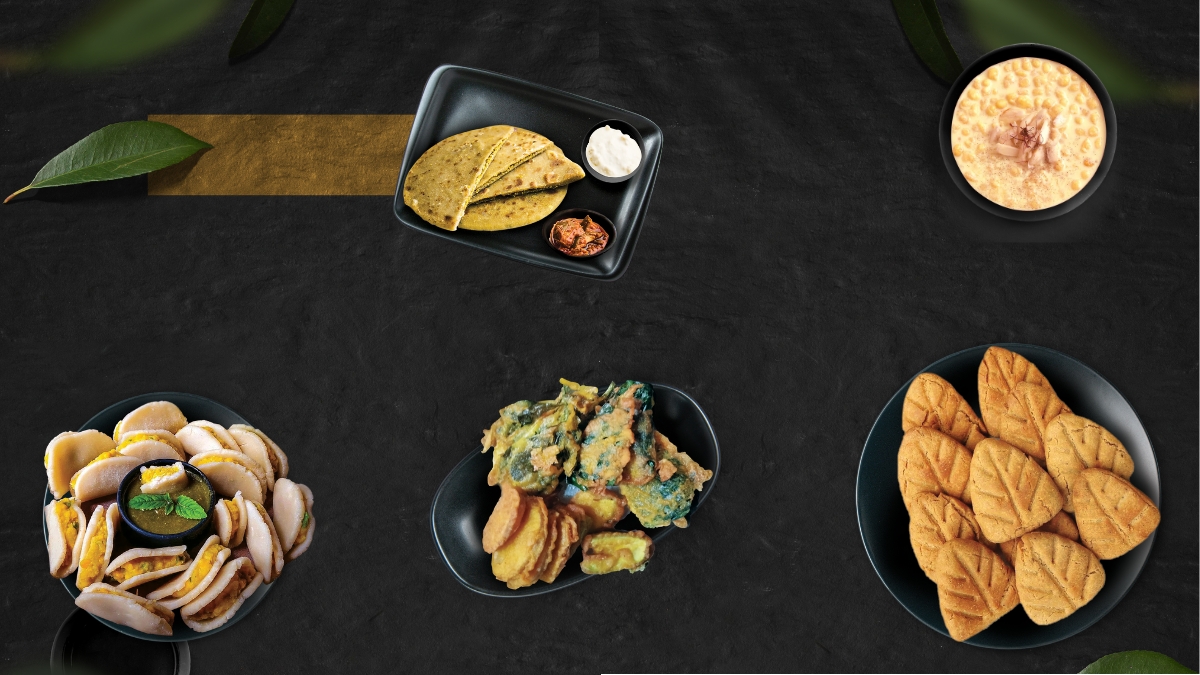
Bihar's cuisine offers a blend of tradition, regional diversity and local flavours
As with almost every part of India, Bihar, an eastern state spread across the fertile Gangetic belt, carries a culinary tradition as old as its civilisation. Though litti chokha is Bihar’s best-known dish, the state’s culinary heritage stretches well beyond it, featuring a diverse range of savoury and sweet creations that draw on local ingredients, seasonal harvests, festival rituals and regional traditions.
The state’s cuisine draws from the rhythms of planting and harvest cycles, the bounty of its fields and rivers, and centuries of layered cultural influences that include ancient Buddhist and Jain simplicity, rural agrarian practicality, and regional diversity.
Bihar’s geography plays a defining role in its cooking. Criss-crossed by rivers such as the Ganga, Kosi, Gandak and Son, the state has long been an agricultural heartland, especially for rice cultivation and lentils. Rice is the staple grain here, eaten with daal (lentils) and chokha (mashed vegetables) as the core of most daily meals. This abundance of rice and lentils underpins many of the dishes that define Bihari food, making it both wholesome and deeply satisfying. Mustard oil, panch phoran, a spice blend of cumin, fenugreek, nigella, fennel and ajwain (carom seeds) and minimalist use of spices are distinctive features of regional cooking, letting natural flavours take centre stage.
Bihar’s cuisine includes several regional sub-traditions too. Bhojpuri cuisine in western Bihar, Maithil cuisine in the north and Magahi cuisine around Patna and south Bihar each bring subtle differences in ingredients and technique. These regional styles reflect local crops, climate and festivals, adding layers to a rich culinary identity that goes far beyond the state’s most celebrated dish.
Also Read: Odia Cuisine: Unseen and Underrated
Savoury staples and seasonal specialties
Pharra
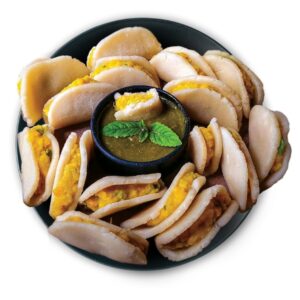
Pharra
In the Tirhut region, Darbhanga and Saharsa, pharra remains a rustic favourite. These steamed dumplings are made from rice flour and lentils, lightly spiced with cumin and green chillies. Once steamed, it is sometimes finished with a tempering of mustard oil for aroma and served as a light snack or part of a meal.
Its simplicity reflects a strong regional preference for steamed foods that are easy on the stomach and celebrate the natural flavours of the ingredients without heavy sauces or rich gravies.
Tilkor Tarua
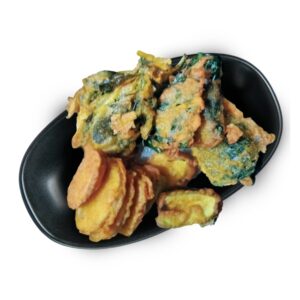
Tilkor Tarua
Across rural Bihar, especially in monsoon months when greens are abundant, tilkor tarua showcases the state’s use of local leaves and foraged ingredients. These fritters are made from seasonal greens, coated lightly in a chick pea flour batter and fried until crisp. Tilkor tarua represents a tradition rooted in seasonality and sustainability harvest what grows around you and transform it into a snack that is simple yet satisfying.
Sattu Paratha
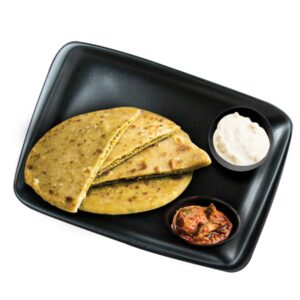
Sattu Paratha
Sattu, roasted gram flour, has been central to Bihar’s diet for centuries and is perhaps one of the most representative ingredients of the region’s cuisine. All over the Bihar, sattu paratha is a beloved staple. Roasted gram flour is mixed with mustard oil, onion, green chilli, garlic, lemon juice and pickle, then stuffed into whole wheat dough and cooked on a griddle.
Known for its cooling properties, this paratha is especially popular during the summer months and has historically been valued as a sustaining meal for farmers and travellers. Its combination of protein, fibre and tangy spice keeps energy levels up during long days in the fields.
Champaran Meat (Ahuna Mutton)
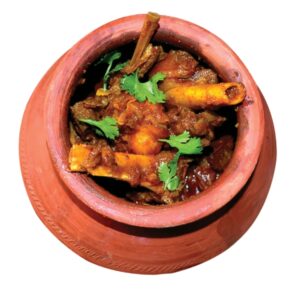
Champaran Meat
From the Champaran region in western Bihar, comes one of the most celebrated non-vegetarian dishes of the state, Champaran mutton, also known as ahuna mutton. This preparation is slow-cooked in a sealed earthen pot without adding any water, allowing the meat to cook in its own juices with mustard oil, onions, garlic and whole spices.
The sealed pot traps steam, creating a rich, smoky aroma and deeply layered flavour that stands apart from quick-cooked curries. Traditionally made for large gatherings and celebrations, this dish captures the communal spirit of Bihari food, where slow cooking and shared meals forge social bonds long before the first bite.
Also Read: Parsi cuisine: Indian influence on Persian palate
From jaggery to milk: Bihar’s sweet legacy
Thekua
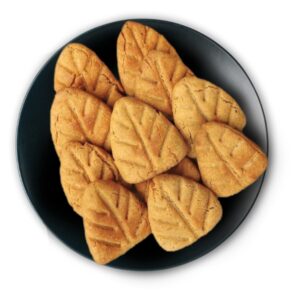
Thekua
Thekua is inseparable from Bihar’s most important festival, Chhath Puja, when families across the state prepare offerings for the worship of the Sun God. Made from wheat flour, jaggery and ghee, and flavoured with fennel and cardamom, the dough is shaped and deep-fried until crisp. Thekua’s texture, crunchy on the outside, soft, aromatic and rich with jaggery inside. As an offering, it symbolises purity and devotion, and as a snack it embodies the central role sweets play in Bihari ritual life. Thekua also has a presence across neighbouring Nepal and eastern Uttar Pradesh, reflecting shared cultural roots of the Gangetic plain.
Sakrori
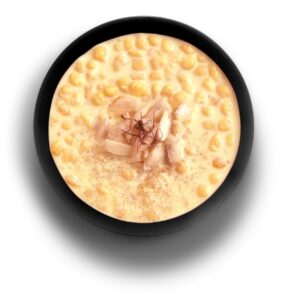
Sakrori
Traditionally prepared in Gaya, Nalanda, Samastipur, Tirhut and Mithila, sakrori is a creamy dessert in which boondis or small fried droplets of gram flour batter, are simmered in milk until soft and delicately flavoured with cardamom.
Often served at weddings and religious occasions, it reflects Bihar’s preference for lighter, milk-based sweets in celebratory cuisine. Its gentle sweetness makes it a favourite after heavier meals or spicy savoury dishes