
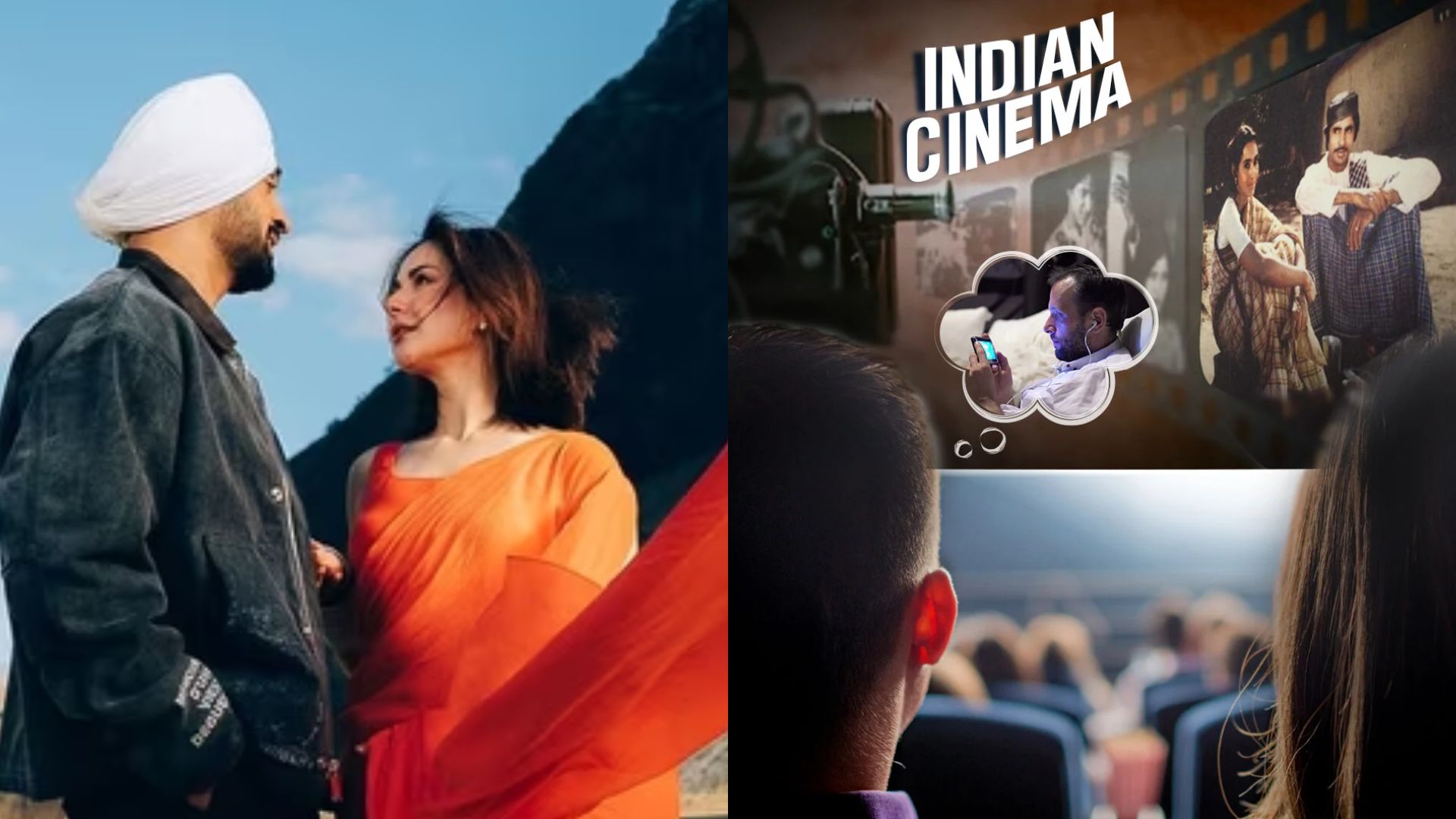
The backlash reveals a troubling pattern as calls to boycott artistic projects often persist regardless of context or timing, sometimes even when they defy logic
Cinema is a collaborative craft, its success rests not just on stars, but on the work of entire crews, camerapersons, makeup artists, technicians, and producers. So, when a film faces backlash, delays, or gets shelved entirely, it is not just a creative setback, it is a blow to livelihoods behind the lens. From political sensitivities to cultural outrage, the reasons may vary, but the consequences ripple far and wide.
Now, Sardaar Ji 3, starring Diljit Dosanjh and directed by Amar Hundal, finds itself in the eye of such a storm. The film is facing growing criticism for casting Pakistani actress Hania Aamir, a move that has triggered outrage in India amid ongoing cross-border tensions. Online, calls for a boycott have been mounting, while certain film bodies have demanded Diljit be dropped from Border 2 and asked the censor board to block certification of Sardaar Ji 3 altogether.
Responding to the backlash, Diljit clarified that the casting was finalised, and the film was shot, before recent tensions escalated. Still, the controversy has only deepened following Hania Aamir’s recent criticism of India’s military operation which she called “cowardly,” expressing sorrow over civilian deaths in Pakistan. Her remarks have added fuel to an already volatile debate, pushing Sardaar Ji 3 into a larger conversation where film, nationalism, and public emotion collide.
The Conflict Between Art and Sensibilities Deepens
However, this backlash reveals a troubling pattern as calls to boycott artistic projects often persist regardless of context or timing, sometimes even when they defy logic. The mere association with Pakistan is enough to trigger widespread anger. This sentiment has now spilled over into other cinematic projects as well. Fawad Khan, a Pakistani actor’s upcoming Bollywood film Abir Gulaal has been indefinitely postponed following the Pahalgam terror attack, with the Ministry of Information and Broadcasting reportedly halting its release.
Similarly, The Legend of Maula Jatt, starring Fawad Khan and Mahira Khan, which was slated to be the first Pakistani film released in India in over a decade, has seen its Indian debut blocked.
While some celebrities like Abhijeet Bhattacharya and Rupali Ganguli have condemned Diljit’s casting choice and stressed that “nation comes first,” renowned stars like Naseeruddin Shah have taken a defiant stance, defending artistic collaboration and cross-border ties.
In Shah’s words, “What these goons want is to put an end to personal interaction between the people of India and Pakistan… And my response to those who will say ‘Go to Pakistan’ is ‘Go to Kailasa’.” His strong words encapsulate a deeper frustration with those who conflate art with allegiance.
Ultimately, these polarised reactions expose a deeper societal fault line, where cinema becomes a battleground for nationalism and emotional retribution. The gap between art and politics is not just widening, it is being weaponised. In the process, nuanced storytelling, artistic voices, and cultural exchange are increasingly sacrificed at the altar of outrage.
Lamenting on the controlled literary space, Vaibhavi Mishra, an entertainment and lifestyle journalist, observes that the film industry is already navigating turbulent waters, with dwindling theatre audiences and streaming giants monopolising the market. Incidents like these, she notes, only deal a further devastating blow.
“The film industry is already struggling, fewer people in theatres, streaming giants dominating, and cinemas shutting down or slashing prices to survive. In this climate, controversies like these hit harder. It is not just about Pakistani actors, any film touching politics is targeted. Even Kangana Ranaut’s Emergency faced delays, while propaganda-heavy films like Jahangir National University release easily despite stoking communal tensions. This selective outrage shows our growing intolerance and how easily we are politically blindfolded. It is scary how quickly anything that doesn’t align with those in power is attacked. Even religious themes are not spared. Satya Prem Ki Katha had to change its title from Satyanarayan Ki Katha, and Padmaavat saw violent protests and threats. Everything has become a target,” Mishra tells Media India Group.
According to Ashish Kumar Singh, a Delhi-based entertainment journalist, the political climate today is so charged that even if a film gets cleared, it would not see a theatrical release in India.
“If you ask me, the film could have easily been released a bit later. And let us be honest, there was never any chance of it releasing in India with Hania involved. That was a given. But even internationally, I believe Diljit should have had a conversation with his team and considered delaying the release by six to eight months. It might have helped the producers avoid losses and ensured a smoother release, at least in markets outside India.” Singh tells Media India Group.
He further adds that such instances have become increasingly common ever since India-Pakistan relations deteriorated, particularly in the wake of alleged terror links to Pakistan and India’s response following the Pahalgam attack.
“It is not just like what happened with Operation Sindoor, at the end of the day, it is always nation first. But why is it always the artists who are targetted? You do not see this kind of backlash against bureaucrats, diplomats or professionals from other fields. It is always the film and art community that takes the hit. We have seen films delayed, banned, or pulled entirely. Honestly, as long as Pakistani artists are involved, this will keep happening. We have had a strained history with our neighbours, and the relationship has not improved on either side. So, any project involving Pakistani celebrities is bound to face backlash,” adds Singh.
Common people conflicted
But much like film critics, even the general public has questioned the logic behind the controversy, particularly why actors are being targeted for decisions made by producers long before the tragic Pahalgam incident occurred. Some even questioned the timing of the film itself.
Sukanya Mamgain, a trainee teacher, believes that Diljit Dosanjh’s issue should not be politicised.
“I do not think this should be turned into a political issue. Art, cinema, and creativity have always transcended borders. Even with tensions between India and Pakistan, artists, whether actors, singers, or writers, should be judged on their talent, not their nationality. Actors are professionals who entertain, inspire, and reflect universal human experiences. Hania Aamir has earned her place through skill and screen presence. If filmmakers believe she fits the role, that choice should be respected,” Mamgain tells Media India Group.
However, Prarthna Bhatia, a lawyer based in Delhi, feels the timing of the film’s release could have been more thoughtful, as the trailer was released during a period of heightened Indo-Pak tensions.
“The timing was insensitive. The film wrapped before the Pahalgam attack, but the trailer featuring Hania came in June, just weeks after Operation Sindoor and amid rising Indo-Pak tensions. It stirred outrage when emotions were still raw. Our soldiers risk their lives daily, and casting someone from a hostile nation so soon after such loss feels like a betrayal. Cinema should stand with the nation. Diljit is a global figure, he represents India wherever he goes. He should have spoken up or stepped away. His silence felt like a disservice to the country,” Bhatia tells Media India Group.
The uproar around Sardaar Ji 3 is no longer just about one film, it is a mirror to the broader struggle between artistic expression and politics. As India continues to grapple with geopolitical tensions and rising cultural nationalism, cinema remains a contested space. While some call for solidarity and national unity through boycotts, others defend art’s power to transcend borders. In this tug of war, what risks being lost is not just a movie release, but the very essence of creative freedom, nuance, and the ability to tell stories that challenge, connect, and question.
