
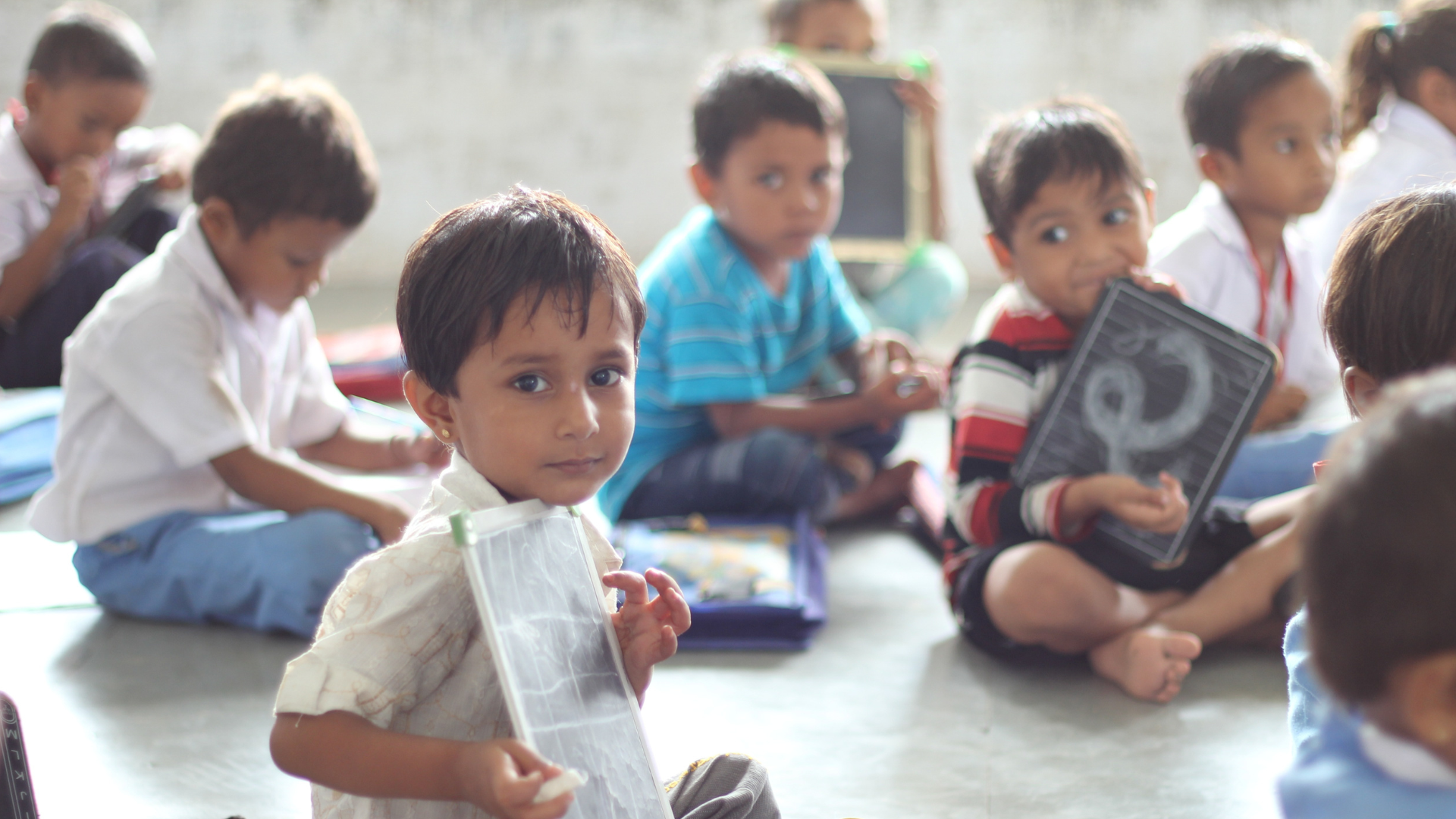
While Mizoram’s accomplishment is a major milestone, it also highlights the wide disparities in literacy across India (Photo: Canva)
Almost 35 years after Kerala was crowned as the first fully literate state of India by the National Literacy Mission in 1991, with a literacy rate exceeding 90 pc, the southern state has been dethroned at the top by Mizoram, that achieved a literacy rate of 98.2 pc, exceeding that of Kerala, which recorded a rate of 96.2 pc.
According to the Chief Minister of Mizoram, Lalduhoma, Mizoram’s achievement came after the successful implementation of the New India Literacy Programme that identified over 3,000 non-literate individuals across the state, and through the efforts of nearly 300 volunteer teachers, more than half were brought into the learning system.
While Mizoram’s accomplishment is a major milestone, it also highlights the wide disparities in literacy across India. The country’s overall literacy rate, based on the National Statistical Office’s (NSO) most recent Periodic Labour Force Survey, stands at 77.7 pc. However, the picture changes considerably when one looks at individual states and union territories.
India’s literacy map
Kerala has long been a front-runner in education. It currently reports a literacy rate of 96.2 pc, maintaining its position amongst the best performers due to consistent investment in public education, strong social indicators and widespread female literacy. The state also shows one of the smallest gender gaps in literacy across the country.
According to the 2011 Census, Lakshadweep, perhaps due to its small population, also performs strongly with a literacy rate of 91.8 pc, while Goa stands at 88.70 pc. These high-performing territories benefit from better school infrastructure, higher enrolment ratios and effective governance.
On the other hand, many states remain at the bottom of the list, including Bihar with a literacy rate of 61.8 pc. Other low-performing states include Andhra Pradesh at 67 pc, Rajasthan at 66.1 pc and Jharkhand at 66.4 pc. These states face a combination of factors that hamper literacy, such as poverty, teacher shortages, irregular school attendance and in some cases, linguistic diversity that complicates education delivery.
Uttar Pradesh, India’s most populous state, has a literacy rate of 67.7 pc, below the national average. Madhya Pradesh in central India, stands at 69.3 pc, while Chhattisgarh records 70.03 pc. These large states struggle with significant urban-rural divides and many rural areas still lack access to secondary education facilities.
Meanwhile, the north-eastern region, like Mizoram, shows a relatively high literacy rate. Tripura boasts a literacy rate of 88.80 pc, meanwhile Sikkim stands at 82.20 pc. These states have seen improved performance due to focused efforts on primary education and greater community participation.
Tamil Nadu boasts a literacy rate of 87.2 pc, while Maharashtra stands at 82.3 pc and West Bengal at 76.3 pc. These states also fare better than the national average, largely due to improved enrollment and school retention rates over the past two decades.
Gender disparity
While the country’s overall literacy rate stands at 77.7 pc, gender equality in education is still a far cry as male literacy in India stands at 84.7 pc and female at 70.3 pc.
Some states have made steady progress in narrowing this gap. In Kerala, for instance, female literacy rate in the state is 92.07 pc, only slightly below the male rate of 96.02 pc. Mizoram and Lakshadweep also show encouraging trends, with relatively small differences between male and female. In Lakshadweep, the female rate is 87.9 pc compared to a male rate of 95.56 pc.
However, many other states continue to struggle with significant gender gaps. Rajasthan reports one of the widest disparities, with male literacy at 79.2 pc and female literacy at just 52.1 pc. Bihar also shows a sharp difference, with male literacy at 71.2 pc and female literacy at 51.5 pc. Uttar Pradesh and Madhya Pradesh follow similar patterns, where the gap between male and female literacy remains around 15 to 18 percentage points.
These disparities are often more evident in rural areas, where traditional gender roles, early marriages and limited access to schools hinder girls’ education. Data shows that in rural India, female literacy is significantly lower than in urban areas. In contrast, urban regions offer better access to schools, infrastructure and support systems, leading to higher literacy levels for both genders.
While India has made progress, the disparities between states remain wide. Improving infrastructure, ensuring teacher availability, supporting girl child education and adult literacy programmes are essential in states lagging behind.
