
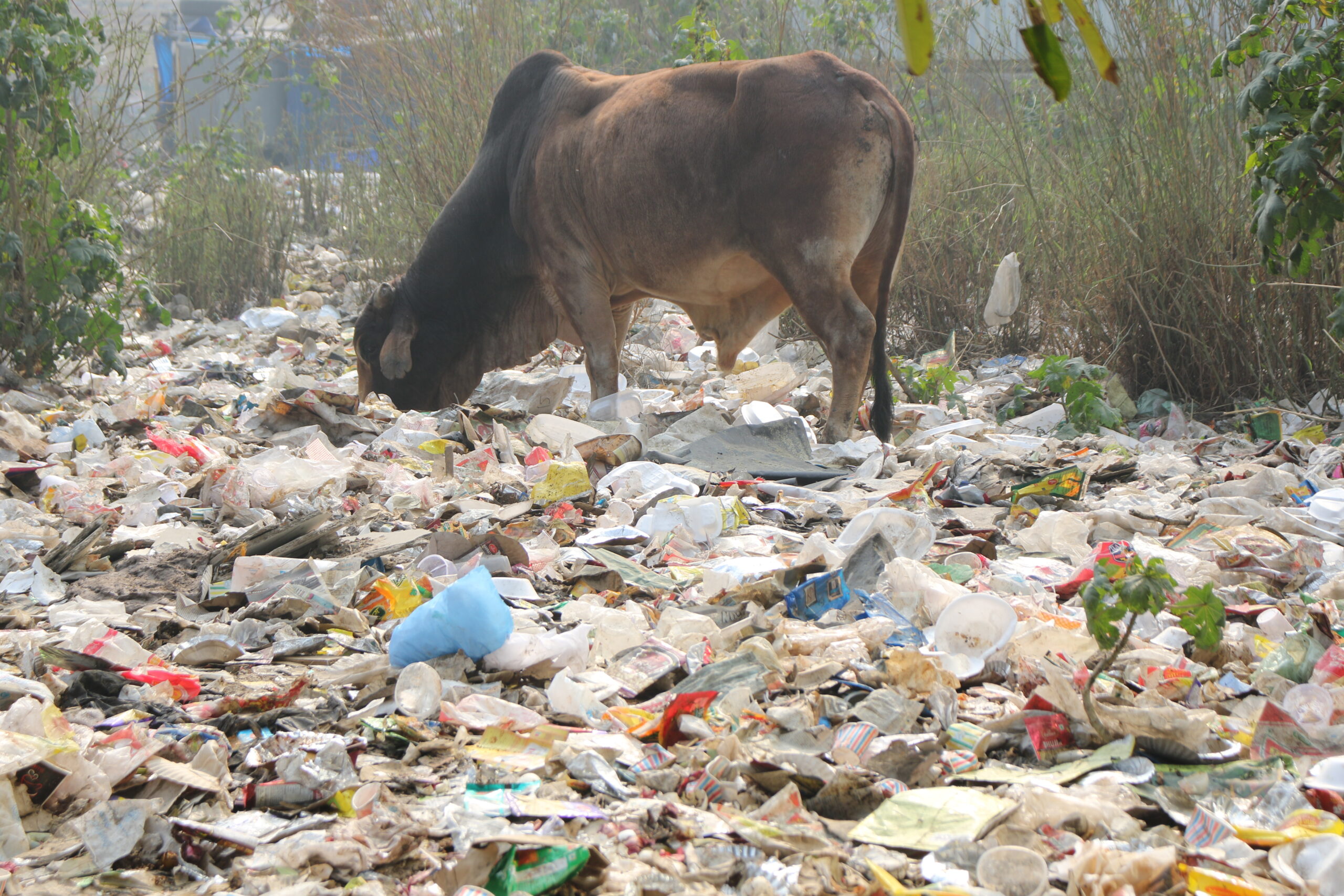
Plastic pollution is severely damaging India’s rivers and freshwater systems
A 2024 study published in Nature, a scientific journal, revealed that India is now the world’s largest plastic waste producer, accounting for nearly 20 pc of the global total.
According to the study, India generates approximately 9.3 million tonnes of plastic waste annually, more than any other nation, including China and the United States, which had long been the largest contributors to global plastic waste.
The issue takes centre-stage on June 5 as the world observes World Environment Day 2025 with the theme Ending Global Plastic Pollution, India finds itself at the centre of a worsening environmental crisis.
This crisis is the result of rapid urbanisation, industrial growth and a surge in consumption driven by the expanding middle class. While India’s per capita plastic usage remains relatively low at 0.12 kg per day, the overall volume of waste is overwhelming. In urban areas alone, more than 6,500 tonnes of plastic waste are generated daily. According to a 2022, report by Centre for Science and Environment, a leading environmental research organisation, Delhi contributes the most, with around 690 tonnes each day.
The most alarming aspect of India’s plastic crisis is what cannot be easily seen. Micro plastics, which are plastic particles smaller than 5 millimetres, have now permeated almost every ecosystem across the whole system.
Micro plastic: Invisible but omnipresent poison
A 2025 report by Swiss non-profit EA Earth Action showed that as many as 217 countries would have released 3.15 million tonnes of micro plastics into the world’s waterways by the end of 2024.
Among these, China, India, the United States and Japan will account for 51 pc of the volume. The report said India will release 391,879 tonnes of micro plastics and will be the second leading polluter of the water bodies after China, with 787,069 tonnes, in the world.
Numerous studies have also detected micro plastics in 100 pc of sampled coastal waters in India. These tiny particles are making their way into drinking water, soil and food systems.
This has direct consequences for human health. Micro plastics have been found in salt, honey, fruits, vegetables, bottled water, and even in human blood and placenta. While research is still emerging, micro plastics are believed to interfere with hormone regulation, respiratory function and digestive health.
In India’s urban slums and industrial areas, where plastic is often burned or left to rot, exposure to plastic toxins is particularly high, impacting marginalised communities the most.
Plastic pollution is also severely damaging India’s rivers and freshwater systems.
Grave threat to India’s water bodies
The Ganga River, considered sacred by millions, is one of the 10 most plastic-polluted rivers in the world. It is estimated to carry about 170,000 tonnes of plastic waste into the Bay of Bengal every year.
In West Bengal, riverbeds in districts such as North 24 Parganas and Howrah, in the gigantic delta of Ganga-Brahmaputra river systems, are now choked with plastic, affecting water quality and threatening freshwater biodiversity.
Fish and aquatic animals in these rivers are consuming plastic particles, which then travel up the food chain. Communities depending on these water bodies for drinking water and fishing livelihoods face increased health risks and reduced income due to declining fish populations.
In India’s coastal zones, the impact of plastic is already visible. A 2021 report by the National Centre for Coastal Research revealed that 90 pc of waste found on Indian beaches is plastic, including bottles, caps and polystyrene products.
Marine species, including turtles, dolphins, seabirds and even corals, are being affected by plastic waste. Over 700 marine species are known to suffer from ingestion or entanglement in plastic. In the Gulf of Mannar, plastic bags and debris are depriving coral reefs of sunlight, affecting around 8 pc of reef systems.
The Sundarbans, the world’s largest mangrove forest and a UNESCO World Heritage Site, receives nearly 40,000 tonnes of plastic waste each year from nearby cities. This waste clogs tidal streams, disrupts fish and shrimp breeding, and has caused a 15 pc decline in local fisheries. With rising sea levels and increased storm surges already threatening the region, plastic pollution compounds the risk to both biodiversity and local livelihoods.
Plastic is no longer just an urban issue. It is penetrating India’s forests as well. Animals such as Asian elephants have been found foraging in open dumps on forest fringes, ingesting plastic waste. In Tamil Nadu and Odisha, autopsies on elephants have found several kilos of plastic inside their stomachs. Migratory birds, including the Black-faced Spoonbill and the Osprey, have been observed building nests with plastic waste, leading to injuries and even deaths of their chicks.
Even in protected areas, plastic bottles, wrappers, and bags litter the landscape, especially near tourist trails. The ingestion of plastic by herbivores like deer and cattle also poses a risk to predators such as tigers and leopards, who hunt these animals.
Recycling: Progress or illusion?
While the Indian government claims that 60 pc of the plastic waste is recycled, independent analyses suggest only about 12 pc is effectively recycled through mechanical processes. Another 20 pc is repurposed through co-processing or road construction. The rest, a staggering 68 pc is unaccounted for, ending up in landfills, rivers, oceans, or burnt in open areas.
On paper, India has taken steps, notably through the Plastic Waste Management Rules (2016) and subsequent amendments, to control the spread of plastic. The Extended Producer Responsibility (EPR) framework legally binds companies to manage the end-of-life of their plastic products. New rules introduced in 2024 attempt to regulate biodegradable plastics and control micro plastic pollution. However, the enforcement of these rules remains poor and official bodies charged with monitoring their implementation remain under-resourced, particularly at the municipal level.
But addressing India’s plastic problem requires more than regulation. It demands a cultural and economic shift. Consumer habits must change, industries must be held accountable and communities must be empowered with alternatives.
Public awareness is increasing, but it must be matched with accessible infrastructure for waste segregation and recycling.
