

The lush greenery and scenic views reflect the charm of Chikkamagaluru (Photos: India and You)
Nestled in the lush green hills of the Western Ghats in the south-western state of Karnataka, approximately 240 km from Bengaluru, lies Chikkamagaluru, an off-beat destination which is not just a hill station but a town steeped in history.
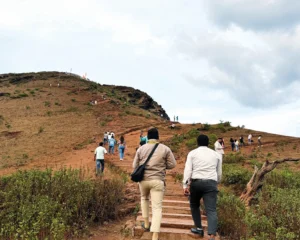
A trekking trail through rolling hills and valleys with breathtaking views
Known as the birthplace of coffee cultivation in India, it is often referred to as the ‘Coffee Capital of India’, a 3-century-old legacy that continues to shape the region today.
With its sprawling coffee plantations, lush landscapes and cool climate, Chikkamagaluru offers a peaceful retreat for those seeking respite from the hustle and bustle of urban life. Its natural beauty is truly its most captivating feature, with rolling hills and valleys providing stunning views at every turn.
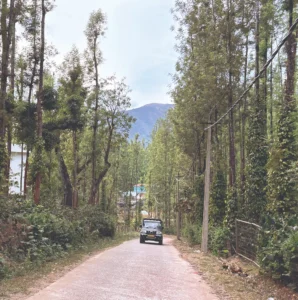
Scenic drive to the peak through sharp hairpin bends and sweeping hill views
In addition to its coffee heritage, one of the town’s most prized attractions is the Mullayanagiri Peak, which stands as the highest point in the state, at around 1,930 m above sea level. The peak offers sweeping panoramic views of the Western Ghats, making it a popular spot for trekkers and nature lovers.
The journey to the peak is an adventure in itself, starting on a scenic road winding through a series of hairpin bends, with breath-taking views of the surrounding hills, draped in hues of green and blue. The ascent to the top feels almost like stepping into a fairy-tale, with the landscape unfolding beautifully as you climb.
Also Read: Karnataka’s hidden treasures: Explore the state’s offbeat villages
The final 2 km of the drive is particularly steep, yet one cannot drive all the way to the top. To reach the summit of Mullayanagiri, visitors must climb approximately 450–500 stone steps from the parking area. The trek and the climb both reward you with an unparalleled view of the sunset and the surrounding landscape, offering a rare chance to experience the region’s stunning beauty from such a height.
A short distance away is Baba Budangiri, a place of both spiritual and historical significance. Revered for its sufi shrine dedicated to Baba Budan, the site is not only a place of pilgrimage but also an area rich in natural beauty. The region is known for its unique rock formations, expansive coffee estates and dense forests.
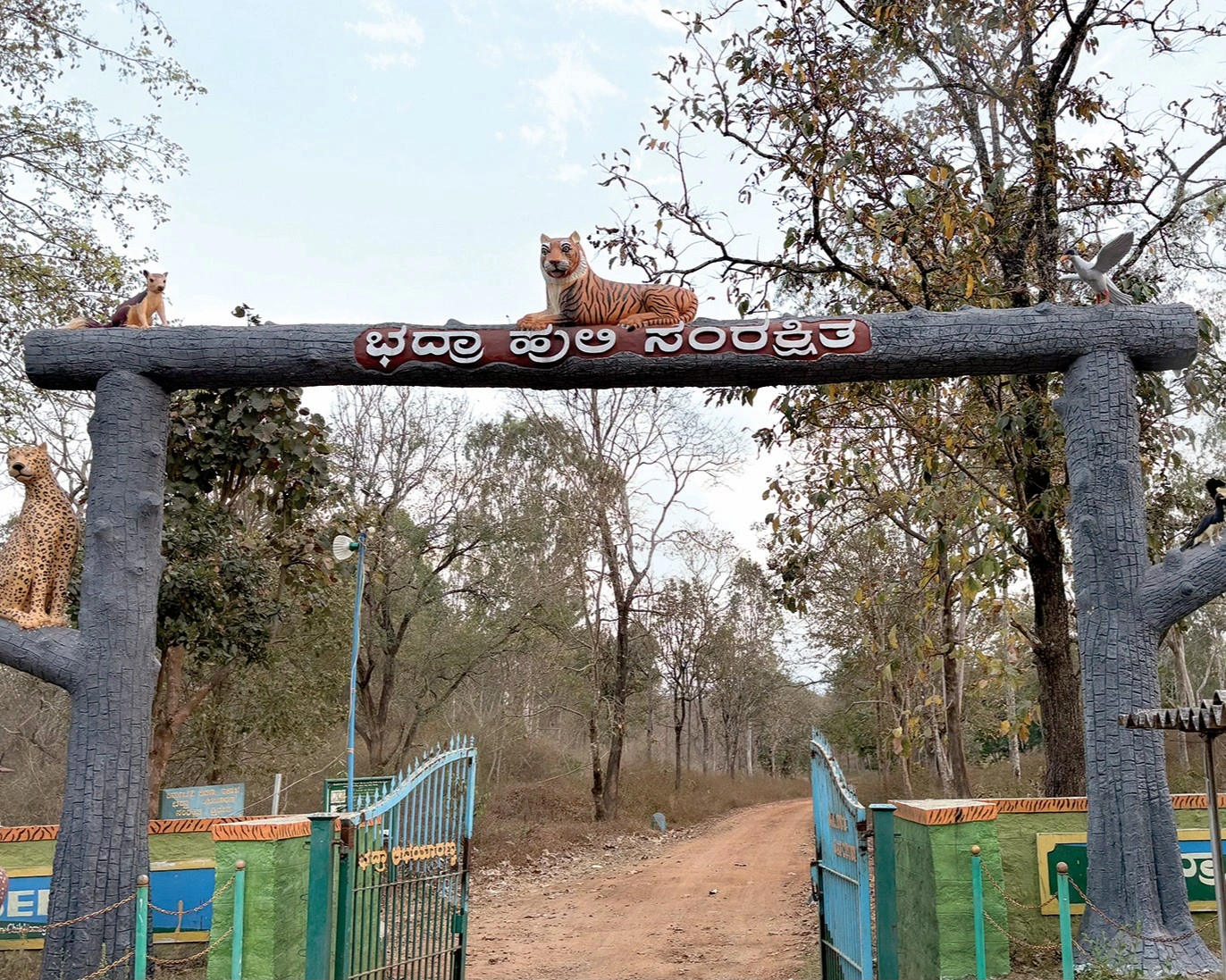
Entry point to Bhadra Tiger Reserve, a popular destination for nature and wildlife enthusiasts
The origins of coffee
Baba Budangiri is also particularly famous for being the place where coffee was introduced to India in the 17th century by Baba Budan, a 17th century monk, who is said to have brought coffee seeds from Yemen.
This contribution has left an indelible mark on Chikkamagaluru, as it is still a hub of coffee cultivation. Here visitors can enjoy learning about the traditional methods of coffee farming.
Many estates and resorts which run plantations offer guided tours where visitors can witness every step of the coffee-making process, from cultivation and harvesting to processing and brewing. A leisurely morning walk through the plantation is not only physically refreshing but also mentally enriching, as it provides a unique opportunity to learn about the fascinating process of coffee production.
Also Read: Chandragutti: Karnataka’s hill town with heritage temples, old-world charm
The first time I went on a tour, I was surprised to discover that coffee begins as a flower. These flowers eventually dry out and transform into coffee cherries, from which the beans are extracted and processed. It was a revelation to see the entire journey of the coffee bean, from its beginnings as a delicate flower to its final transformation into the rich brew we all enjoy.
Another aspect that intrigued me was learning how farmers use older coffee plants as a protective shield for younger saplings, sheltering them from harsh weather conditions and animals.
The town’s coffee estates are a major attraction for coffee enthusiasts, and no trip to Chikkamagaluru would be complete without exploring these plantations.
Bhadra Wildlife Sanctuary
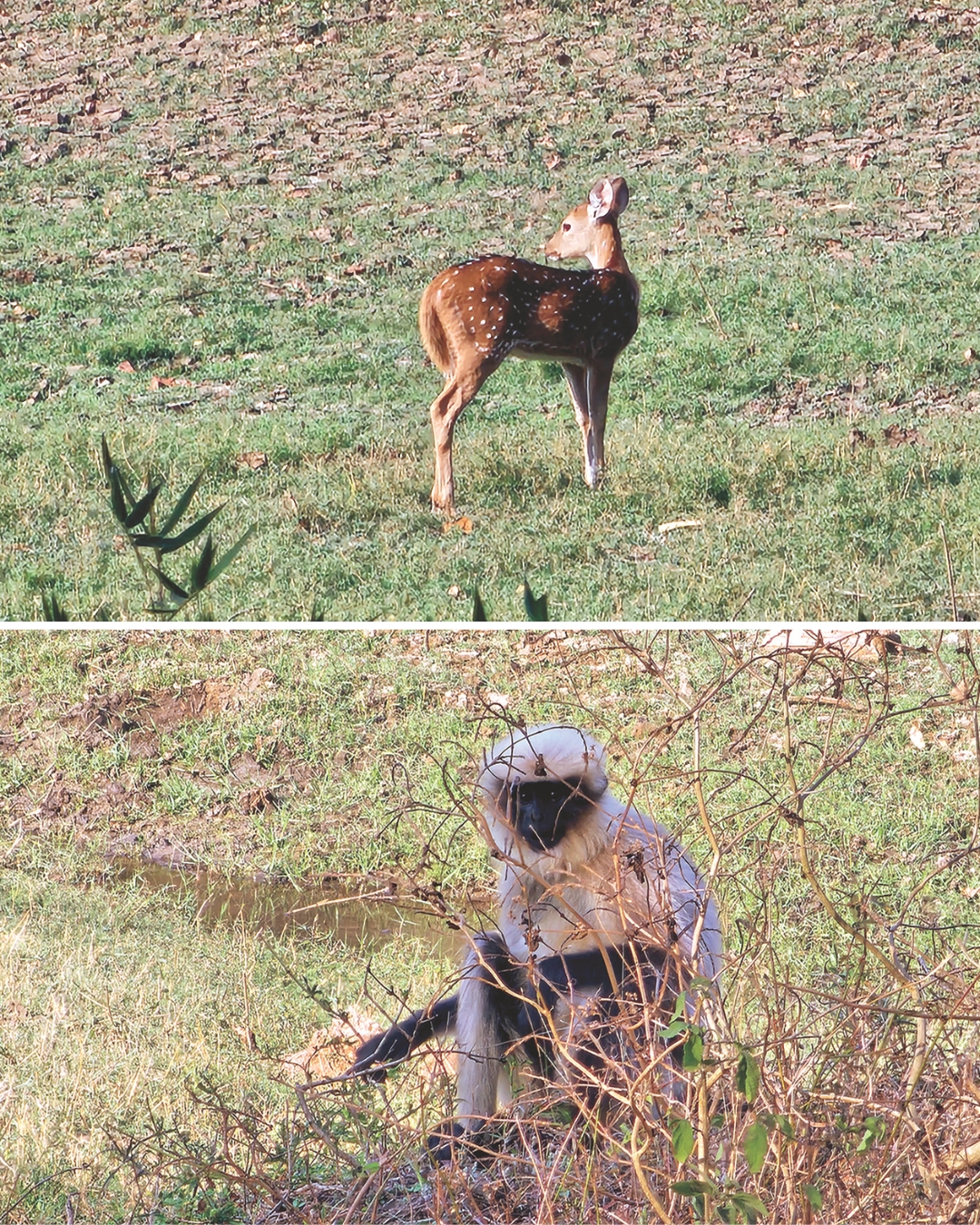
A glimpse of Bhadra’s rich biodiversity in its natural habitat
But Chikkamagaluru is more than coffee and a short drive from Chikkamagaluru is the Bhadra Wildlife Sanctuary, a haven for wildlife lovers. The sanctuary is home to numerous species, including elephants, tigers and a vast array of birds. Visitors can take jeep safaris or enjoy a boat ride on the Bhadra River, both of which provide a closer look at the region’s rich wildlife.
While the sanctuary’s lush forests, rivers, and hills make it an essential destination, the true highlight of the visit was the River Tern Lodge. Nestled in the heart of nature, the property is situated near the Bhadra Dam and offers a serene retreat. The beautiful and spacious cottages are surrounded by trees and water, each with a balcony that provides breath-taking views of the Bhadra River, a tributary of the Tungabhadra River, one of the largest rivers in peninsular India.
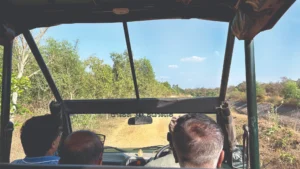
Visitors can explore the Bhadra Wildlife Sanctuary on an exciting jeep safari
Our cottage offered a direct view of an island known to be home to River Terns, migratory birds that breed there during summer. Every morning, we awoke to the melodious chirping of thousands of birds and were treated to stunning visuals from our balcony. It was a truly unforgettable experience, surrounded by nature’s beauty in every direction.
In addition to these attractions, Chikkamagaluru is also known for its Jhari Waterfalls, often referred to as the ‘Buttermilk Falls’ due to the milky appearance of the water. Located at a short distance from the town, the falls are particularly stunning during the monsoon months when they are in full flow.
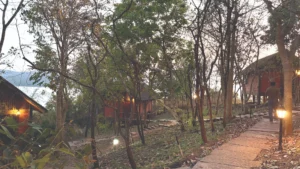
Visitors can unwind in spacious cottages set amid lush greenery near Bhadra Dam
Hebbe Falls is another stunning and peaceful escapade located about 10 km from the town. The two-tiered waterfall are set amidst dense forests surrounded by lush greenery.
In addition to the Bhadra Wildlife Santuary, wildlife and nature enthusiasts can also head to the Kudremukh National Park, a protected area known for its rich biodiversity located about 100 km from the town. The park is home to a wide variety of wildlife, including tigers, leopards and the endangered lion-tailed macaque. It is also a popular destination for trekkers, offering several scenic trails, including one that leads to the Kudremukh Peak.
For those with a spiritual inclination, the town of Dharmasthala, located around 75 km from Chikkamagaluru, offers a tranquil and culturally rich experience. Dharmasthala is home to an 800-year-old temple dedicated to Lord Manjunatha, attracting pilgrims from across India.
Chikkamagaluru is a destination that offers a perfect blend of natural beauty, cultural heritage and adventure. Whether exploring the hills, learning about coffee cultivation, embarking on a wildlife safari, or simply relaxing by a waterfall, this charming hill station promises an unforgettable experience.
