
Childhood obesity set to surge by 2050, reigniting India’s sugar tax debate
Lancet study warns of record obesity levels among children worldwide
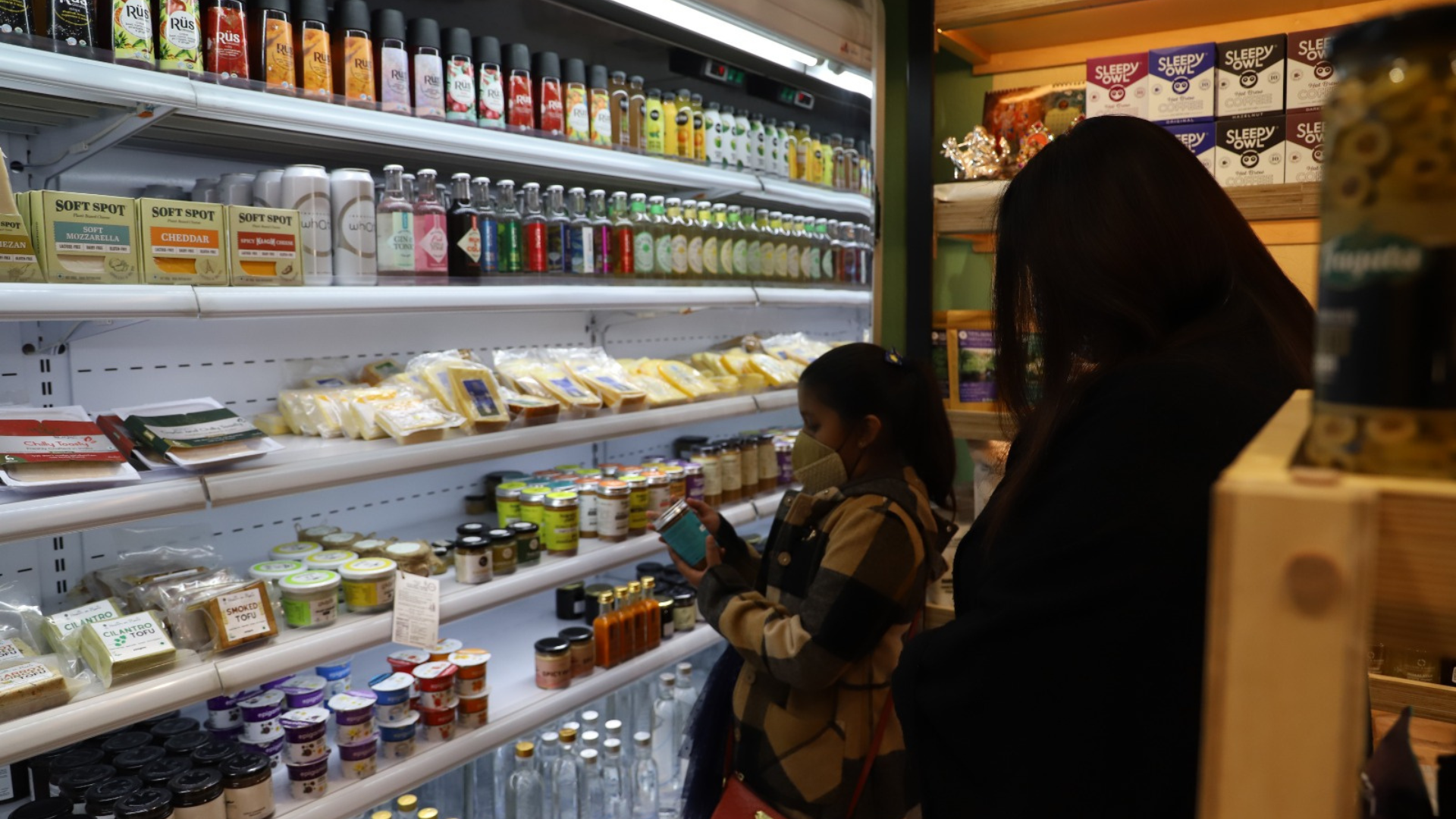
India will be among the countries with the largest numbers of overweight or obese adolescents (Photo: Aman Kanojiya)
A recent study by Lancet has warned that global childhood obesity could reach record levels by 2050, reviving global debate over sugar taxes as governments weigh fiscal tools to curb unhealthy diets and rising metabolic diseases.
India will be among the countries with the largest numbers of overweight or obese adolescents (Photo: Aman Kanojiya)
The global health community is bracing for a collision with one of the most intractable public health challenges of the 21st century, childhood obesity. A study published in Lancet, a reputed medical journal, drawing on data from the Global Burden of Disease (GBD) framework predicts a sharp escalation in obesity among children and adolescents by 2050, warning that current trajectories could saddle future generations with a lifelong burden of chronic illness.
The study projects that by 2050 nearly one‑third of the world’s children and adolescents could be overweight or obese unless urgent action is taken. Globally, the number of children and young people living with overweight or obesity is forecast to rise to 746 million by mid‑century, with an especially sharp increase in the prevalence of obesity itself.
These global projections hold particular significance for India, which already shoulders a large share of the world’s obesity burden. In 2021, India was among just eight countries accounting for more than half of the world’s adults living with overweight or obesity, with an estimated 180 million adults affected. By 2050, this number could swell to around 450 million, placing India among the nations with the highest absolute numbers of overweight and obese adults.
Also Read: India’s tax cuts: Structural inefficiencies temper expected benefits
The study also highlights troubling increases of obesity among India’s youth. Estimates suggest that by 2050, India will be among the countries with the largest numbers of overweight or obese adolescents and young people aged 15 to 24, and it will rank near the top for those aged 5 to14.
Childhood obesity is more than a statistical trend; it foreshadows a future expanded burden of chronic disease. Excess weight in young people is associated with higher lifetime risks of Type 2 diabetes, cardiovascular disease, fatty liver disease and psychological stress, making the problem both a health and socioeconomic concern for low‑ and middle‑income countries like India.
At the same time, India’s lax policy response has sparked debate. One prominent tool under discussion is the sugar tax, a fiscal measure intended to reduce consumption of sugar‑sweetened beverages (SSBs) by making them more expensive. The GST Council in India raised the tax on sweetened and carbonated beverages to 40 pc, grouping them with “sin goods” such as tobacco and alcohol. Yet many traditional sugary foods such as sweets, confectionery and packaged breakfast cereals continue to attract much lower tax rates, despite contributing significant added sugar to children’s diets.
Public health experts warn that limiting taxation to beverages alone without addressing sugar in foods could blunt the impact of fiscal policy on obesity. A recent World Health Organisation analysis notes that sugary drinks are often the largest supplier of “hidden sugar” in children’s diets, but a significant share of added sugar actually comes from food products that remain untaxed.
Also Read: Fat tax introduced in Kerala
“Sugary drinks are often the largest supplier of hidden sugar in children’s diets. These policies have become important drivers to persuade manufacturers to change to contain the escalating cases of non-communicable diseases,” Dr Abhishek Sethi, a paediatrician in Delhi, tells Media India Group.
This perspective reflects growing calls among health advocates for a broader health tax that encompasses ultra‑processed foods high in sugar, salt and unhealthy fats. Modelling studies in India show that even modest SSB taxes such as a 20 pc levy could potentially prevent over 11 million cases of overweight or obesity and avert hundreds of thousands of type 2 diabetes cases over a decade. These results underscore the potential for tax policy to shape dietary behaviour, particularly in rural populations where obesity rates are rising.
Industry voices, however, argue for refining the tax structure rather than expanding its scope. The Indian Beverage Association has called for sliding tax slabs based on sugar content, asserting that the current flat rate makes low‑ or no‑sugar options no more affordable than high‑sugar drinks. Proponents of this approach contend it could incentivise reformulation and encourage healthier products without disproportionately burdening consumers.
Yet public health specialists caution that the primary aim of fiscal measures should be health outcomes, not simply affordability.
Beyond taxation, experts emphasise that a comprehensive strategy must include clear food labelling, restrictions on marketing to children, school nutrition programmes and public awareness campaigns to change consumption patterns more broadly.
While policymakers and health experts debate the contours of India’s sugar tax, parents are increasingly grappling with the consequences of high-sugar diets on their children. Many acknowledge the problem but admit that awareness of hidden sugars in foods remains limited.
Also Read: A Battle of Bottles : From Sugary Sodas to Healthier Options
“I always thought juice boxes and breakfast cereals were harmless, but recently I realised they pack as much sugar as soft drinks. As a parent, I strongly believe India needs a sugar tax. Less sugar should mean less tax, and more sugar should mean higher tax. When sugary foods and drinks become cheaper and more accessible, it’s our children who pay the price with their health,” Pratity Lugun, a parent of 7- year-old old kid in Chhatarpur Delhi tells Media India Group.
Yet, not all parents are equally informed or supportive. Some worry that higher taxes might make healthy options unaffordable for families on tight budgets. Others are unsure whether a tax alone can change their children’s eating habits without wider education on nutrition. Surveys suggest that while most parents express concern about obesity and sugar consumption, a significant proportion underestimate the sugar content in packaged foods and beverages their children consume daily.