
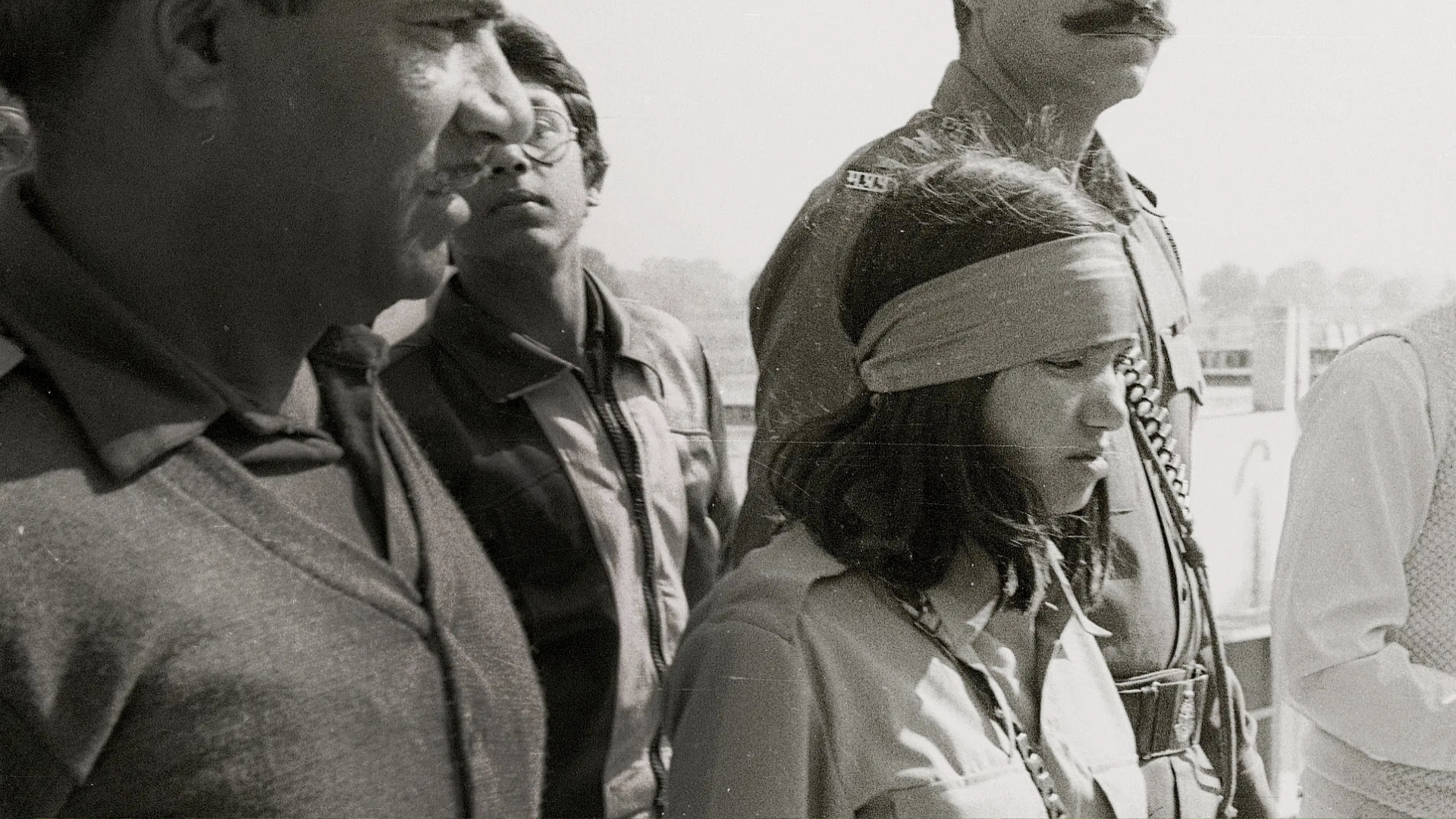
Phoolan Devi was born on August 10, 1963 in a poor Mallah, a boatman family, Gorha Ka Purwa, Jalaun, Uttar Pradesh
On 25 July 2001, Phoolan Devi was shot dead outside her official residence on Ashoka Road in New Delhi. She had just returned home from Parliament when three masked gunmen opened fire. She died instantly. The main accused, Sher Singh Rana, later claimed the murder was carried out as revenge for the Behmai massacre of 1981.
Phoolan Devi’s life story is one of suffering, resistance and transformation, from a child bride and bandit to a Member of Parliament.
Early life and marriage
Phoolan Devi was born on August 10, 1963 in a poor Mallah, a boatman family, Gorha Ka Purwa, Jalaun, located about 17 km from Lucknow, in Uttar Pradesh. She grew up facing both caste discrimination and poverty. Life was difficult and opportunities for education or freedom were limited.
At the age of 11, she was married to a man in his 30s. The marriage was abusive, both physically and sexually. When she tried to leave him, her own community turned against her, blaming her instead of supporting her.
Kidnapped by dacoits
In her early teens, Phoolan Devi was kidnapped by a gang of dacoits, armed bandits who operated in the ravines of central India. While she was taken by force at first, she eventually became part of the gang. She developed a close bond with Vikram Mallah, one of the gang leaders, who treated her with more respect than she had known before. Their relationship ended when Mallah was killed in August 1980 by rival upper-caste Thakur gang members.
Phoolan was then captured by the same group and taken to the village of Behmai, where she was held and repeatedly raped over several weeks.
The Behmai massacre
On February 14, 1981, Phoolan Devi led a revenge attack on Behmai. During the raid, 22 Thakur men were lined up and shot dead. The massacre shocked the country and led to one of India’s biggest police manhunts. She became widely known in the media as the “Bandit Queen.”
Surrender and imprisonment
On 13, 1983, Phoolan Devi surrendered to the police in Madhya Pradesh. She did so on certain conditions that she would not be sentenced to death and her fellow gang members would be treated fairly.
Despite this, she spent the next 11 years in prison without trial. During this time, she suffered poor health and lived in harsh conditions.
She was finally released on February 19, 1994, following political pressure and growing public sympathy for her as a victim of injustice.
A new chapter in politics
After her release, Phoolan Devi joined the Samajwadi Party, which supported the rights of lower-caste and marginalised communities. In 1996, she was elected as a Member of Parliament from Mirzapur in Uttar Pradesh.
As an MP, she focused on issues like caste discrimination, poverty and women’s rights. Her political journey was not without controversy, but she used her platform to speak up for people who had no voice in the system.
Decades after her death, Phoolan Devi remains a symbol of survival and resistance. To some, she was a criminal. To others, she was a woman who fought back against a deeply unjust system. Her story continues to spark debate on caste, gender, violence and justice in India.
