
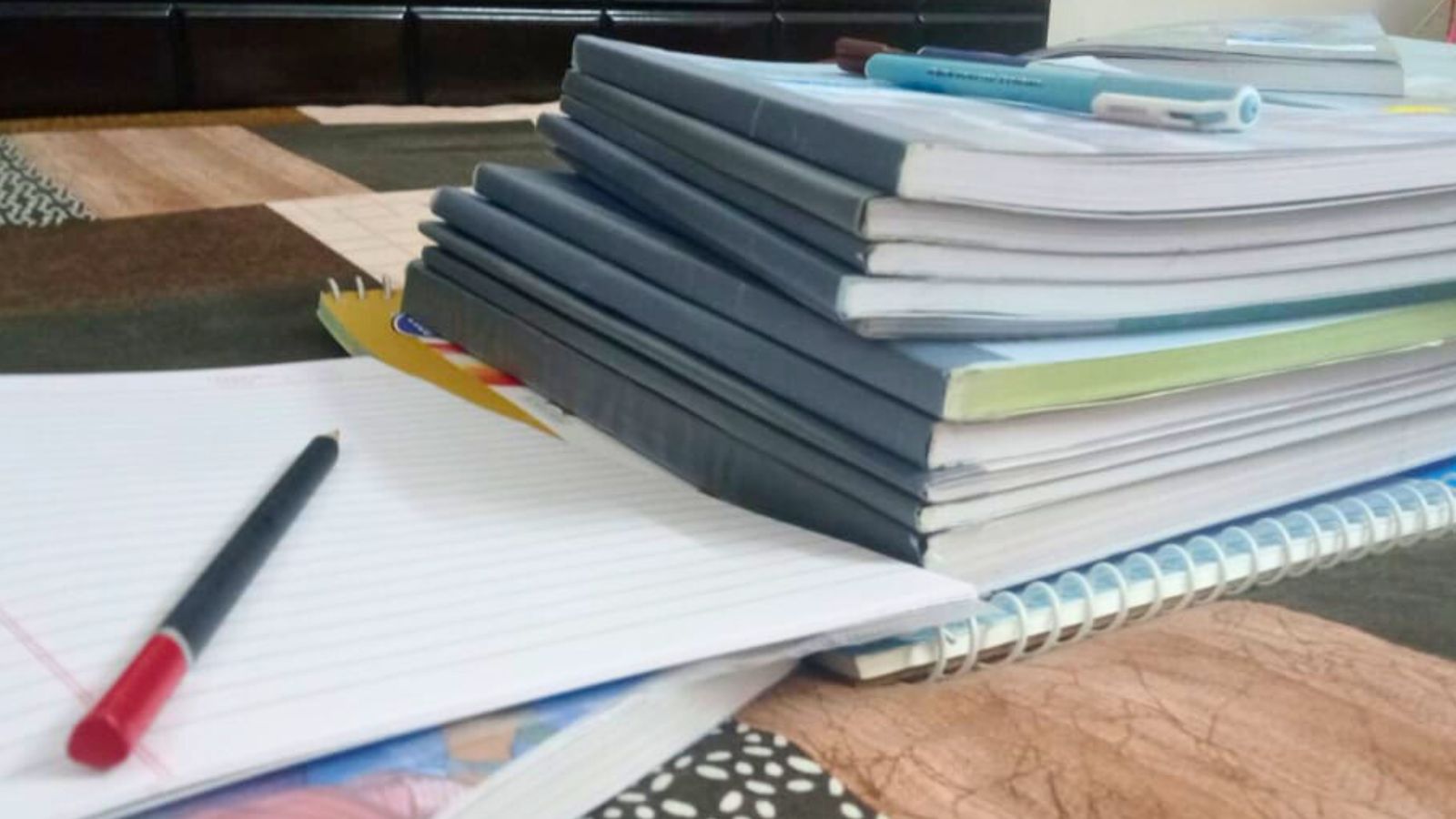
Schools sell privately published books at much higher costs than the more reasonably priced books
Textbook prices are skyrocketing, leaving parents reeling from an expanding crisis in India’s private education sector. A video that went viral recently brought attention to the issue by showing how expensive textbooks are in many private schools. Parents are complaining that they are compelled to buy these pricey books, frequently from particular sellers, which they see as blatant profiteering at the expense of education.
Given that the textbooks can cost anywhere from INR 5000 to Rs 6000 for a single set for Class 5 students, a lawyer from Bhopal mockingly asks in the video if they were “made of silver”. Many parents who believe that private schools are putting financial gain ahead of students’ needs will agree with this statement. The situation is made worse by the these schools mandating that parents purchase books and other resources from approved vendors, which reduces the number of more reasonably priced options.
“Yes, schools do overcharge for the book sets, and it is increasing each passing year. The books which are provided as side textbooks or reference books apart from main books are hardly used in the school by the teachers. These sets, which cost us approximately around INR 8,000 per set, disturb the budget of most of the families,” Pratibha Wadhwa, a teacher working in a school in New Delhi, tells Media India Group.
Overpricing remains a problem despite the New Education Policy’s (NEP) stated mandated to standardise textbooks and curricular nationwide. Rather, some schools still sell privately published books at much higher costs than the more reasonably priced books published by the National Council of Educational Research and Training (NCERT), the government body mandated with setting curriculums and supervising books for students across India.
“I believe our hard-earned money is used for the books which the school recommends from private vendors, which can be just half the amount if the school used NCERT books, which are good enough and cover the complete syllabus. The private schools are always putting profit ahead of education, be it for books or the monthly fee which they charge under various heads adding up to their own profit, looking hard for the development and growth of the students and benefits of parents that are far looked upon,” says Wadhwa.
Parents and educators are calling for reforms to make education more affordable and accessible as part of a growing national movement to address this issue. By standardising book prices and weights, the proposed “Fixed Rate, Fixed Weight System” seeks to lessen the financial burden on families and stop schools from manipulating book procurement.
“I think that government organisations and educational institutions should take a number of important actions to address the problem of pricey textbooks. First and foremost, they ought to encourage the use of Open Educational Resources (OERs), which are freely available, openly licensed resources that educators are free to modify and distribute. Furthermore, it is essential to invest in digital textbooks and platforms because they are easily updated and reasonably accessible, eliminating the need for frequent purchases. Finally, offering financial aid or subsidies to low-income families who are having trouble paying for textbooks would guarantee that all students have equal access to educational resources,” says Rekha Tehlan, a 42-year-old homemaker living in Noida, near Delhi.
But as long as the government fails to take action on erring schools and steps in strict regulators, the sight of these text books will continue to bring tears to the eyes of the students and their parents, alike.
