
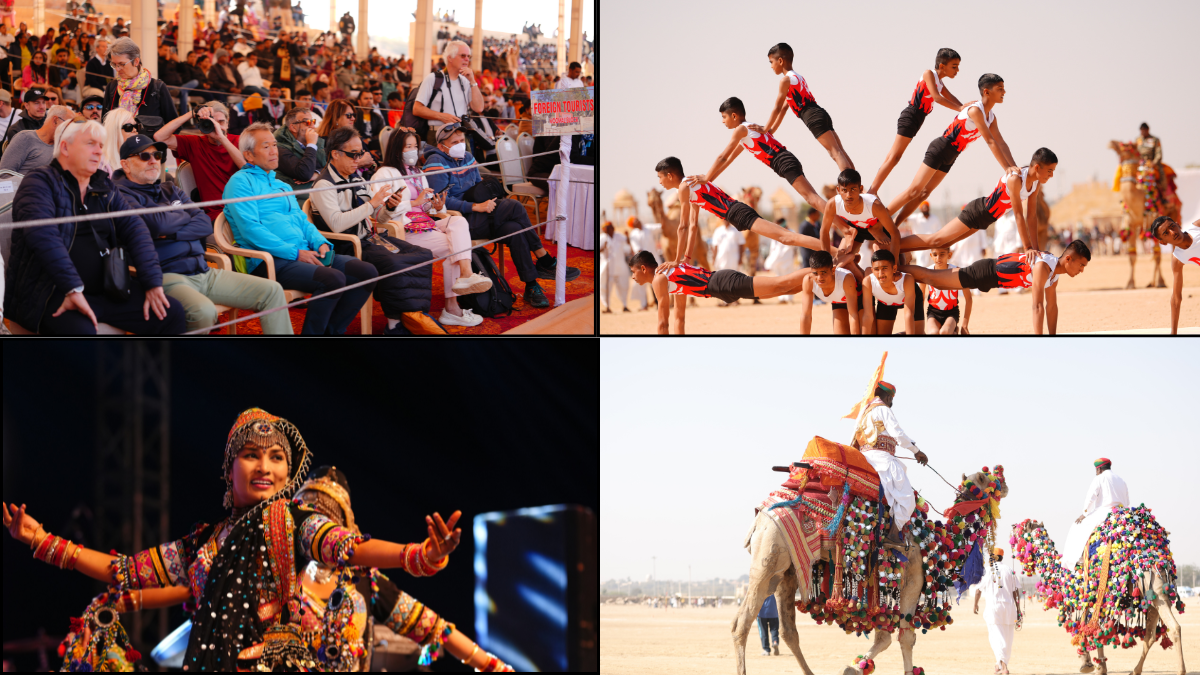
Maru Mahotsav concluded after a four-day programme across Pokaran and Jaisalmer
Spanning four days across Pokaran and Jaisalmer, the 47th Maru Mahotsav has ended with an estimated 30,000 domestic tourists and a notable turnout of foreign visitors.
In a press statement, the organiser, Rajasthan Tourism Department, says that the festival continues to serve as a major fixture in the state’s cultural calendar and a driver of seasonal tourism activity.
The statement adds that the domestic tourists arrived from several states across the country and hotels, desert camps, homestays and resorts reported near-full occupancy. Local markets, handicraft sellers, artists and transport operators saw increased activity during the four days.
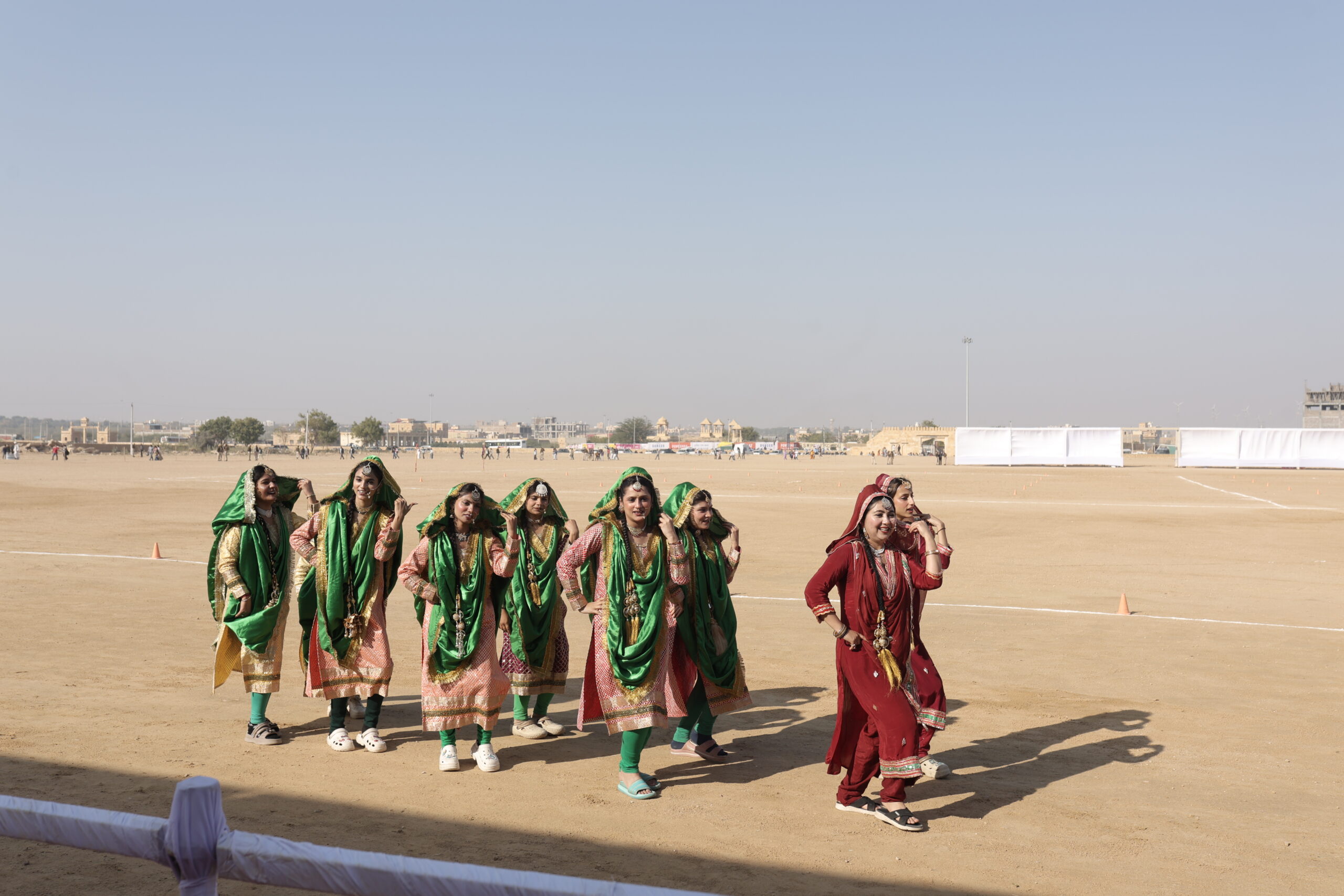
The programme featured folk music and dance
This year’s edition of the festival also recorded a strong international presence. According to the Tourism Department, visitors from Germany, France and the Netherlands were among those attending. Many foreign tourists extended their stay in Jaisalmer during the festival period, with desert performances and camel-based events drawing particular interest.
According to the statement, the 2026 edition began in Pokaran with religious rituals, ceremonial processions and performances by local artists. For the third consecutive year, Pokaran was formally included in the programme, signalling what officials described as a shift from a city-based festival to a regional desert event extending across the Thar.
Also Read: Forts of Rajasthan: Symphony in sandstone
The statement adds that after the opening events in Pokaran, the festival unfolded across multiple venues in Jaisalmer, including Gadisar Lake, Shaheed Poonam Singh Stadium, Dedansar Stadium and the sand dunes of Sam, Lakhamna and Khuri.
The programme featured folk music and dance, camel races, camel decoration contests, camel polo, turban-tying and moustache competitions, rural sports, handicrafts exhibitions and food festivals. Evening cultural performances in the dunes drew large gatherings of visitors from India and abroad.
This year’s festival, officials said, reflected both continuity and expansion, with celebrations opening in Pokaran before moving to Jaisalmer.
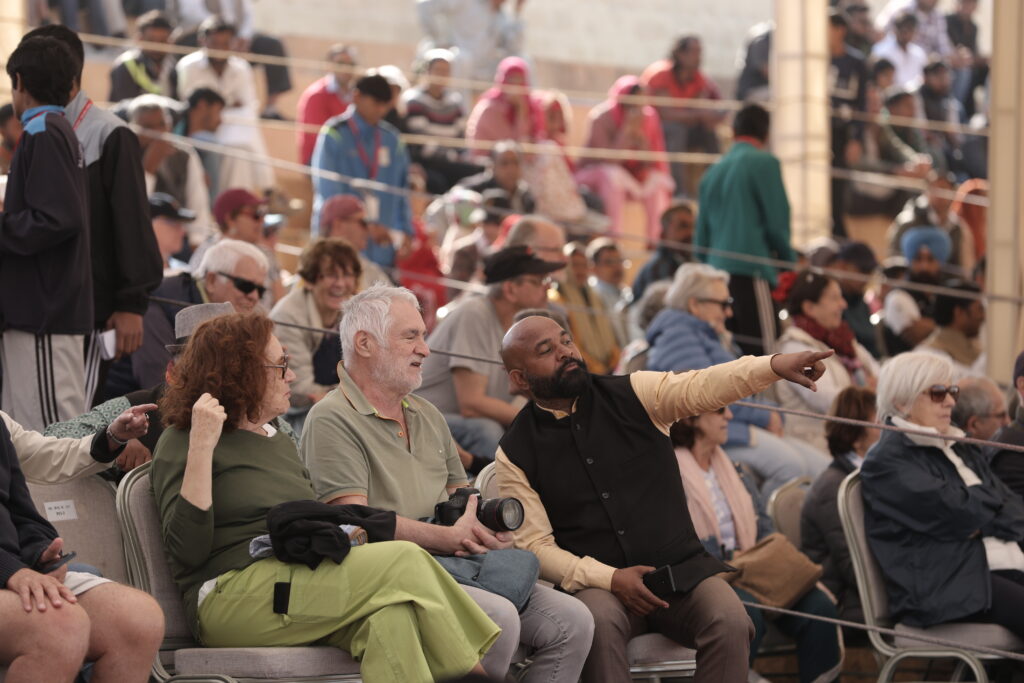
The festival also recorded a strong international presence
Kamleshwar Singh, Assistant Director of Tourism, Jaisalmer, said the inclusion of Pokaran was aimed at extending tourism activity beyond Jaisalmer and bringing regional traditions and rural sports into the main festival framework. He noted that the Maru Mahotsav was launched in 1979 under a state policy to promote desert districts as tourism destinations. Over time, the camel emerged as the central symbol of the festival, with camel races and decorated camel competitions shaping its identity at the national level.
Singh also referred to a significant moment in the festival’s history when it was not held during the Gujarat earthquake, a decision taken in view of national mourning. He said this reflected the administration’s approach to align the event with broader national circumstances.
Also Read: Winter festivals of Rajasthan: Bringing the desert to life
The festival concluded on Magh Purnima with religious observances and final performances. Officials described the event as successful and reaffirmed its status as a flagship tourism initiative of the state.
According to statement over 47 years, the Maru Mahotsav has moved through phases of consolidation and expansion. From its foundation years focused on folk culture and camel decoration to later phases marked by wider participation, media visibility and recent emphasis on sustainable practices, the festival has evolved alongside Rajasthan’s tourism strategy.
According to Rukmani Riar, Commissioner, Rajasthan Tourism the Maru Mahotsav is designed not only as a cultural showcase but as a platform to preserve desert heritage while strengthening domestic and international tourism.
