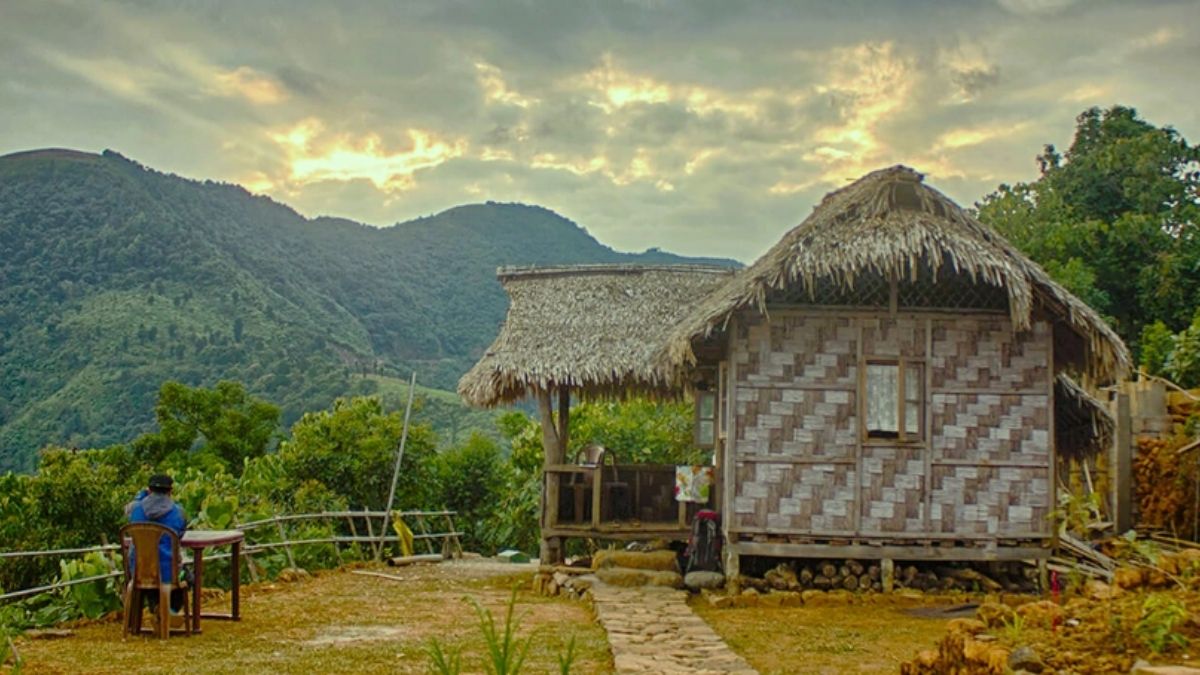
The village has gained international recognition for preserving this rare form of intangible heritage and nature (Photo: Meghalaya Tourism)
Nestled amid the rolling Khasi Hills of Meghalaya, Kongthong, popularly known as the ‘Whistling Village,’ has emerged as one of India’s most distinctive cultural tourism destinations. Here, every resident is identified not by a spoken name but by a unique melody, a centuries-old Khasi tradition that continues to shape everyday life while drawing travellers seeking authentic cultural experiences.
Known locally as Jingrwai Iawbei or the ‘song of the first woman,’ the practice involves every mother composing a distinctive tune for her child shortly after birth. These personalised melodies, inspired by birdsong, flowing streams and the surrounding forests, serve as an individual’s identity throughout life.
While each resident also has a conventional name for official purposes, the musical call remains the preferred form of communication within the village. The whistles can travel across valleys and forests, making them an effective means of calling family members home, communicating across fields and preserving an oral tradition passed down through generations.
Situated about 55 km from Shillong in the East Khasi Hills district, Kongthong is home to around 600-700 residents belonging primarily to the Khasi community. The scenic drive through winding mountain roads, dense forests and panoramic valleys has itself become part of the visitor experience, with the village increasingly featuring on Meghalaya’s cultural and eco-tourism circuit.
Also Read: North-East India’s Natural Treasure: Meghalaya
Kongthong’s whistling tradition is rooted in Khasi identity and harmony with nature
Unlike many cultural practices showcased for tourists, Kongthong’s whistling tradition remains an integral part of daily life. The melodies are not merely names but expressions of identity, ancestry and family bonds, reflecting the Khasi community’s deep connection with nature and oral heritage. Every tune is unique, ensuring no two villagers share the same musical identity, while the tradition continues to be transmitted across generations without written records.
The village has gained international recognition for preserving this rare form of intangible heritage and has been highlighted as a strong contender for UNESCO Intangible Cultural Heritage recognition. Its growing profile has placed Kongthong among Meghalaya’s flagship destinations for responsible and community-based tourism.
Visitors to Kongthong are drawn not only by its unique cultural identity but also by opportunities to experience village life firsthand. Community-run homestays allow travellers to stay with local Khasi families, sample traditional cuisine, hear the stories behind the whistled melodies and gain insights into indigenous customs. Guided village walks introduce visitors to bamboo homes, terraced farms and everyday rural life, while local residents explain how the musical naming system continues to function in modern times.
Also Read: Dawki: A divine discovery in Meghalaya
Adventure, nature and local cuisine complement cultural experience
Beyond its living heritage, Kongthong offers a range of nature-based experiences. The surrounding Khasi Hills provide opportunities for trekking, hiking, birdwatching, photography, camping and forest walks, while nearby attractions such as Laitlum Canyon, Mawphlang Sacred Forest, Sohra (Cherrapunji), the Living Root Bridges and Mawlynnong allow visitors to combine cultural exploration with adventure tourism across Meghalaya.
Traditional Khasi cuisine forms another important part of the visitor experience. Popular dishes include Jadoh, a rice preparation cooked with pork, Dohneiiong, pork prepared in a rich black sesame gravy, Tungrymbai, a fermented soybean delicacy, Dohkhlieh, a pork salad mixed with onions and chillies and Pukhlein, a sweet fried rice snack. Meals are typically prepared using locally grown vegetables, bamboo shoots, fresh herbs, wild honey and seasonal produce, reflecting the region’s farm-to-table culinary traditions.
Unlike conventional tourist destinations, Kongthong has consciously adopted a community-led tourism model that prioritises cultural preservation over commercialisation. Homestays and guided experiences are largely managed by villagers, ensuring tourism benefits remain within the community while encouraging meaningful cultural exchanges between residents and visitors.
As visitor numbers continue to grow, the community is working to balance tourism with the protection of its centuries-old traditions. Residents advocate responsible tourism practices that respect local customs, limit environmental impact and safeguard the authenticity of the whistling tradition. At the same time, challenges such as youth migration, changing lifestyles and the risk of cultural commodification underline the importance of careful tourism management.