
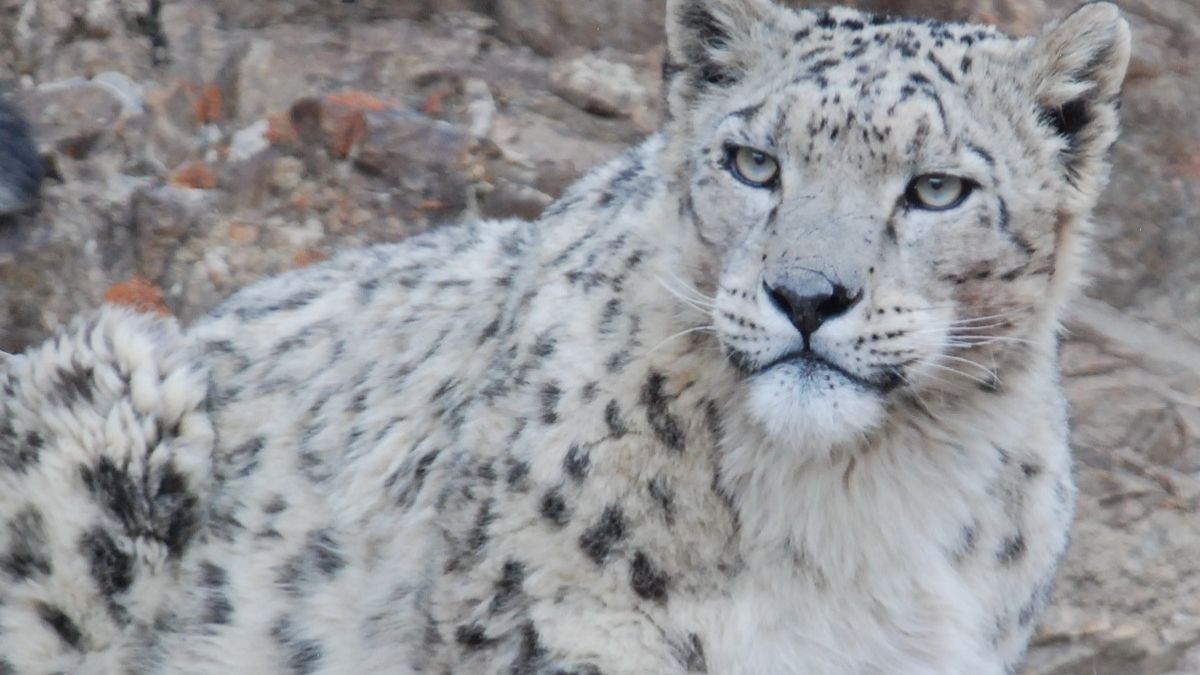
Ladakh is home to India's largest snow leopard population (Photo: Snow Leopard Conservancy India Trust)
Ladakh will introduce India’s first high-altitude wildlife safari, with guided jeep safaris on snow leopard and bird-watching trails, following approval by Vinai Kumar Saxena, Lieutenant Governor of the Union Territory. The initiative combines eco-tourism with community participation, making local residents partners in wildlife conservation and tourism.
In a press statement, the Administration of Union Territory of Ladakh says that the decision was approved during the first governing body meeting of the newly formed Snow Leopard and High-Altitude Nature (SHAN) Conservation Society, chaired by Saxena.
Also Read: We want to make Ladakh a year-round destination
The statement adds that the Forest Department has been directed to introduce guided jeep safaris using specially designed open-back vehicles, similar to those used in national parks such as Kaziranga and Ranthambore. The safaris will be operated by trained local drivers and guides.
The initiative aims to discourage illegal off-roading and reduce disturbance to wildlife while promoting responsible tourism and improving visitor experiences.
The Forest Department will identify safari routes across Hemis National Park, Changthang Wildlife Sanctuary, Karakoram Wildlife Sanctuary, and wildlife-rich areas including Nubra, Zanskar, Sham, Kargil and Drass, which are known for snow leopard sightings and bird diversity, says the statement.
To support bird tourism, 20 local youths will be selected and trained in birdwatching, bird identification and bird-spotting. They will be provided with equipment including binoculars, while 10 bird-watching hides will be developed at key locations.
Ladakh is home to India’s largest snow leopard population, with 477 of the country’s estimated 718 snow leopards. The region also supports more than 38 mammal species, 340 bird species and around 1,800 vascular plant species.
According to statement, the SHAN Society, constituted on June 16, has been tasked with preparing a roadmap for community-led wildlife conservation, waste management, plastic-free tourism, responsible tourism and sustainable livelihood generation across Ladakh.
Also Read: Ladakh records 43 pc rise in June tourist arrivals
The model aims to involve local communities directly in protecting the region’s ecosystem while creating economic opportunities through tourism and conservation-related activities.
“Through SHAN, we are creating a model that integrates wildlife conservation, responsible eco-tourism, environmental education, empowering local communities and creating sustainable livelihoods for them. These efforts aim at conserving Ladakh’s natural heritage so that future generations inherit an ecosystem that is richer, healthier and more resilient. Our vision is to establish Ladakh as a global example of community-led conservation and responsible high-altitude mountain tourism,” says Saxena.
The governing body also approved several conservation and community initiatives. These include installing 300 colour-coded waste bins across 40 villages, procuring portable waste carts, launching a plastic-free tourism campaign and establishing SHAN Wildlife Clubs in 50 government schools with funding of INR 30,000 per school for wildlife education and excursions.
The society will also organise annual wildlife photography fellowships for 10 local youths, install interpretative signages in protected areas, train 50 women artisans to produce wildlife-themed souvenirs and establish souvenir shops across Ladakh.
The Lieutenant Governor directed all concerned departments to complete preparations before the start of this year’s winter snow leopard sighting season, when the new safari programme is expected to begin.
